Description
Hard-Numbers: Technical Specifications
- Output Voltage: 3 V DC .
- Battery Capacity: 1500 mAh (1.5 Ah) / 4.5 Wh – This is 1/10th the capacity of the OEM IC695ACC302’s 15 Ah rating .
- Battery Chemistry: Rechargeable Lithium-ion (Li-ion) .
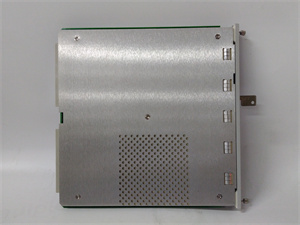
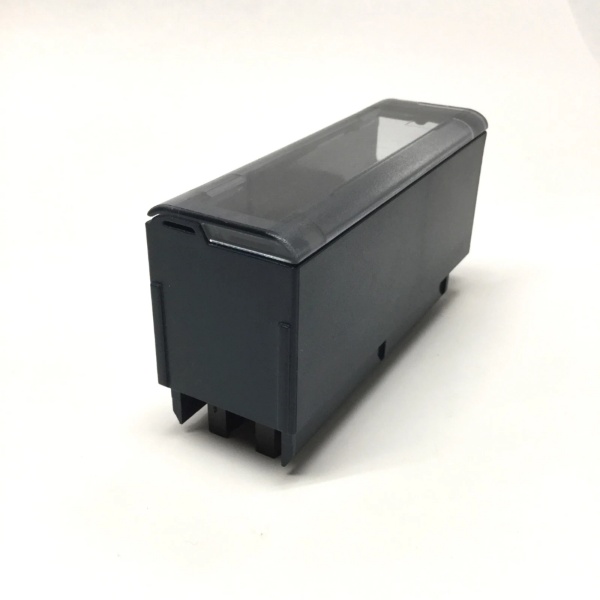
- Physical Dimensions: Similar form factor to OEM module (approx. 5.7″ L x 2.56″ W x 1.57″ H) .
- Connector: 2-pin connector on a 2-foot cable, designed to mate with the CPU’s battery terminals .
- Certifications: May carry CE, RoHS, FCC marks from the third-party manufacturer .
- Warranty: Typically 1 year from the third-party supplier .
- Critical Note: These specs are for the third-party “IC695ACC302-BB” module. The OEM GE module (IC695ACC302-AA/AB) uses a non-rechargeable 15 Ah lithium battery .
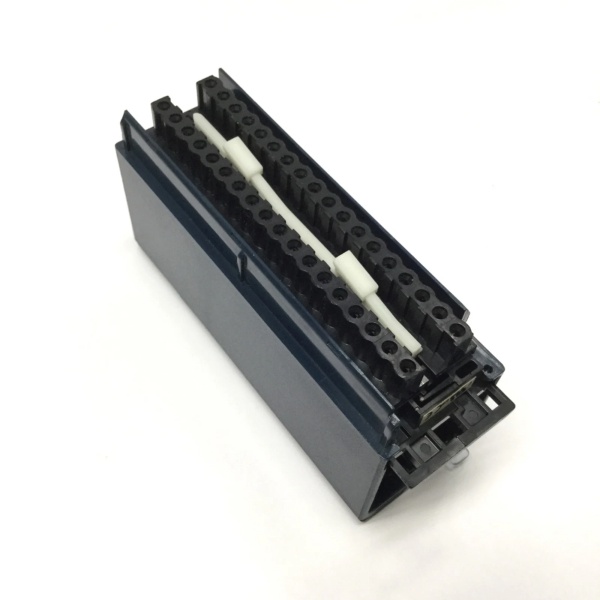
GE IC694TBB032
The Real-World Problem It Solves (And Creates)
This module attempts to solve the high cost of OEM battery replacement. However, its drastically reduced capacity (1.5Ah vs 15Ah) creates a new problem: it may only retain memory for days or weeks during an outage, not the months expected from the OEM part.
Where you’ll typically find it:
- Cost-Conscious Retrofits: In facilities where procurement strictly prioritizes lowest upfront cost over long-term reliability and data retention time.
- Emergency Repairs: As a quick-ship “drop-in” replacement when the OEM part has a long lead time and the system must be powered up immediately.
- Legacy Systems: On older RX3i installations where the original battery has failed and the maintenance budget is limited.
Using this battery is a calculated risk that trades extended data retention for lower initial cost.
Hardware Architecture & Under-the-Hood Logic
The external form and connector mimic the OEM design, but the internal electrical architecture is fundamentally different due to the battery chemistry.
- Power Source: Uses a single or multiple small, rechargeable Li-ion cells wired to provide 3V, contrasted with the OEM’s three larger primary lithium cells .
- Charging Circuit: Likely includes a charging/protection circuit because Li-ion cells require controlled charging. The OEM primary battery has no such circuit.
- CPU Interface: Presents the same 3V output to the CPU’s memory backup rail. However, the smart monitoring communication with the CPU (e.g., “battery good” signal) may not function identically to the OEM module.
- Discharge Profile: A Li-ion battery’s voltage remains relatively flat until nearly depleted, then drops quickly. This can give a false sense of remaining capacity compared to the gradual decline of a primary lithium battery.
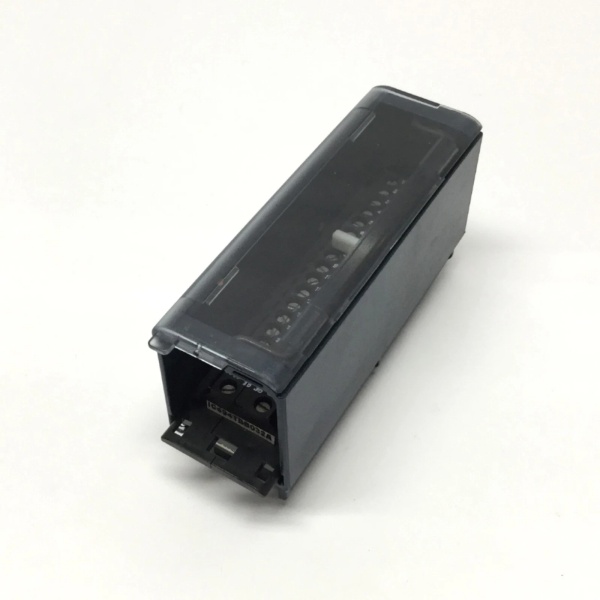
GE IC694TBB032
Field Service Pitfalls: What Rookies Get Wrong
Assuming “Drop-In” Equivalence
The most dangerous assumption is that the -BB suffix is just a minor revision. The 10x difference in capacity is a fundamental performance change that drastically reduces the system’s tolerance for extended power outages .
- Field Rule: Never substitute this for an OEM battery in a critical process without explicit management approval and a revised risk assessment. Document the change on the equipment tag.
Misunderstanding the Chemistry & Lifespan
Techs might treat this like the OEM primary battery, expecting a 7+ year shelf life. Rechargeable Li-ion batteries age based on calendar time and charge cycles, even when idle. Its operational lifespan will be shorter.
- Quick Fix: Implement a more aggressive replacement schedule. If the OEM battery was replaced every 5 years, plan to check this third-party unit every 2-3 years and test its actual capacity under load.
Ignoring the Charging Implications
If the module contains a charging circuit, connecting it to a CPU that provides a charging voltage (some do) might be fine. If it doesn’t have a proper circuit, applying voltage could damage it. The OEM manual’s “power on during installation” rule might not apply.
- Field Rule: Contact the third-party supplier for specific installation instructions. Do not blindly follow the OEM GE procedure. Verify if the module is designed to be connected to a live charging source.
Please note: The listed price is for reference only and is not binding. Final pricing and terms are subject to negotiation based on current market conditions and availability.