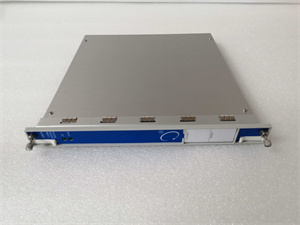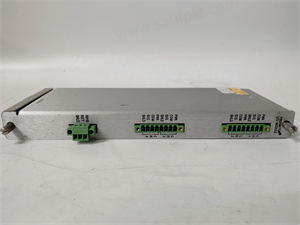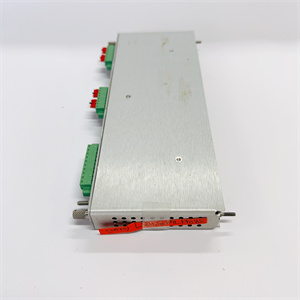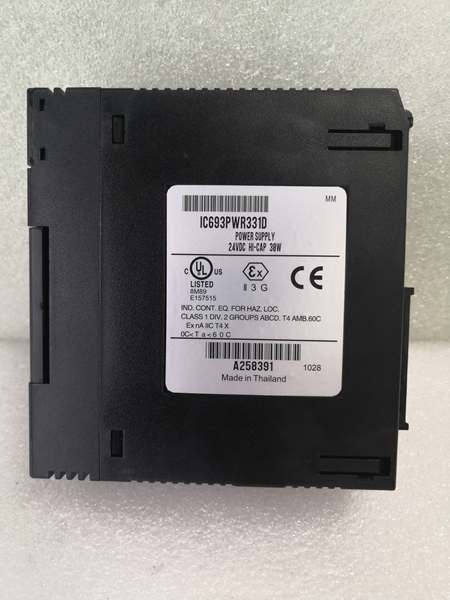
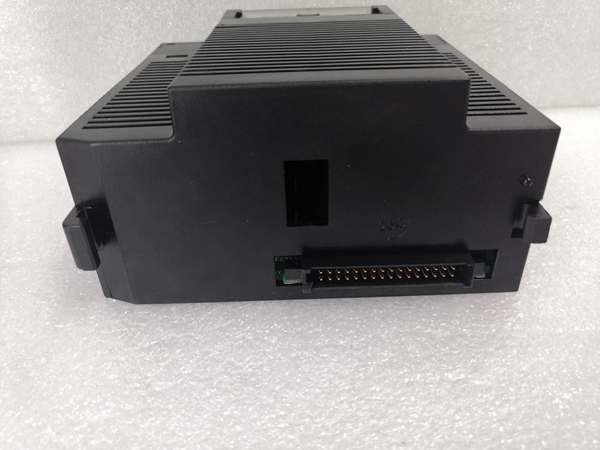
Description
Hard-Numbers: Technical Specifications
- Input Voltage: 24 VDC nominal
- Input Voltage Range: 8-30 VDC (startup), 2-30 VDC (operating)
- Total Output Capacity: 30W maximum
- +5VDC Output: 5.0-5.2VDC (5.1VDC nominal), 30W max (6A @ 5VDC)
- +24VDC Relay Output: 24-28VDC, 5W max
- +24VDC Isolated Output: 21.5-28VDC, 20W max
- +5VDC Backplane Current: 6A maximum (double PWR321 capacity)
- Input Power: 50W DC at full load
- Inrush Current: 4A peak, 250ms maximum
- Holdup Time: 0 ms minimum (DC input—no bulk capacitor)
- Overvoltage Protection: 6.4-7VDC on +5V rail
- Overcurrent Protection: 7A maximum on +5V rail
- Operating Temperature: 0-60°C
- Temperature Derating: Above 50°C, +5VDC current derates to 4.0A maximum at 60°C
- Mounting Location: Leftmost slot of baseplate only
- Internal Fuse: GE catalog 44A724627-109 (field-replaceable)
- Certifications: CE compliant, cULus listed, Class I Division 2 rated
- Revision E Upgrades: 105°C automotive-grade capacitors (5000+ hours), 2.5oz copper +5VDC traces, phase-change/graphite thermal interface, multi-stage EMI filtering
- MTBF: Extended 35% vs Revision D in high-temp applications
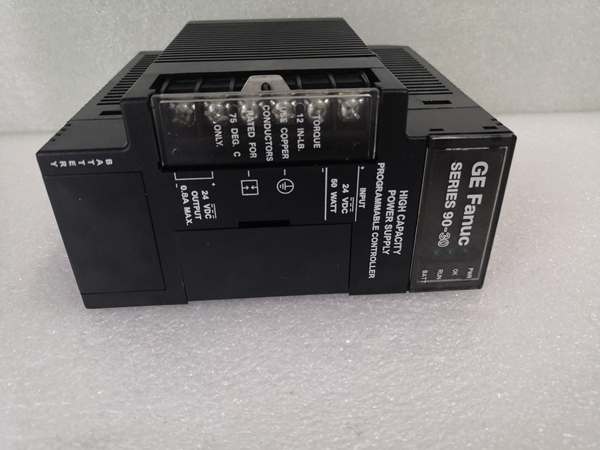
GE IC693PWR331
The Real-World Problem It Solves
DC-powered systems with dense I/O racks and brutal operating conditions—mining haul trucks, offshore platforms, desert solar farms—chew through standard power supplies. The PWR331E is the “buy once, cry once” solution for these environments. Earlier PWR331 revisions (A/B/C/D) still failed from capacitor degradation in 50-60°C heat or -40°C cold. Revision E’s automotive-grade components push MTBF to the limit where module access is a nightmare and downtime costs thousands per hour.
Where you’ll typically find it:
- Offshore Oil & Gas Platforms: Salt-laden air, 24/7 operation, zero module access during storms. Revision E’s extended lifespan prevents power failures in drilling control and safety instrumentation systems.
- Arctic Mining Operations: -40°C winters, +50°C summers. Standard capacitors fail from thermal cycling—Revision E’s automotive-grade caps survive extreme swings without degradation.
- Desert Solar Power Plants: 50°C+ ambient with daily thermal cycling. Standard industrial capacitors dry out within months—Revision E’s 5000+ hour rating keeps PLC systems running.
Bottom line: PWR331E delivers 30W +5VDC capacity with Revision E’s ultimate reliability for mission-critical DC applications. If downtime costs exceed $10K/hour or access is difficult, Revision E’s extended lifespan justifies the premium. For mild indoor DC applications, base PWR331 or Revision D suffice.
Hardware Architecture & Under-the-Hood Logic
PWR331E sits in the leftmost 90-30 baseplate slot and converts 24VDC input to three isolated outputs: +5VDC for CPU/backplane logic, +24VDC relay for non-isolated I/O, and +24VDC isolated for field devices. Unlike AC/DC supplies (PWR321), it’s DC-only with no bulk holdup capacitor—assumes battery backup covers power interruptions.
Internal signal flow and Revision E enhancements:
- Input stage: 24VDC enters through multi-stage EMI filtering with automotive-grade ferrite cores. Reverse polarity protection upgraded to 15A automotive diode with surge protection for transients. Buck-boost pre-regulator accepts 2-30VDC and stabilizes before main switching.
- Primary switching: High-frequency DC-DC converter with automotive-grade MOSFETs (25% lower thermal resistance vs Revision D). Phase-change thermal pads + graphite sheets between transistors and heatsink—junction temps run 5-7°C cooler at full 30W load.
- Output isolation: Three separate secondary windings. The +5VDC rail gets maximum reinforcement: 2.5oz copper pours (vs 1oz early revisions) reduce trace resistance to <0.02Ω. Automotive-grade Schottky diodes cut conduction losses by 0.4-0.5V at 6A. Ultra-low-ESR 105°C capacitors (5000+ hours) handle high ripple current.
- Protection circuitry: Current limiters on each rail with 8µs response time—fastest in PWR331 series. Overcurrent at 7A on +5V rail allows brief surges but blocks sustained overload. Enhanced voltage monitoring with ±0.5% tolerance catches voltage sag early.
- Diagnostic monitoring: Voltage dividers feed supervisory circuit driving front-panel LEDs (PWR, OK, FAULT). Revision E firmware adds predictive thermal alerts via RS-485—CPU gets early warning before thermal shutdown, enabling scheduled maintenance instead of emergency replacement.
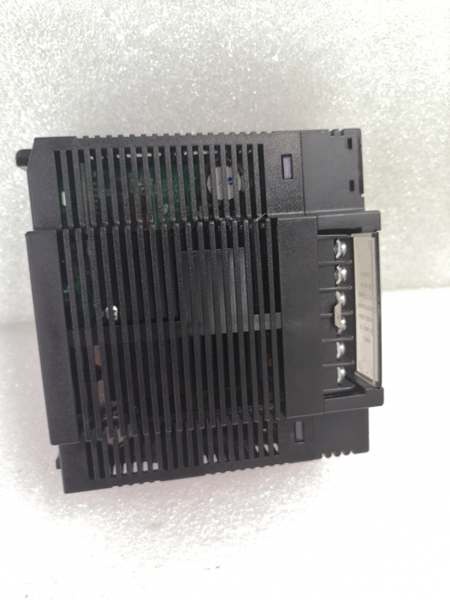
GE IC693PWR331
Field Service Pitfalls: What Rookies Get Wrong
Capacitor Replacement with Wrong GradeTechs substitute standard industrial 105°C capacitors, assuming temperature rating is enough. Automotive-grade caps have different internal construction and ESR characteristics—standard industrial caps fail in 6-12 months under mobile equipment vibration and heat.
Field Rule: Use automotive-grade 105°C capacitors with 5000+ hour rating at 105°C. Panasonic FR, Nichicon PW, or Rubycon ZL series. Voltage must match original (16V or 25V for +5VDC rails). Low-ESR is non-negotiable for +5VDC stability.
Thermal Interface Reuse MistakeRevision E uses phase-change pads + graphite sheets—two-layer system. Techs disassemble for cap replacement and reuse old materials. Phase-change changes properties after one thermal cycle; graphite sheets tear easily. Reused interfaces cause 8-10°C higher junction temps.
Quick Fix: Replace pads and sheets every time you disassemble the power stage. Clean surfaces with isopropyl alcohol before applying new materials. Don’t substitute standard thermal paste—the two-layer system is engineered for Revision E.
Graphite Sheet OrientationGraphite sheets have directional thermal conductivity—efficient in-plane, poor perpendicular. Techs install rotated 90°, reducing thermal transfer 40-50%. Causes overheating and premature failure.
Field Rule: Note orientation before removal. Most Revision E designs have alignment marks. If no marks, install sheets so long dimension aligns with heat flow from transistors to heatsink. Test junction temp after reassembly if unsure.
EMI Filter Component SubstitutionRevision E has enhanced multi-stage EMI filtering with automotive ferrite cores. Techs replace with standard industrial ferrites—compromises EMI immunity. Mobile equipment with VFD noise causes erratic operation or false trips.
Quick Fix: Match ferrite core material and impedance exactly using GE component numbers. Automotive ferrites have different frequency response than industrial cores—don’t substitute based on dimensions alone.
Ignoring Predictive Thermal AlertsRevision E sends thermal warnings via RS-485, but many sites don’t enable monitoring in SCADA/HMI. Techs wait for FAULT light before investigating—missing early warnings causes emergency replacement instead of scheduled maintenance.
Field Rule: Enable thermal monitoring when installing Revision E. Set alerts 10-15°C below thermal shutdown. Allows scheduled replacement during planned shutdowns. Don’t ignore capabilities that justify Revision E’s premium.
Cold-Temperature Derating MistakeTechs derate for heat but ignore Revision E’s cold-start performance. Standard revisions struggle below -20°C due to capacitor electrolyte viscosity. Revision E’s automotive-grade caps maintain performance to -40°C—techs apply conservative curves and underspec arctic applications.
Quick Fix: Revision E maintains full output to -40°C. Don’t derate for cold unless below -40°C. Enhanced cold-start is a key advantage for arctic mining—use it instead of conservative curves from earlier revisions.
Firmware Compatibility IssuesRevision E’s predictive diagnostics require CPU firmware v7.2+. Techs install with older CPUs without updating firmware—losing features that justify premium investment. Module works but you’re paying for unused capabilities.
Field Rule: Check CPU firmware before ordering Revision E if you want predictive diagnostics. If CPU upgrade isn’t feasible, consider Revision D instead. Revision E’s premium only makes sense if you can leverage full diagnostic capability.
Commercial Availability & Pricing Note
Please note: The listed price is for reference only and is not binding. Final pricing and terms are subject to negotiation based on current market conditions and availability.