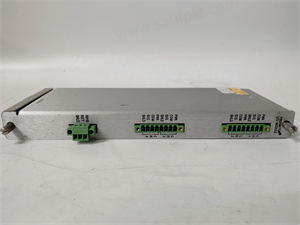
Description
Hard-Numbers: Technical Specifications
- Input Voltage: 110-380V AC (via main power supply)
- Output Voltage: 24V DC (regulated)
- Power Rating: Up to 1000VA capacity
- Current Range: 1-30A (application dependent)
- Operating Temperature: -20°C to +70°C (-4°F to +158°F)
- Operating Humidity: 5% to 95% non-condensing
- Dimensions: Approximately 200mm x 100mm x 50mm
- Weight: 0.29-0.8 lbs (0.13-0.36 kg)
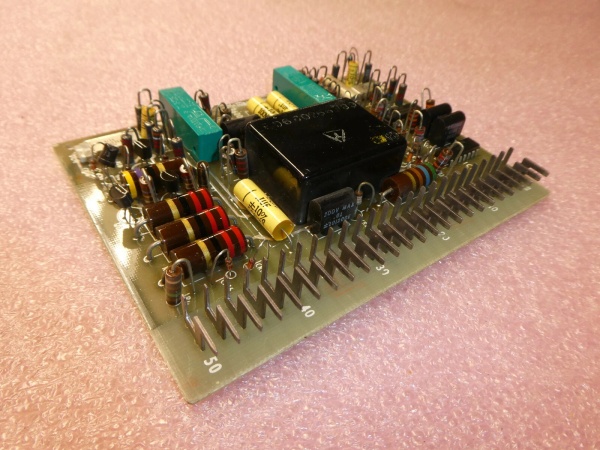
- Connector Type: 25-pin edge connector / male terminal prongs
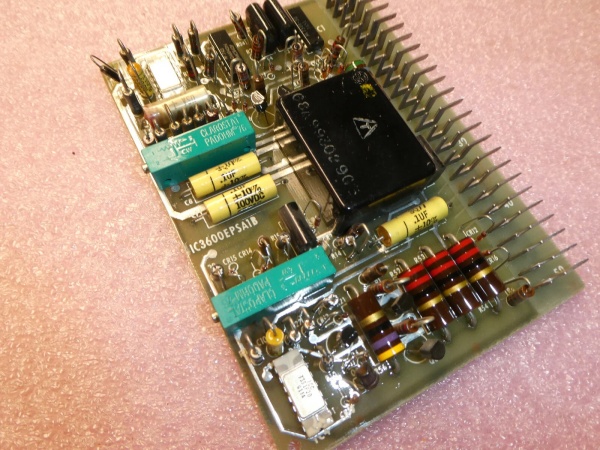
- Circuit Components: 5 transistors, 36 resistors, 6 capacitors, 12 diodes, 2 potentiometers
- Regulation Type: Discrete transistor-based linear regulation
- Adjustment: Field-adjustable via two (2) potentiometers

GE IC3600EPSA1
The Real-World Problem It Solves
The IC3600EPSA1 eliminates the critical failure point of unregulated or drifting voltage levels that cause erratic turbine control behavior, false alarms, and shutdowns. By providing a stable 24V DC reference and supply rail, it ensures all downstream control loops—fuel, speed, and temperature—operate on consistent logic levels regardless of input power fluctuations from the plant distribution system.
Where you’ll typically find it:
- Gas Turbine Control Cabinets: Mounted in Mark I and Mark II Speedtronic cabinets regulating power for the control core, providing clean DC to processors, relay drivers, and sensor excitation circuits.
- Steam Turbine Governing Panels: Installed in steam turbine control racks where precise voltage regulation is essential for governor valves and actuator position feedback circuits.
- Legacy Power Generation Facilities: Operating in older power plants where Mark I/II systems are still in service, often in offshore rigs or remote industrial sites with dirty power infrastructure.
Bottom-line value: This regulator board prevents nuisance trips and control logic instability by maintaining steady 24V DC rails, protecting sensitive turbine control electronics from voltage spikes and surges that originate from the main AC supply.
Hardware Architecture & Under-the-Hood Logic
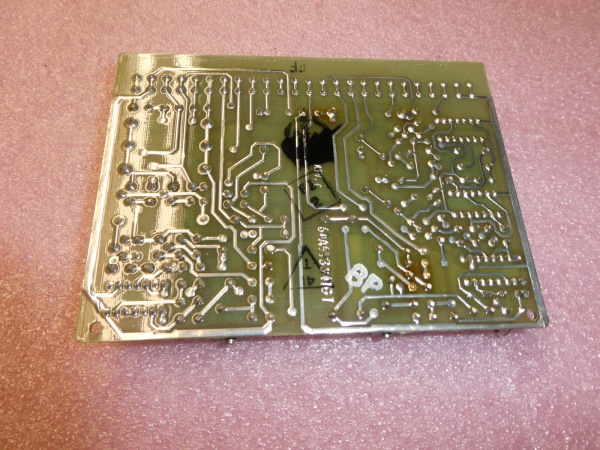
The IC3600EPSA1 is a discrete analog regulator board that sits between the raw AC-derived DC bus and the sensitive control electronics of the Speedtronic system. It does not contain a microprocessor; instead, it relies on a network of transistors, diodes, and capacitors to perform linear voltage regulation. The board takes a higher-voltage DC input (derived from the main AC supply through a transformer/rectifier stage elsewhere in the cabinet) and steps it down to a precisely regulated 24V DC output. The two potentiometers on the board are the user interface—these allow field technicians to trim the output voltage to compensate for component aging or specific site requirements. The board connects to the system through a 25-pin edge connector that carries input power and distributes the regulated output to other cards in the rack.
Internal Signal Flow:
- Input Rectification & Filtering: The incoming AC voltage (110-380V AC) is converted to DC by an external transformer/rectifier and presented to the IC3600EPSA1. The board’s capacitors (polypropylene and electrolytic) filter this input, smoothing out ripple from the conversion process.
- Voltage Reference Generation: A precision voltage reference circuit establishes a stable comparison point against which the output voltage will be measured. This reference is typically derived from a Zener diode network.
- Error Amplification: One of the integrated circuits or discrete transistor stages compares the actual output voltage (fed back through resistor dividers) against the reference voltage. Any difference (error) is amplified.
- Series Regulation: The amplified error signal drives the base of the main pass transistors (the silver and dark blue power transistors). These transistors act as variable resistors, adjusting their resistance to maintain the output at 24V DC despite load changes or input fluctuations.
- Output Distribution: The regulated 24V DC exits through the edge connector pins to power other cards in the Speedtronic rack. The diodes on the board prevent reverse current flow and provide polarity protection.
GE IC3600EPSA1
Field Service Pitfalls: What Rookies Get Wrong
Random Potentiometer Adjustments Without Documentation
New technicians often see the two adjustable potentiometers on the faceplate and start turning them blindly when troubleshooting voltage issues. This is a catastrophic mistake because these trims set the output voltage regulation point and possibly other reference thresholds. Without documenting the original positions or having the calibration procedure, you cannot return the board to its factory state. Incorrect adjustment can cause overvoltage conditions that fry downstream logic cards or undervoltage that prevents the turbine from starting.
- Field Rule: Before touching any potentiometer, measure and record the output voltage at the test points. Count the number of turns required to return the pot to its original position. Never adjust without a multimeter connected to monitor the output in real-time. Always reference the specific turbine’s calibration manual for the correct 24V tolerance band.
Ignoring Board Heating and Component Stress
The IC3600EPSA1 runs warm—that’s normal for a linear regulator dissipating voltage drop as heat. However, technicians often overlook that the board’s cooling depends on cabinet airflow and the cleanliness of heatsinks. In dirty control cabinets, dust accumulation on the transistor mounting areas and the backplane can cause thermal runaway. The pass transistors, already under thermal stress from regulation, will fail prematurely if they cannot dissipate heat. I’ve seen boards cooked from the inside out because cabinet filters were clogged for years.
- Quick Fix: During any cabinet maintenance, vacuum out dust from the card rack and pay special attention to the heatsink areas on regulator boards like the IC3600EPSA1. Verify that cabinet cooling fans are operational. If you measure board surface temperatures exceeding 65°C under normal load, investigate airflow restrictions or consider derating the load.
Swapping Boards Without Checking Load Conditions
A common failure mode is immediately blowing out a replacement IC3600EPSA1 upon power-up. Technicians assume the board was the sole failure and swap in a new one without investigating what caused the original board to fail. The downstream circuit being powered by the regulator may have a shorted component—a failed capacitor on another card, a wiring fault, or a moisture intrusion that creates a dead short to ground. When the new board powers up and tries to drive 24V into a dead short, its output transistors fail instantly.
- Field Rule: Before installing a replacement regulator board, perform a resistance check on the 24V DC rail (with power off). Measure resistance from the 24V output terminals to ground. If you see near-zero ohms or unusually low resistance, there is a short downstream. Trace and clear the fault before applying power to the new board. Also verify that the AC input voltage is within the specified 110-380V range—overvoltage on the input can stress the regulation circuitry.
Commercial Availability & Pricing Note
Please note: The listed price is for reference only and is not binding. Final pricing and terms are subject to negotiation based on current market conditions and availability.