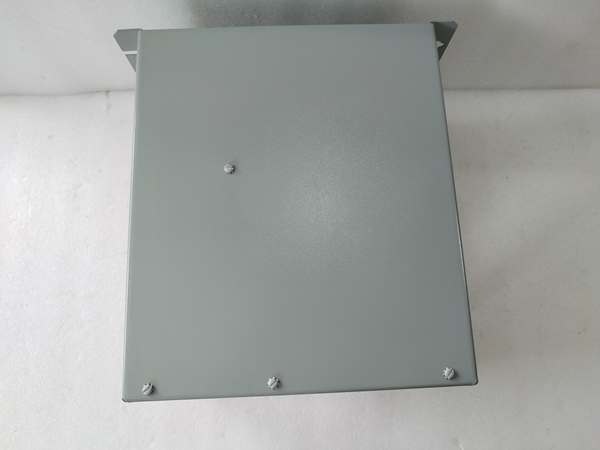
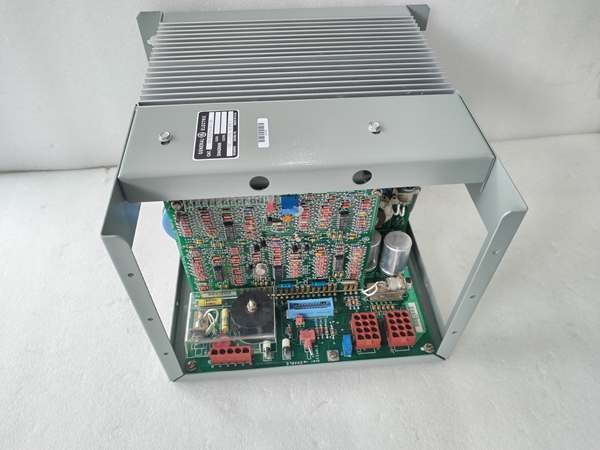
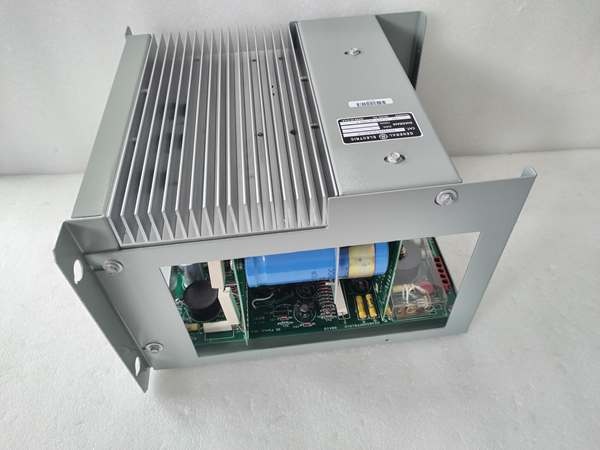
Description
Hard-Numbers: Technical Specifications
- Input Voltage: 125V DC ±10% or 220V AC ±10% (configurable)
- Output Voltages: +5V DC @ 20A, ±15V DC @ 5A, +24V DC @ 5A
- Total Power Output: 250W max
- Input Isolation: 1500V RMS input-to-output
- Power Factor: >0.85 @ full load
- Efficiency: 80% typical at full load
- Overcurrent Protection: Per-output foldback current limiting
- Overvoltage Protection: Crowbar circuit on +5V output
- Monitoring: Voltage, current, and temperature monitoring per output
- Operating Temperature: –35°C to +70°C
- Storage Temperature: –40°C to +85°C
- Humidity: 5% to 95% non-condensing
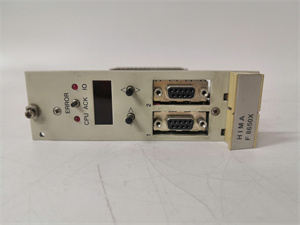
- LED Indicators: 4 red (output fault), 1 amber (power good)
- Test Points: 8 TP access points (input/output)
- Jumpers: 3 configuration jumpers (input voltage selection)
- Weight: 1.4 kg (3.1 lbs)
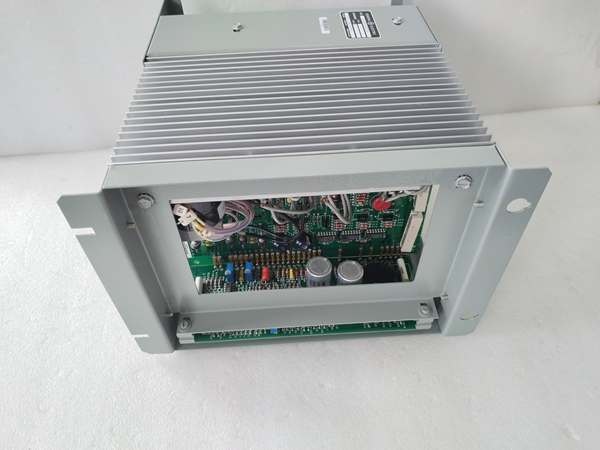
- Mounting: Backplane via edge connector with screw terminals
- Compatible Controllers: Mark VI Speedtronic

DS3820PSCB1C1B
The Real-World Problem It Solves
Control racks need clean, stable DC power. If the +5V supply sags or the +24V droops, processors reset, I/O goes erratic, and the turbine trips on false faults. This board provides regulated, monitored, and protected DC power to the Mark VI rack, ensuring all modules get stable power and the controller can detect power issues before they cause failures.
Where you’ll typically find it:
- Mark VI turbine control racks providing main rack power
- Control power distribution for I/O modules
- Emergency shutdown panel power supply
- Field instrument power distribution
Bottom line: Stable, monitored power means fewer nuisance trips and better reliability.
Hardware Architecture & Under-the-Hood Logic
This is a multi-output power supply controller with switching regulation, output protection, and monitoring. No CPU—power control and protection are handled by analog circuits and hardware comparators.
- AC or DC input enters via terminal block; jumper selects input type
- EMI filter reduces line noise and harmonic distortion
- Bridge rectifier converts AC to DC (if AC input)
- Bulk capacitors smooth rectified DC
- Switching regulators generate +5V, ±15V, +24V outputs
- Output inductors and capacitors filter switching noise
- Per-output current sense resistors feed comparators
- Foldback current limiting activates on overcurrent
- Crowbar circuit clamps +5V output if overvoltage detected
- Voltage and temperature monitor circuits feed back to controller
- LED indicators show output status and power good
DS3820PSCB1C1B
Field Service Pitfalls: What Rookies Get Wrong
-
Incorrect input voltage jumper configurationSetting jumpers for 125V DC when the plant provides 220V AC. The board doesn’t regulate, and output voltages sag or oscillate. The Mark VI reboots randomly.Field Rule: Verify plant power before configuring jumpers. For 125V DC, use DC input jumper; for 220V AC, use AC input jumper. Always re-check after any plant power change.
-
Ignoring the amber “Power Good” LEDAmber LED flickers during high load. Techs assume it’s normal. The LED indicates one output is near dropout—the +5V is dropping below 4.75V under load. Processors glitch, and you get random logic faults.Quick Fix: Measure +5V at full load. If <4.75V, check input voltage and load current. Clean contacts on terminal blocks. If input is good, the board may be failing—replace it.
-
Overloading the +24V outputAdding too many field instruments to the +24V output. Current exceeds 5A, foldback kicks in, and output drops to ~18V. Solenoid valves don’t actuate, and the turbine trips on shutdown failure.Field Rule: Calculate total +24V load before adding devices. Keep headroom—target <80% of rated current (4A for a 5A supply). If you need more, add an external power supply or a second PSC board.
-
Not checking bulk capacitor ESRThe board ran for 12 years, and now output ripple is 200mV on +5V. The bulk electrolytic capacitors have dried out—ESR increased. Switching noise isn’t filtered, and processors reset.Field Rule: Check bulk capacitor ESR annually. Replace any capacitor with ESR >10Ω. For boards >10 years old, proactively replace all bulk caps—cheaper than a turbine trip.
-
Shorting output during troubleshootingProbing the +5V output with a grounded scope clip. The output protection triggers, and the board shuts down. Techs think the board failed when it’s just protecting itself.Field Rule: Use an isolated oscilloscope or differential probes for power supply troubleshooting. Never connect a grounded scope to switching supply outputs—the protection circuit will trip.
Commercial Availability & Pricing Note
The listed price is for reference only and is not binding. Final pricing and terms are subject to negotiation based on current market conditions and availability.