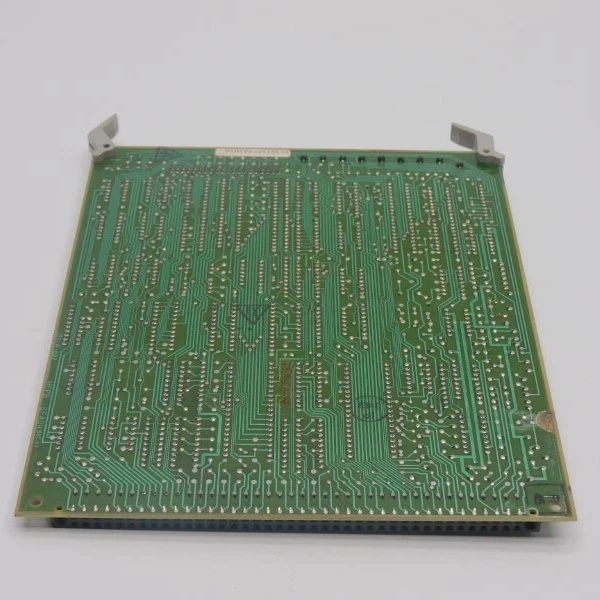
Description
Hard-Numbers: Technical Specifications
- Input Voltage: 125V DC nominal (90-140V DC range)
- Output Channels: 4 independent fused outputs
- Current Rating: 10A per channel / 40A total
- Fuse Type: 5×20mm cartridge, 2A-10A per channel (configurable)
- Terminal Blocks: 2 blocks × 10 terminals each
- Isolation Rating: 1500V DC (input to output)
- Operating Temp: -40°C to +70°C
- LED Indicators: 4 channel status LEDs + 1 power LED + 1 fault LED
- Protection: Overcurrent, reverse polarity, short circuit
- Weight: 1.4 kg (3.1 lbs)
- Mounting: Backplane via edge connector
- Compatible Controllers: Mark IV, Mark IV Speedtronic
- Revision: 1F1E (enhanced fault detection, conformal coating)

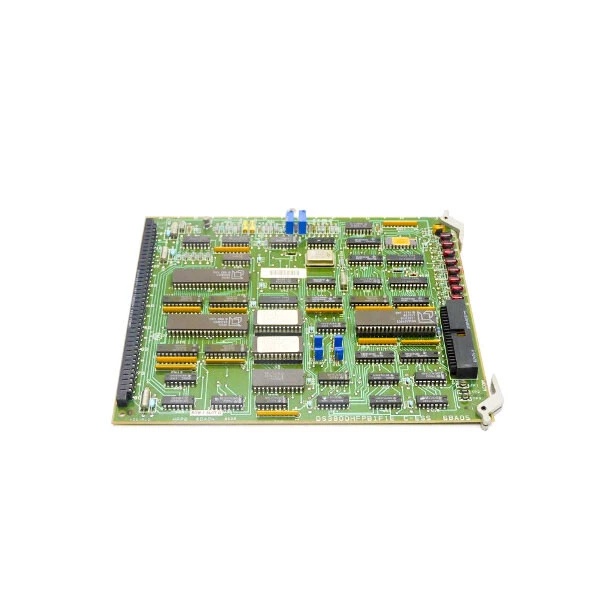
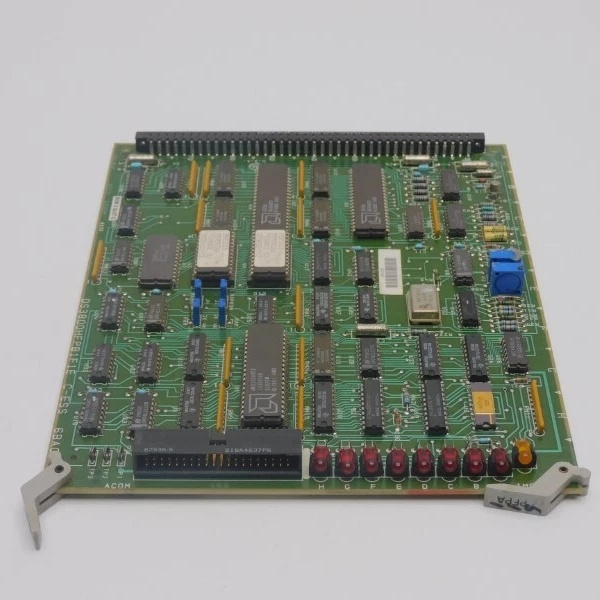
GE DS3800HFPB1F1E
The Real-World Problem It Solves
Control cabinets in power plants are a maze of power feeds. When a field device shorts to ground, you don’t want the entire rack going dark. This board isolates outputs, monitors each channel, and gives you visual fault indication before the main breaker trips. One dead solenoid doesn’t take down the whole turbine control system.
Where you’ll typically find it:
- Mark IV turbine control cabinets powering field solenoids and actuators
- Steam valve hydraulic power unit control circuits
- Gas turbine fuel valve and IGV actuator power distribution
- Emergency shutdown system power feeds requiring isolated protection
Bottom line: Distributed 125V DC power with channel-level isolation keeps critical controls online even when one device shorts.
Hardware Architecture & Under-the-Hood Logic
This is a power distribution board with active monitoring—no microprocessor, just discrete protection circuits and monitoring logic. Each channel has its own fuse, current shunt, and status comparator feeding the LED driver. The 1F1E revision adds enhanced fault detection logic.
- 125V DC input enters via main terminal block from DC bus
- Input protection circuit (reverse polarity diode, PTC fuse) protects board
- Power distributes to 4 independent output channels via bus bars
- Each channel taps through individual fuse holder
- Current shunts on each output feed to comparator circuits
- Overcurrent condition triggers LED fault indication without interrupting power
- Short circuit blows fuse, isolating failed channel only
- Fault detection logic identifies blown fuse vs. overload condition
- Status LEDs provide real-time channel health monitoring
- Conformal coating (1F1E) protects against humidity and corrosion
GE DS3800HFPB1F1E
Field Service Pitfalls: What Rookies Get Wrong
Oversizing Fuses to Stop Nuisance BlowsReplacing a blown 2A fuse with a 5A because “it keeps popping when the valve moves.” The real problem is a sticking solenoid that’s drawing 4A intermittently. Now the 4×20mm fuse never blows, and the solenoid coil cooks until it shorts the 125V bus to ground.
- Field Rule: Never exceed the factory fuse rating for the connected device. If fuses blow repeatedly, you’ve got a field device problem—not a fuse problem. Measure actual current draw with a clamp meter and fix the root cause.
Mixing Fuse Types in the Same BoardDropping in a fast-acting fuse (3×20mm) in a slot that takes 5×20mm. It doesn’t fit right, so the tech bends the clips to make it work. The clips lose contact pressure, heat up, and the fuse holder melts down at 7A load.
- Quick Fix: Use only 5×20mm cartridge fuses as specified. Verify fuse type (fast-acting vs. time-delay) matches the application—inductive loads like solenoids need time-delay fuses to handle inrush current.
Parallelizing Outputs for Higher CurrentWiring two channels in parallel to get 20A for a large actuator because “10A isn’t enough.” The current doesn’t split evenly—one channel carries 14A and blows its fuse. Now the actuator is running on one channel at 6A and can’t complete the stroke.
- Field Rule: If you need more than 10A, use an external contactor or larger power distribution unit—don’t parallelize board outputs. The fuse curves don’t match, and you’ll get uneven current sharing. Calculate your load current and size the distribution appropriately.
Ignoring the Reverse Polarity ProtectionBypassing the input reverse polarity diode because “it drops 0.7V and the solenoids are slow.” A year later, a maintenance tech reverses the DC bus wiring, and the board’s power crowbar blows. Now you’re replacing the entire board instead of a $2 diode.
- Field Rule: Never bypass protection components. If voltage drop is a problem, increase the supply voltage or use heavier gauge wire—don’t remove the diode. Reverse polarity protection is there because humans make mistakes.
Commercial Availability & Pricing Note
Please note: The listed price is for reference only and is not binding. Final pricing and terms are subject to negotiation based on current market conditions and availability.