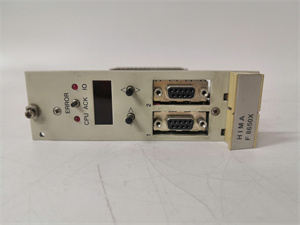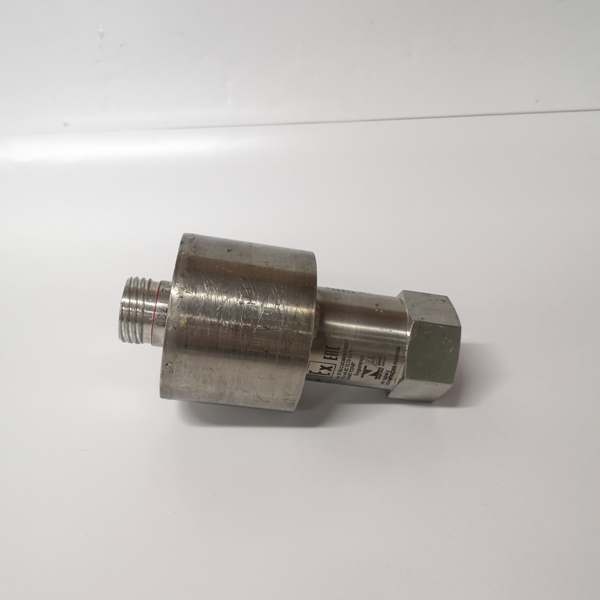
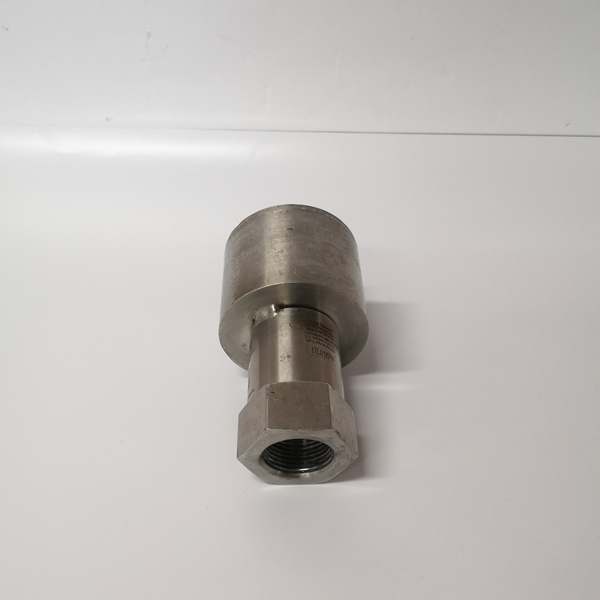
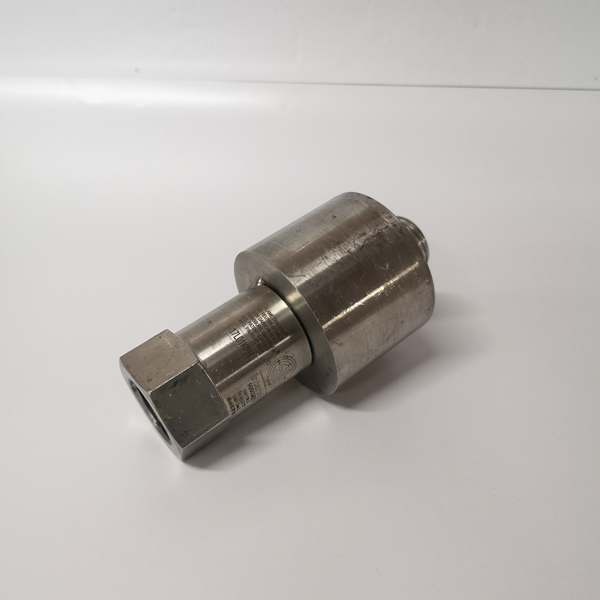
Description
Hard-Numbers: Technical Specifications
- Valve Type: 2-way, normally closed (NC) or normally open (NO) – configuration specific
- Port Size: 1/4″ NPT (typical), may vary by specific variant
- Orifice Size: 0.125″ (3.2 mm) typical
- Pressure Rating: 0-150 psig (0-10.3 bar) at 70°F (21°C)
- Fluid Temperature: -20°F to 250°F (-29°C to 121°C) for standard seals
- Voltage: 120 VAC 60 Hz (primary), 24 VDC or 24 VAC options available
- Power Consumption: 8-12 VA (AC), 8-10 W (DC)
- Body Material: Brass (standard), 316 SS available
- Seal Material: Viton (standard), Buna-N, EPDM available
- Coil Type: Class F insulation, molded epoxy encapsulation
- Response Time: <100 ms to open, <50 ms to close (AC); <200 ms to open, <100 ms to close (DC)
- Cycle Life: 1,000,000 cycles (typical under rated conditions)
- Duty Cycle: Continuous (100% ED) for most applications
- Electrical Connection: 1/2″ NPT conduit entry or DIN 43650 connector
- Enclosure Rating: NEMA 4X (IP66) coil enclosure

The Real-World Problem It Solves
Manual valves require operator intervention for every batch change or safety event. The 354A1513P202 provides automated on/off control triggered by PLC or safety systems, enabling rapid response and unattended operation.
Where you’ll typically find it:
- Emergency shutdown (ESD) valve actuation
- Batch process on/off control
- Chemical injection systems
- Pump priming and venting
Bottom line: Fast-acting automated on/off control for process safety and automation.
Hardware Architecture & Under-the-Hood Logic
Solenoid valves use an electromagnetic coil to actuate a plunger. Energizing the coil creates a magnetic field that lifts the plunger against spring force, opening the valve. De-energizing allows the spring to return the plunger, closing the valve. Direct-acting valves operate at zero pressure differential; pilot-operated valves use line pressure to assist in lifting the main diaphragm.
Signal flow:
- PLC or safety system sends control voltage to coil
- Coil energizes, creating magnetic field
- Magnetic force lifts plunger against spring force
- Plunger opens pilot orifice (pilot-operated) or main orifice (direct-acting)
- Fluid pressure equalizes across diaphragm (pilot-operated) or flows through orifice (direct-acting)
- Main valve opens fully when pressure balance achieved
- Spring returns plunger when coil de-energized
- Valve closes, 终止ping flow
Field Service Pitfalls: What Rookies Get Wrong
Installing with wrong voltage burns the coil instantly120 VAC coils fail on 24 VDC and vice versa. I’ve seen technicians wire a 120 VAC coil to 24 VDC, getting no movement; wire 24 VDC coil to 120 VAC, burning it instantly.
- Field Rule: Verify the coil voltage nameplate before wiring. Test voltage at the valve terminals before energizing—should match nameplate rating ±10%. Never apply voltage above rated value. Document coil voltage and wiring configuration. For VFD applications, ensure voltage harmonic content does not exceed 5% THD.
Flow direction arrow ignored causes valve bindingMost solenoid valves are unidirectional. I’ve seen technicians install backwards, causing the valve to bind or fail to open under pressure.
- Field Rule: Verify flow direction arrow on valve body matches actual flow direction. For bidirectional applications, specify bidirectional valve configuration. Never force operation against the arrow. Test valve operation by manually actuating (if possible) and observing flow direction.
Debris in line causes internal leakage and stickingParticulates wedge between plunger and seat. I’ve seen valves fail to close due to small particles trapped in the orifice, causing costly product loss or safety hazards.
- Field Rule: Install a strainer upstream with mesh size smaller than orifice size. For 1/4″ valves, use 40-60 mesh strainer. Monitor leakage after installation—slow closing indicates debris buildup. Clean or replace strainer regularly. For dirty services, consider a pilot-operated valve with larger orifice or a ball valve instead.
Improper electrical grounding causes coil failureVoltage spikes damage coils. I’ve seen coils fail prematurely due to surges from contactor switching or lightning, especially in outdoor installations.
- Field Rule: Install a surge suppressor (RC network or MOV) across the coil terminals. Ground the valve body to earth ground per NEC requirements. Use shielded cable for long runs (>50 ft). Document surge protection installation. For hazardous areas, verify intrinsically safe barriers or explosion-proof enclosure requirements.
Forgotten to check minimum operating pressurePilot-operated valves require minimum pressure to open. I’ve seen technicians expecting operation at 2 psig on valves rated for 5 psig minimum, causing the valve to fail to open.
- Field Rule: Verify minimum operating pressure rating on nameplate. For low-pressure applications (<5 psig), specify direct-acting valves. Test operation at minimum expected line pressure during commissioning. Document minimum pressure and test results.
Ignoring duty cycle causes overheatingContinuous duty coils overheat in intermittent duty applications. I’ve seen coils burn out after extended hold times in applications designed for intermittent cycling.
- Field Rule: Verify duty cycle rating (continuous vs intermittent). For intermittent applications (e.g., 50% ED), do not exceed hold time ratings. Monitor coil temperature during extended operation—should not exceed class F insulation limit (155°C). For high-cycle applications, consider latching solenoid valves to reduce coil heating.
Forgotten to verify seal material compatibilityProcess fluid attacks seals. I’ve seen Viton seals degrade in steam service, causing internal leakage and valve failure.
- Field Rule: Verify seal material compatibility with process fluid at operating temperature. Check chemical compatibility charts for concentration and temperature. For steam service, specify PTFE or high-temperature EPDM seals. Document seal material and expected service life. Replace seals at first signs of leakage or degradation.
Manual override not engaged during maintenance causes safety hazardTechnicians forget to lock out the valve. I’ve seen personnel injured when valves energized unexpectedly during maintenance.
- Field Rule: Engage manual override (if equipped) to hold valve in desired position. Lock out and tag out (LOTO) electrical supply before any maintenance. Verify zero energy state before working on valve. Document LOTO procedures. Train all personnel on manual override operation.
Commercial Availability & Pricing Note
Please note: The listed price is for reference only and is not binding. Final pricing and terms are subject to negotiation based on current market conditions and availability.