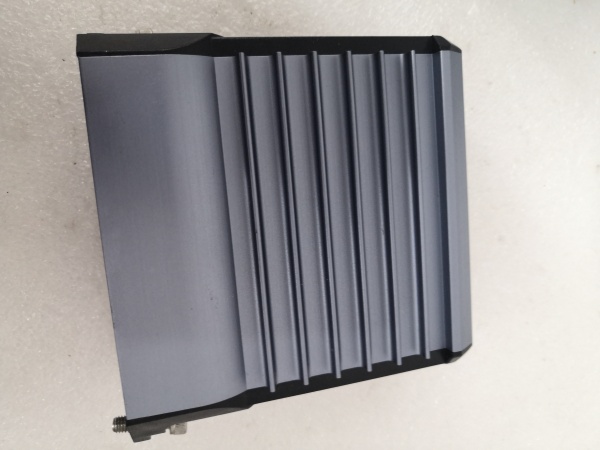
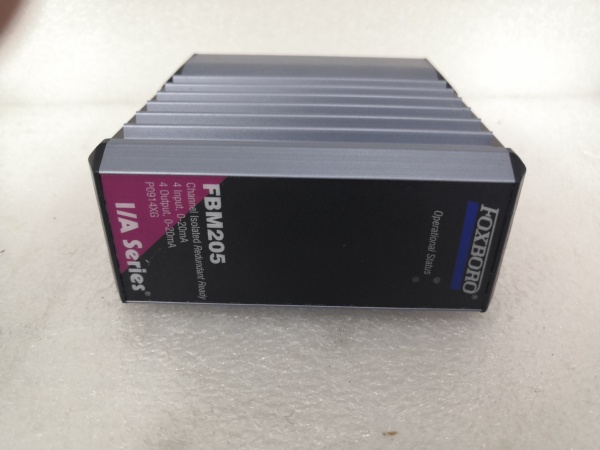
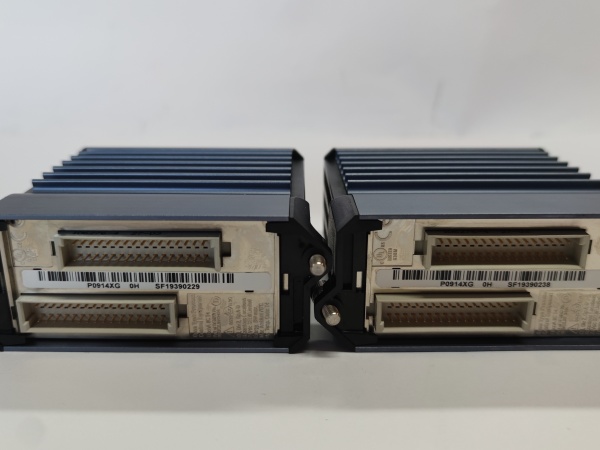
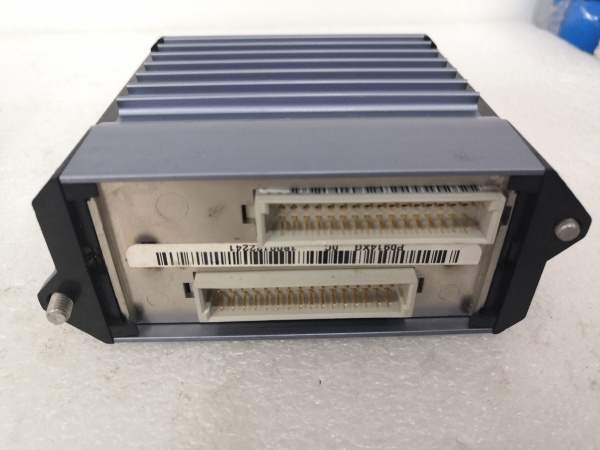
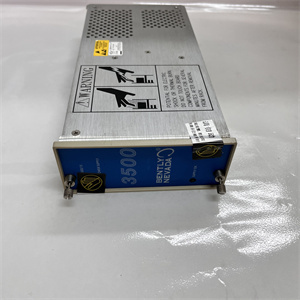
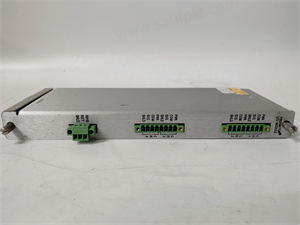
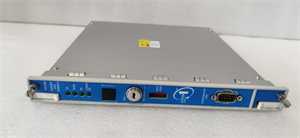
Manufacturer: Modules Part number: FBM205
Our extensive Modules catalogue, including
: FBM205
, is available now for dispatch to the worldwide.
Brand: FOXBORO
The listed price is not final; the actual selling price is negotiable based on current market conditions.
Port Count: 4 isolated redundant AI channels + 4 isolated redundant AO channels
Signal Ranges: 0–20mA (4–20mA compatible); loop-powered or external transmitters
Resolution: 16-bit (65536 levels) per channel
Accuracy: ±0.05%–±0.1% FS; temp coeff ±50ppm/°C
Isolation Rating: 600V AC (channel-to-channel, channel-to-ground, 1 minute)
Operating Temperature: 0°C to +60°C (ISA G3 harsh environment rated)
Power Draw: 24VDC (backplane-fed); 4.0W typical
A/D Conversion: Sigma-Delta per channel; 25ms sampling; 1s update rate
Output Drive: 4–20mA into 500Ω max; short-circuit protected
Protection: Current-limited (<40mA/channel); redundant loop power for transmitters
The Real-World Problem It Solves
Single-point I/O failures trip critical loops and cause unplanned outages. Non-redundant cards can’t keep up with high-availability demands in refining and power.
Where you’ll typically find it:
Refinery reactor feed/effluent control loops (4–20mA valves + transmitters)
Power plant turbine governor and steam valve control (safety-critical AO)
Chemical plant pH/flow closed-loop control (redundant I/O for uptime)
Any 2/4-wire HART loop needing redundant I/O for SIS/DCS integration
Bottom line: It delivers fault-tolerant, isolated mA I/O where no single I/O card failure can shut down the process.
Hardware Architecture & Under-the-Hood Logic
Slave I/O module, no onboard CPU—depends on I/A Series controller (FCP270/FCP280). Fully isolated; redundant signal paths for both input and output.
Field 4–20mA AI enters FTA; routed to primary/secondary channels.
Each channel’s Sigma-Delta converter samples at 25ms; 50/60Hz noise rejection.
16-bit AI values buffered; controller votes redundant pairs for validity.
Controller sends AO setpoints; drives primary/secondary 4–20mA to valves.
Techs wire only one redundant channel pair, defeating fault tolerance. Seen it cause a 3-hour FCC unit outage after a card fault.
Field Rule: Always wire both primary and secondary channels for each loop; use dedicated twisted-pair for each leg.
HART Jumper & Redundancy Conflict
Rookies enable HART on both redundant pairs, causing bus collisions and intermittent AO drops.
Quick Fix: HART ON only on primary channel; OFF on secondary. Verify with HART communicator before startup.
Overheating & Redundancy Degradation
Dust-clogged heat sinks push temps over 60°C; module drops redundant mode and reverts to single-path. Common in coal plants.
Field Rule: Quarterly low-pressure air cleaning (≤30psi); cabinet temp strictly 0–60°C; keep fans unobstructed.
Commercial Availability & Pricing Note
Please note: The listed price is for reference only and is not binding. Final pricing and terms are subject to negotiation based on current market conditions and availability.