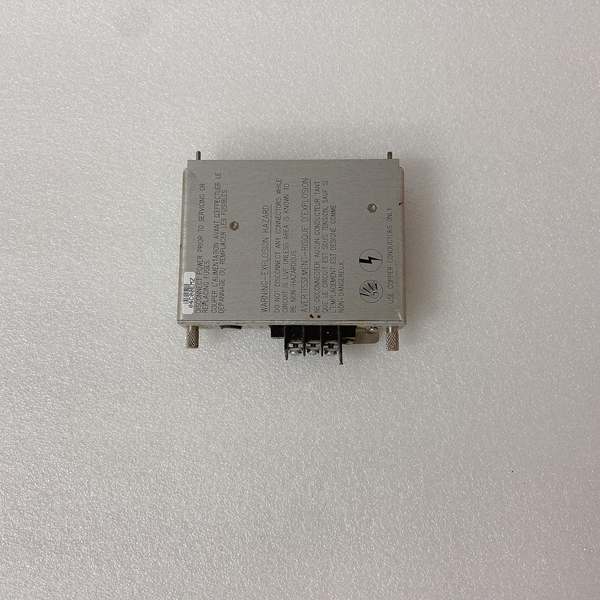
Description
Hard-Numbers: Technical Specifications
- Input Voltage: 20–30 VDC (nominal 24 VDC)
- Full-Rack Current Draw: 11.0 A (maximum) at low voltage DC input
- Power Supply Module Dimensions: 120.7 mm × 50.8 mm × 251.5 mm (H × W × D)
- PIM Dimensions: 120.7 mm × 25.4 mm × 114.3 mm (H × W × D)
- Power Supply Weight: 1.39 kg (3.06 lb)
- PIM Weight: 0.34 kg (0.75 lb)
- Operating Temperature: -30°C to +65°C (-22°F to +150°F)
- Storage Temperature: -40°C to +85°C (-40°F to +185°F)
- Humidity: 95% non-condensing
- Front Panel: Supply OK LED (green = normal; off = fault)
- Out-of-Range Protection: Under-voltage = no damage; over-voltage = PIM fuse opens
- Replacement Fuse (LVDC PIM) : 01720045
- Agency Approvals (optional) : CSA/NRTL/C (01); ATEX/IECEx/CSA (02); Class I, Zone 2 / Div 2, T4 @ Ta = -20°C to +65°C
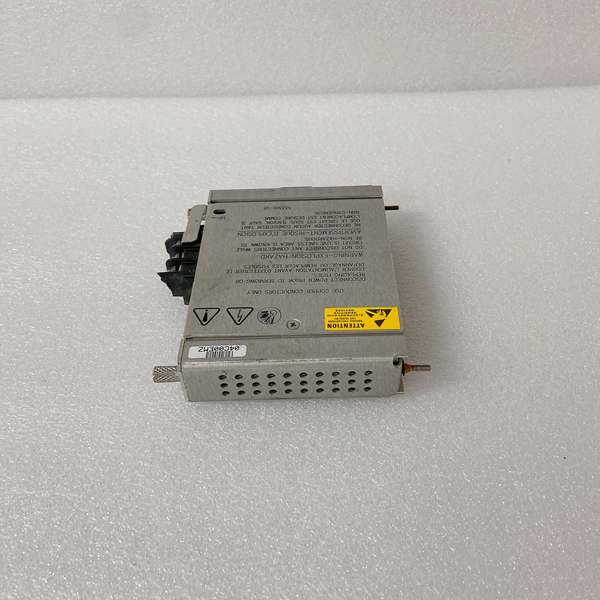
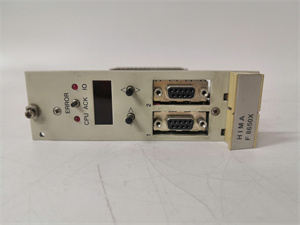
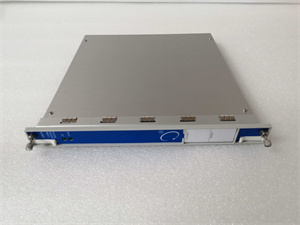
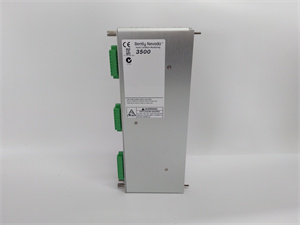
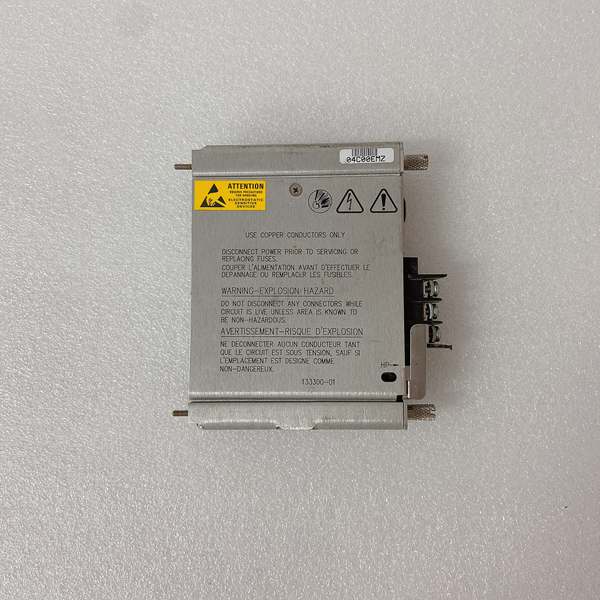
Bently Nevada 3500/15-04-00-00 (133300-01)
The Real-World Problem It Solves
Plants running 24 VDC control power need a clean, redundant path to the 3500 rack without dragging in big, noisy AC transformers. The LVDC module ties straight into your DC bus or UPS, gives you hot-swap redundancy, and kills the whole rack if input goes out of spec—fast, predictable failure instead of creeping drift that eats your Proximitor signals.
Where you’ll typically find it:
- Refineries and offshore platforms with 24 VDC UPS systems where AC loss is common
- Power plants with DC battery-backed control rooms requiring uninterrupted monitoring
- Retrofits into existing 24 VDC cabinet infrastructure without adding AC distribution
Bottom line: This is your workhorse DC backbone when AC isn’t an option or when you need ride-through during plant outages.
Hardware Architecture & Under-the-Hood Logic
The 3500/15 is a half-height card that sits on the left side of the rack and converts external DC into the internal rails (+8.5V, +21V, -31V, etc.) that feed every monitor and relay module. The PIM bolts directly behind the supply, providing the physical screw terminals and the sacrificial fuse that takes the hit if your DC bus spikes.
-
Input Stage (PIM) : 20–30 VDC lands on terminal block; fuse in series opens on over-voltage; under-voltage passes through harmlessly but flags internally.
-
Conversion Stage (Power Module) : DC-DC converters chop and regulate input to multiple isolated rails required by 3500 monitors (proximitors, relays, comms).
-
Backplane Distribution: Converted rails route through the backplane to all slots; any single supply can carry full rack load if configured as primary.
-
Redundancy Logic: Lower slot defaults to primary; upper slot backs it up. Both are live; if primary dies, backup takes over without interruption—diode-OR or active switching inside the rack handles switchover.
-
Fault Detection: Internal monitoring checks output rails; if any rail goes out of spec, the Supply OK LED goes dark and faults are reported to the Rack Interface Module.
-
No Microprocessor: This is pure analog power electronics—no firmware, no comms, no field-upgradable logic. Keep spares on hand; you can’t patch this one remotely.
-
Isolation & Safety: Input is galvanically isolated from backplane-side outputs up to the ratings defined in EN 61010-1. When used with internal barrier I/Os, the grounding switch on the PIM must be in the “Open” position.
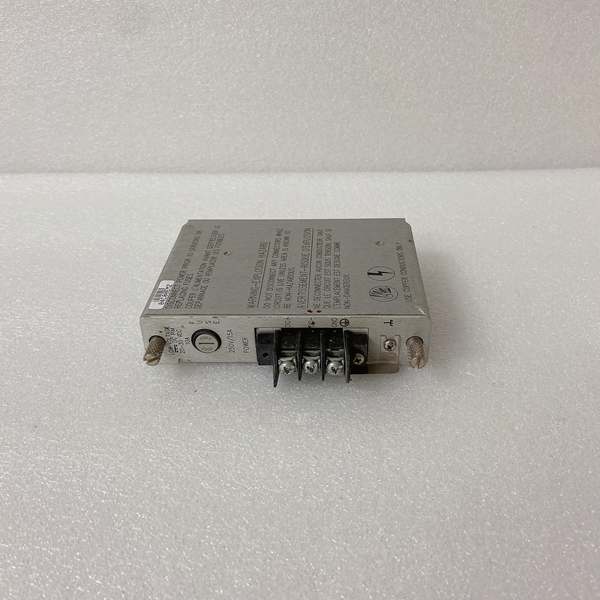
Bently Nevada 3500/15-04-00-00 (133300-01)
Field Service Pitfalls: What Rookies Get Wrong
Mixing Legacy and Modern Power ComponentsYoung engineers throw a universal AC PIM on a legacy LVDC supply because “it fits.” The pinout and protection circuits don’t match, and you’ll smoke the PIM or the backplane.
- Field Rule: Legacy Low Voltage DC (04) only works with 133300-01 PIM and 133292-01 supply. Never mix legacy parts with universal AC (05) or new HVDC/LVDC (06/07) families.
Wrong Grounding Switch Position with Internal BarriersYou install internal barrier I/Os and forget to flip the PIM grounding switch to “Open.” Now you’ve got ground loops and noisy vibration data.
- Quick Fix: With internal barriers, PIM grounding switch = Open. With external barriers or non-IS installations, switch = Closed. Mark it on the cabinet door with a Sharpie.
Skipping the Fuse After an Over-Voltage EventA DC bus spike blows the PIM fuse; the new guy swaps the module but doesn’t check or replace the fuse—next over-voltage kills the brand-new supply.
- Field Rule: Always replace fuse 01720045 after any over-voltage event. Keep a box of fuses in your toolkit; don’t guess the rating—use the exact Bently P/N.
Ignoring Cabinet Depth with PIM InstalledThe PIM adds rear depth. Technicians jam the rack into a 400 mm cabinet and crack the rear connectors because they didn’t account for the extra 114.3 mm.
- Field Rule: Measure rear depth before mounting. LVDC PIM adds ~114 mm behind the supply. Use bulkhead racks or deep cabinets (600 mm minimum preferred) to avoid connector damage.
Miswiring Polarity on DC Input TerminalsIn a rush, someone wires +24 VDC to the negative terminal on the PIM. The supply doesn’t have reverse polarity protection on some legacy versions—you’ll let the smoke out.
- Field Rule: Double-check polarity before applying power. Use a multimeter on the terminals while the DC source is off. Label your + and – clearly on the cabinet.
Commercial Availability & Pricing Note
Please note: The listed price is for reference only and is not binding. Final pricing and terms are subject to negotiation based on current market conditions and availability.