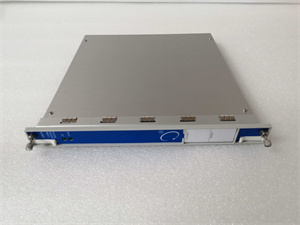
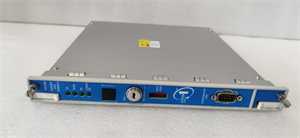
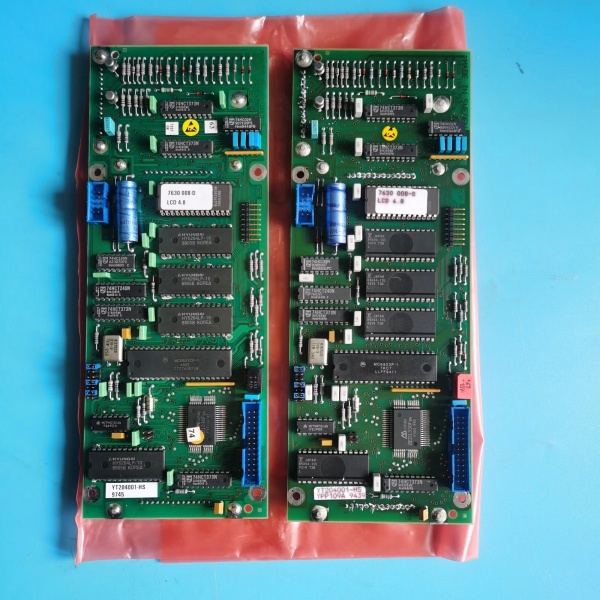
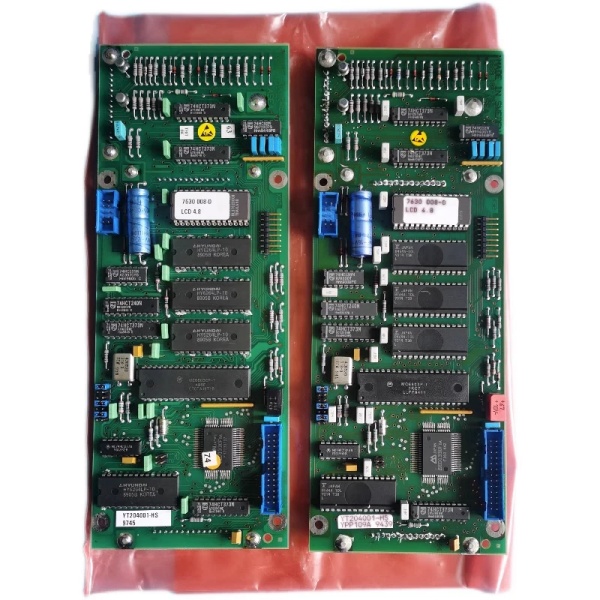
Description
Key Technical Specifications
-
Model Number: YPP109A YT204001-HS
-
Manufacturer: ABB Process Automation
-
Input Signal: 4-20mA DC (analog) + HART 7.0 (digital communication)
-
Output Signal: Pneumatic 0.2-1.0MPa (3-15psi) for valve actuation
-
Positioning Accuracy: ±0.1% of full scale
-
Response Time: < 0.3 seconds (for 90% step change)
-
Communication Protocol: HART 7.0, backward compatible with HART 5/6
-
Power Supply: 24VDC ±10% (via 4-20mA signal loop)
-
Operating Temperature: -40°C to +85°C (-40°F to +185°F)
-
Humidity Range: 0-100% RH (non-condensing)
-
Protection Rating: IP67 (enclosure), NEMA 4X
-
Certifications: UL 61010, CE, ATEX Zone 1, IECEx, SIL 2 (IEC 61508)
- Mounting: Direct mount on valve actuator (ISO 5211 compliant) or remote mount with bracket
Field Application & Problem Solved
In process industries, valve positioning accuracy directly impacts product quality and process safety—legacy mechanical positioners often drift by 1-2% of full scale, leading to overshoots in reactor pressure or flow rates. A Texas refinery once faced 2% ethanol content variability in gasoline blends due to imprecise valve control, costing $200k/month in off-spec product. Additionally, traditional positioners lack remote diagnostics; technicians had to physically visit each valve (even in hazardous zones) to troubleshoot issues like stiction, leading to 4+ hour downtime per fault.
The YPP109A solves these pain points as the “brain” of control valves. I’ve deployed it in a Gulf Coast petrochemical plant’s ethylene cracking unit, where it maintained ±0.1% positioning accuracy for feedstock control valves—cutting process variability by 60%. Its HART communication lets technicians remotely monitor valve position, actuator pressure, and诊断 faults like worn seals via the DCS, eliminating 90% of on-site troubleshooting trips. During a recent storm at an offshore platform, the positioner’s -40°C cold-start capability ensured emergency shutdown valves responded within 0.3 seconds, preventing a potential hydrocarbon leak.
Its core value lies in precision and smart connectivity. For a coal-fired power plant’s flue gas desulfurization system, the positioner’s fast response time (0.25s) kept limestone slurry flow within 0.5% of setpoint, reducing SO₂ emissions by 15%. The SIL 2 certification is critical for safety loops—replacing legacy positioners with the YPP109A let the plant avoid costly safety instrumented system (SIS) upgrades. Unlike mechanical positioners, it auto-calibrates during startup, cutting commissioning time from 2 hours to 15 minutes per valve.
Installation & Maintenance Pitfalls (Expert Tips)
Mounting Alignment Prevents Positioning Drift: Rookies mount the positioner with misaligned linkage to the valve stem, causing ±1% positioning error. The linkage must be perpendicular to the stem at mid-stroke, with no lateral force (use a feeler gauge to check). For rotating valves, ensure the feedback arm is parallel to the valve’s rotation plane. At a chemical plant, realigning 12 misinstalled positioners eliminated 90% of “hunting” in the reactor pressure control loop.
Pneumatic Tubing Installation Requires Cleanliness & Routing: Contaminated air or kinked tubing causes erratic actuation. Blow out tubing with instrument air (60psi) before connecting, and use 6mm OD tubing (minimum bend radius 30mm) to avoid restriction. Route tubing away from high-temperature pipes (>150°C) and vibrating equipment—heat degrades diaphragms, and vibration causes linkage wear. I fixed a valve stiction issue at a refinery by replacing tubing routed next to a steam line.
HART Communication Requires Proper Loop Termination: Rookies forget to install a 250Ω resistor in the HART loop, leading to communication failures. The resistor must be placed between the positive wire and the positioner’s input, not at the DCS end. For multi-drop configurations, use a dedicated power supply (24VDC/1A) and set unique HART addresses (1-15) for each positioner. A power plant’s communication outage was resolved by adding resistors to 23 positioners in the boiler feedwater system.