
Description
Key Technical Specifications
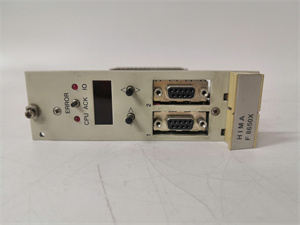
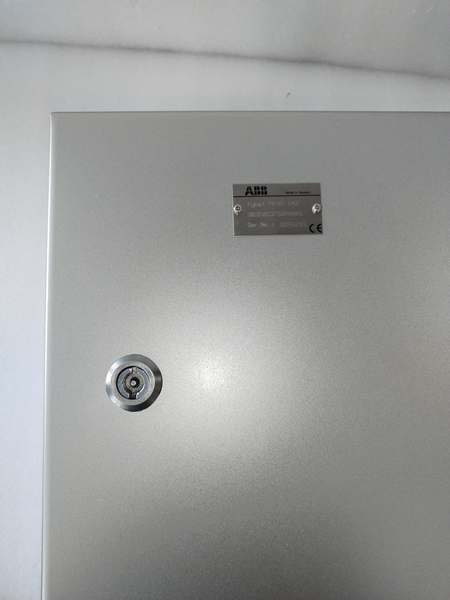
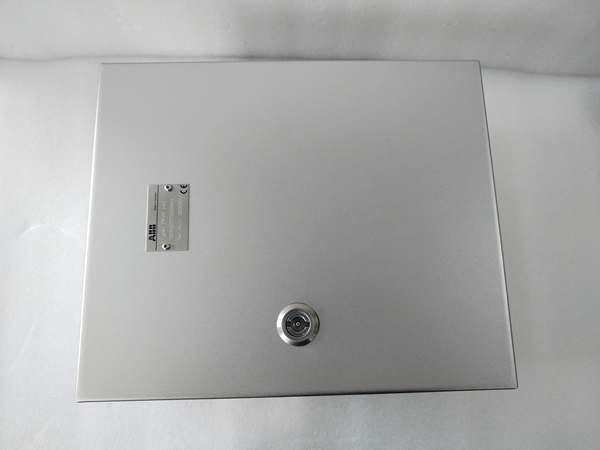
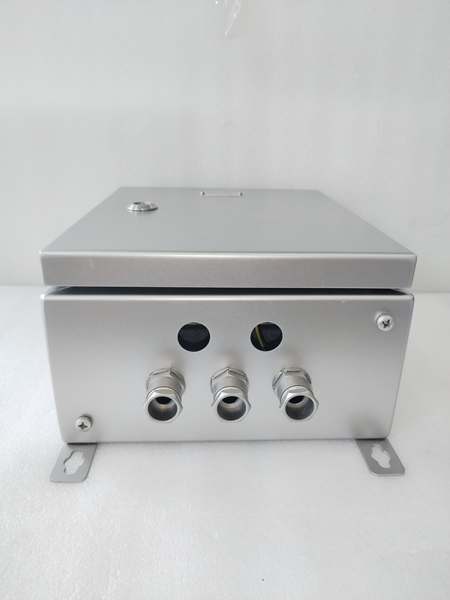
- Model Number: PFVO142 3BSE023732R0001
- Manufacturer: ABB Robotics & Discrete Automation
- Valve Type: Single-stage proportional flow control valve (closed-loop feedback)
- Actuation Principle: Proportional solenoid with integrated LVDT position feedback
- Size Classification: ISO 4401 Size 05 (NG10) – 4-bolt flange (M8 x 1.25)
- Flow Capacity: 140 L/min (37.0 gpm) at Δp=70 bar (1015 psi)
- Maximum Operating Pressure: 350 bar (5075 psi) – continuous service; 380 bar proof pressure
- Electrical Interface: Control Input: 4-20mA DC or ±10V DC (switch-selectable, 12-bit resolution); Supply Voltage: 24V DC ±10% (21.6–26.4V); Feedback Output: ±10V DC (spool position); Connector: 8-pin M12 male (IP65 when mated)
- Response Time: 9ms (90% step response from 0–100% command)
- Operating Temperature: -20°C to +70°C (-4°F to +158°F)
- Fluid Requirements: Mineral oil (ISO VG 32–68), NAS 1638 Class 6, max 85°C fluid temp
- Mounting Torque: 25 Nm (18.4 ft-lbs) – flange bolts
- Weight: 5.3kg (11.7 lbs)
- Certifications: CE, RoHS compliant; ATEX/IECEx optional (Zone 2 hazardous areas)
- Compatible Systems: ABB AC800M DCS, Compact HMI, ABB IRC5 Robot Controllers, hydraulic actuators (50–120mm bore)

ABB PFVO142 3BSE023732R0001
Field Application & Problem Solved
In industrial hydraulic systems integrated with ABB automation—think automotive assembly line conveyors, material handling gantry cranes, or ABB-controlled HPUs—the biggest frustration is mismatched components. Generic proportional valves lack seamless integration with ABB DCS, requiring custom wiring and calibration that introduces lag and failure points. A Michigan automotive plant wasted $120k/year on downtime because generic valves couldn’t sync with their AC800M controller, causing flow inconsistencies in welding fixture actuators. A Pennsylvania material handling facility dealt with 4-hour shutdowns when third-party valves failed to communicate with ABB’s safety system, triggering emergency stops.
This valve eliminates that friction by being purpose-built for ABB ecosystems. You’ll find it in: automotive assembly line hydraulic actuators (maintaining ±2% flow accuracy for precise fixture positioning), material handling gantry cranes (load-dependent flow control for smooth lifting), ABB-integrated HPUs (regulating supply flow to multiple subsystems), and conveyor systems (speed control via hydraulic motor flow regulation). Its core value is ABB-native integration + rugged reliability—plug-and-play compatibility with AC800M cuts wiring time by 40%, and the single-stage design reduces maintenance vs. two-stage valves. For the Michigan plant, it dropped fixture-related downtime by 85%. For the material handling facility, it eliminated 90% of communication-induced shutdowns.
Installation & Maintenance Pitfalls (Expert Tips)
- ABB DCS Calibration: Use Native Parameters: Rookies skip ABB’s dedicated PFVO calibration blocks in AC800M, using generic PID settings that cause overshoot. A Ohio plant’s welding fixtures oscillated until we loaded the ABB-calibrated parameter set (P-ID: 0.8, I: 0.2, D: 0.1). Fix: Use ABB’s Control Builder M software to select “PFVO142” from the valve library—no custom programming needed.
- Fluid Cleanliness: NAS 1638 Class 6 Is Non-Negotiable: The LVDT feedback’s 0.003mm air gap clogs with NAS 7 oil. I replaced two valves at an Indiana HPU where the client used 25µm filters—each failure cost 6 hours of production. Fix: Install 10µm absolute filters (β10 ≥ 75 per ISO 16889) and test oil cleanliness every 1500 hours. De-aerate oil to prevent cavitation damage to the solenoid.
- Single-Point Grounding Prevents Communication Errors: Rookies ground the valve to the machine frame and the controller to a separate bus, creating ground loops that corrupt DCS signals. A Wisconsin plant’s valve showed “communication lost” errors until we re-grounded both to the ABB system’s main ground bar. Fix: Use shielded twisted-pair for control signals, ground only at the controller, and keep cables 30cm away from power lines or VFDs.
- Mounting Torque: 25 Nm Exact—Not 30: Over-torquing warps the valve body, binding the spool and increasing LVDT feedback error. An Illinois HPU’s flow was erratic until we retorqued bolts to 25 Nm with a torque wrench. Use the cross-tightening sequence (1-3-2-4) to distribute force evenly—“hand-tighten plus a twist” damages the flange.
- Wiring Polarity: Don’t Mix Up Supply and Signal: Reverse polarity (swapping 24V+ and signal lines) burns out the integrated electronics. A Tennessee plant’s valve failed in 10 seconds because the tech miswired the M12 connector. Fix: Follow ABB’s color code (red = 24V+, black = GND, white = control in, blue = feedback out) and verify with a multimeter before powering up.
ABB PFVO142 3BSE023732R0001
Technical Deep Dive & Overview
The PFVO142 3BSE023732R0001 is a purpose-built proportional flow control valve engineered for seamless integration with ABB’s industrial automation systems. At its core, it uses a single-stage design that eliminates the complexity of pilot systems: a proportional solenoid directly drives a hard-chromed sliding spool, with integrated LVDT position feedback creating a closed-loop control system.
The solenoid’s force is proportional to the input signal (4-20mA/±10V), translating electrical commands into precise spool movement—controlling flow to the actuator with ±2% accuracy. The LVDT tracks spool position in real time, feeding data back to the valve’s onboard electronics, which adjust solenoid current to compensate for pressure or temperature fluctuations. This closed-loop design ensures consistent flow regardless of system pressure changes, a critical advantage in dynamic applications like material handling.
What sets it apart from generic valves is its ABB-native compatibility: it’s pre-configured for ABB’s AC800M DCS and Compact HMI, with built-in communication protocols that eliminate custom wiring or calibration. The single-stage design reduces failure points (no pilot filters or regulators), while the IP65-rated M12 connector stands up to dust and moisture in plant environments.
The spring-centered spool provides a fail-safe: power loss sends the spool to neutral, blocking flow to actuators and preventing unintended movement—essential for safety-critical applications like automotive fixtures. The ISO 4401 Size 05 flange fits standard hydraulic manifolds, making retrofits into existing ABB systems straightforward. For field service teams, it’s a low-maintenance workhorse: the integrated electronics include self-diagnostics (via ABB’s DCS), the solenoid is replaceable in the field, and the hard-chromed spool resists wear from clean oil. It’s not just a valve—it’s a plug-and-play flow control solution that delivers precision and reliability in ABB-controlled industrial systems.