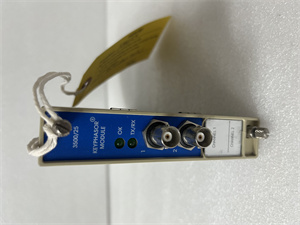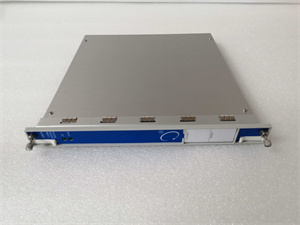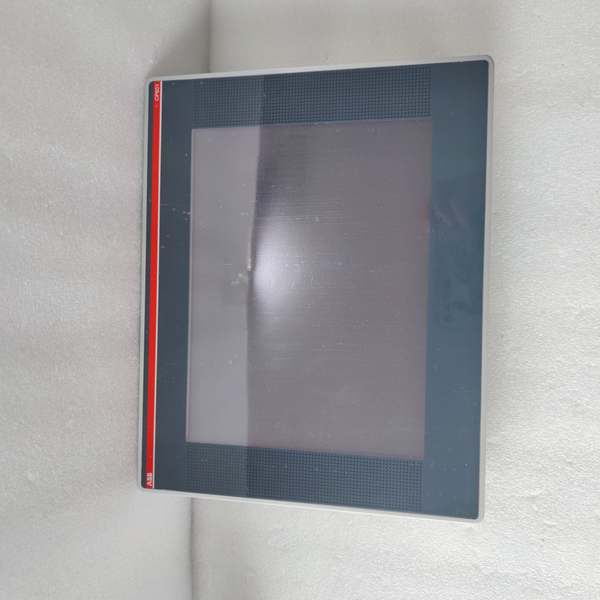
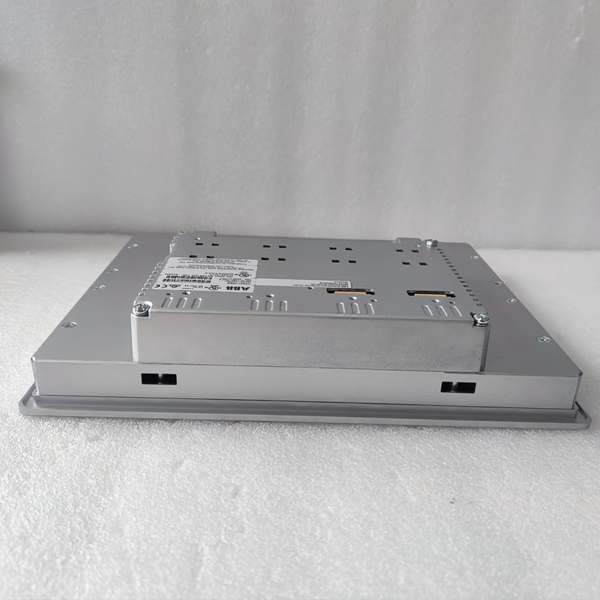
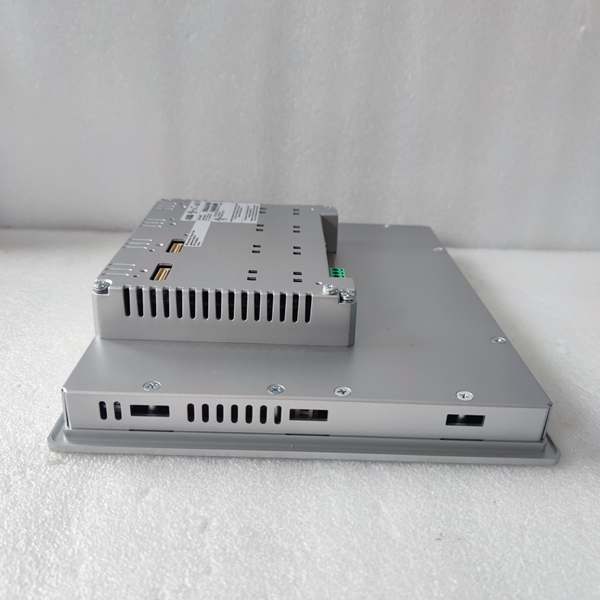
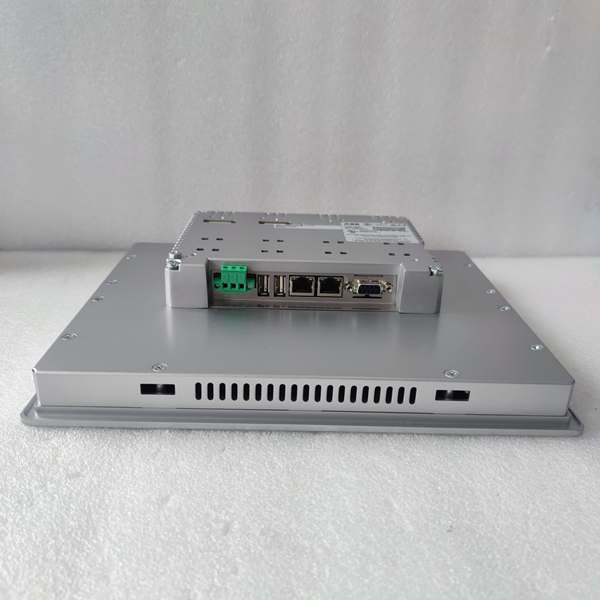
Description
Key Technical Specifications
- Model Number: CP651
- Manufacturer: ABB Industrial Automation Division
- Protocol Support: Ethernet/IP (scanner/adapter), Profinet IO (controller/device), Modbus TCP (client/server), UDP/IP, TCP/IP
- Communication Ports: 2 × RJ45 Ethernet (10/100Mbps auto-negotiation, full/half-duplex), 1 × RS485 serial (Modbus RTU)
- Power Supply: 24VDC ±10% (from AC500 PLC backplane); 0.1A typical current draw
- Operating Temperature: -25°C to +60°C (-13°F to +140°F)
- Isolation Rating: 1kV AC (Ethernet/serial ports to PLC backplane)
- Max Nodes: 64 Ethernet/IP devices (scanner mode); 128 Profinet IO devices (controller mode)
- IP Configuration: Static/DHCP (configurable via AC500 Control Builder Plus)
- Certifications: CE, UL 508, IEC 61131-2, RoHS 2.0, Ethernet/IP conformance, Profinet IO certification
- Compatibility: ABB AC500-eCo (PM554/PM564), AC500-S (PM581/PM583) PLCs, third-party Ethernet/IP/Profinet devices, SCADA systems (Ignition, Wonderware)
- Diagnostic Capability: Link status LEDs, protocol error logging, connection health monitoring (via PLC CPU)
- Mounting Type: Plug-in module (AC500 PLC rack, 1U height)

ABB CP651
Field Application & Problem Solved
In manufacturing environments—automotive assembly, food processing, packaging lines, and material handling—ABB AC500 PLCs are workhorses, but they need flexible communication to connect to diverse factory systems. The biggest field challenge is finding a communication module that supports multiple industry protocols without compatibility headaches or external gateways. Generic modules fail to integrate with AC500’s backplane, causing protocol conflicts, data latency, and unplanned downtime. A Wisconsin packaging plant lost $65k in a 2.5-hour outage when a generic module failed to sync an AC500 PLC with Ethernet/IP-enabled conveyors. A North Carolina food processor spent $28k annually on gateways to bridge Profinet sensors to their AC500 system, leading to 1 hour of monthly downtime from translation delays.
You’ll find this module in AC500 PLC racks across: automotive body shops (connecting to welding robots via Profinet), beverage bottling lines (Ethernet/IP for filler machines), and pharmaceutical packaging systems (Modbus TCP for SCADA monitoring). Its core value is ABB-native integration + multi-protocol flexibility + rugged reliability. Unlike generics, it communicates directly with the AC500 CPU via the backplane, eliminating driver conflicts. For a Michigan auto supplier, the CP651’s dual Ethernet ports enabled redundant network connections, preventing a repeat of a 3-hour downtime event caused by a single network failure.
Installation & Maintenance Pitfalls (Expert Tips)
- Protocol Role Misconfiguration: Rookies set the module to “Ethernet/IP Adapter” instead of “Scanner” (or vice versa), breaking PLC-device communication. An Ohio automotive plant’s conveyors didn’t respond until the role was corrected in Control Builder Plus. Verify the device’s protocol role (e.g., Profinet IO Device for a sensor) and match the module’s settings—use ABB’s protocol configuration wizard to avoid errors.
- Firmware Mismatch with AC500 CPU: Outdated CP651 firmware (pre-v4.0) doesn’t support AC500-S PLCs (PM583), causing backplane communication failures. A Pennsylvania manufacturer’s technicians spent 6 hours troubleshooting until they updated the module to v4.3 via Control Builder Plus. Always check ABB’s compatibility matrix—firmware must match the PLC’s CPU version.
- Incorrect Grounding of Shielded Cables: Unproperly grounded Ethernet cables pick up noise from VFDs, leading to intermittent “timeout” faults. A Florida bottling plant’s PLC lost communication with fillers hourly until shields were grounded at the module end only. Use shielded Cat5e/Cat6 cable and avoid daisy-chaining grounds with power circuits.
- Ignoring Diagnostic Data: Rookies overlook the module’s error logs, missing early warnings of network issues. A Texas packaging plant’s Profinet sensors dropped offline repeatedly until technicians reviewed the CP651’s logs and identified a faulty switch port. Enable diagnostic data forwarding to the PLC’s HMI for real-time alerts.
- Overloading Protocol Bandwidth: Running too many devices on a single protocol (e.g., 80 Ethernet/IP devices on one CP651) causes data collisions. A Indiana electronics plant’s SCADA readings were delayed until they split devices across two CP651 modules. Stay below the module’s max node count (64 for Ethernet/IP, 128 for Profinet) to maintain performance.
ABB CP651
Technical Deep Dive & Overview
The ABB CP651 is a dedicated communication processor engineered to extend the connectivity of ABB’s AC500 PLCs, eliminating the need for external gateways or custom drivers. At its core, a 32-bit microprocessor handles protocol translation and data routing, offloading communication tasks from the PLC’s main CPU to avoid scan time overruns. The module plugs directly into the AC500’s backplane, using ABB’s proprietary interface to exchange data with the CPU—ensuring low latency (<10ms) and reliable communication.
Unlike generic communication modules, the CP651 natively supports three industry-standard protocols (Ethernet/IP, Profinet IO, Modbus TCP) and a serial Modbus RTU port, making it versatile for mixed-protocol factories. The dual Ethernet ports enable redundant network configurations (e.g., ring topology) or separation of control and monitoring networks. The module’s 1kV AC isolation blocks electrical interference from industrial equipment, a critical feature in noisy environments like automotive plants or packaging lines.
What sets it apart is its seamless integration with the AC500 ecosystem. Configuration is done via ABB’s Control Builder Plus software—no third-party tools required—and diagnostic data is accessible directly from the PLC’s HMI. The CP651’s rugged design (conformal-coated PCB, wide temperature range) withstands dust, vibration, and temperature extremes common in manufacturing. For facilities relying on AC500 PLCs, this module isn’t just a communication interface—it’s a cost-effective, flexible solution that keeps factory systems connected reliably, reducing downtime and simplifying maintenance.