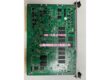
Product Core Brief
- Model: VE4026
- Brand: Emerson (DeltaV)
- Series: DeltaV DCS / Virtual I/O
- Core Function: Virtual I/O module that simulates discrete or analog input/output points in software without requiring physical field wiring or hardware terminals.
- Product Type: Virtual I/O Module
- Key Specs: Software-Defined Points | No Physical I/O | DeltaV Native Integration
- Condition: New Surplus / OEM Original
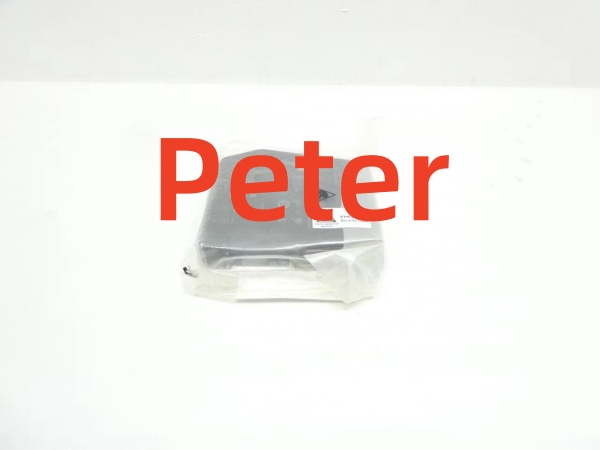
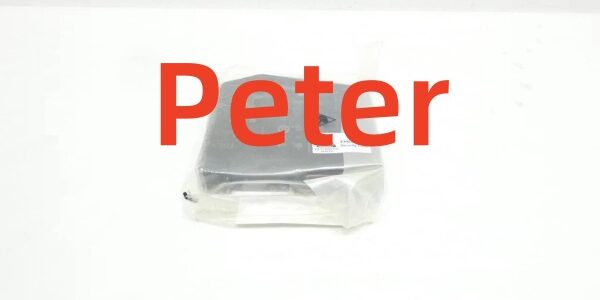
Emerson VE4026
Key Technical Specifications
- Module Type: Virtual I/O Card
- Part Number:
- I/O Type: Configurable as Discrete or Analog (Virtual)
- Physical Terminals: None (Software-only)
- System Compatibility: Emerson DeltaV DCS, Series 1/2/3 Controllers
- Configuration: DeltaV Explorer / Control Studio
- Use Cases: Internal calculations, logic flags, operator setpoints, HMI-only tags
- Diagnostics: Full DeltaV diagnostic integration
- Certification: CE (Software-defined, no field safety certification required)
Product Introduction
The Emerson is a unique Virtual I/O Module within the DeltaV ecosystem, designed to provide flexible, software-defined I/O points without any physical field connections. Unlike traditional I/O cards that interface with sensors and actuators, the exists entirely within the DeltaV controller’s memory, allowing you to create internal tags for logic flags, calculated values, operator-entered setpoints, or HMI-only indicators.
This module is essential for optimizing DeltaV licensing and I/O card utilization. Instead of wasting expensive physical I/O channels on internal process variables, the lets you allocate virtual points dynamically. It integrates seamlessly with DeltaV Control Studio, Explorer, and Live Graphics, behaving exactly like a physical I/O point from the operator’s and engineer’s perspective, but with zero wiring, zero field failures, and instant configuration changes.
QA & Testing SOP
Virtual I/O modules are software-defined, but we verify their integration and licensing functionality.
- Anti-Counterfeit & Visual Audit: We inspect the Emerson/DeltaV silkscreen, verify the part number, and check the backplane connector for physical damage (even though it’s virtual, the card must seat correctly).
- Backplane Enumeration Test: We install the module in a DeltaV test carrier to verify it correctly enumerates and is recognized by the controller.
- Virtual Point Creation Test: We configure test discrete and analog virtual points in DeltaV Explorer to confirm they can be created, forced, and linked to control strategies.
- HMI Integration Validation: We verify that virtual points appear correctly in Live Graphics and can be used in operator displays without communication errors.
- ESD Safe Packaging: While primarily a software enabler, the card’s backplane interface is ESD sensitive. We pack in anti-static shielding with desiccant.
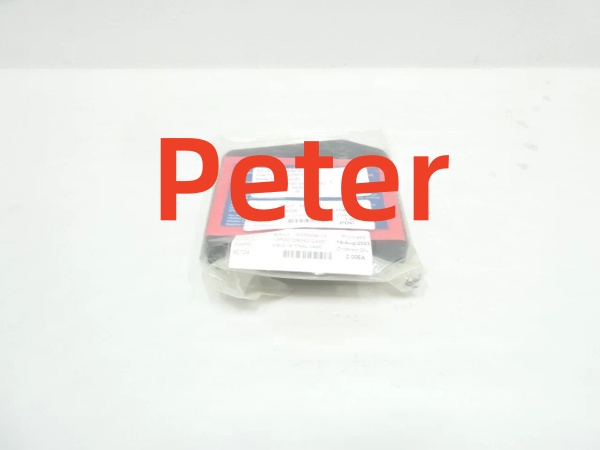
Emerson VE4026
Installation Pitfalls & Guide
❗ Not for Field Signals: The has no physical terminals and cannot connect to field devices. Attempting to wire sensors or actuators to this module is impossible and will cause confusion. Use physical I/O modules for field connections.
❗ Licensing Awareness: Virtual I/O points still consume DeltaV I/O licensing. Ensure you have sufficient virtual I/O licenses in your DeltaV system before deploying large numbers of points.
❗ Documentation Clarity: Clearly document virtual points in your control narratives and HMI designs. Operators and engineers may assume a tag is physical if not explicitly labeled as virtual, leading to troubleshooting confusion.
❗ Controller Memory: Virtual points consume controller memory. While minimal per point, large deployments should be reviewed for memory impact, especially on older DeltaV controllers.
Replacement SOP:
- Pre-Install: Document the virtual point configuration and associated control strategies; place the controller in maintenance mode if required.
- Removal: Power down the carrier (if hot-swap is not supported for virtual I/O); release the module from the carrier.
- Install: Slide the new into the designated slot; ensure firm backplane seating.
- Power-On Test: Restore power; verify the controller recognizes the module; confirm virtual points are accessible in Explorer and HMI before returning to service.
Technical FAQ
is a virtual I/O module with no physical field connections. It creates software-only tags for internal use. Physical I/O modules (e.g., VE4003S2B3) have terminals for connecting field sensors and actuators. They serve fundamentally different purposes.
No. Virtual I/O is not suitable for safety instrumented functions (SIF) or any signal requiring field isolation, SIL rating, or physical redundancy. Safety signals must use certified physical I/O modules with appropriate diagnostics.
No. Virtual I/O is purely software-based and does not support fieldbus protocols. HART/FF devices require dedicated physical interface modules.
The number of virtual points depends on your DeltaV licensing and controller capacity, not the physical card. A single card can typically support hundreds of virtual points, limited only by system resources.
Why is this sold as new surplus?
This unit was pulled from sealed OEM overstock or an unfulfilled project before installation. We test it on our DeltaV test carriers to verify enumeration and virtual point functionality, but we aren’t replacing internal components. You’re getting unused factory hardware with original manufacturing tolerances at a fraction of the active OEM list price.