Product Core Brief
- Model:
- Brand: ICS Triplex (Rockwell Automation)
- Series: Trusted™ TMR system
- Core Function: Main processor of the Trusted system — executes control logic, processes data from analog/digital I/O modules across the TMR inter-module bus, and provides system control, monitoring, and diagnostics
- Product Type: TMR processor module / safety controller
- Key Specs: Triple modular redundancy (TMR), 3-2-0 fault tolerance | HIFT architecture | IEC 61508 SIL 3 certified | hot-swap without program reload
- Condition: New Original / New Surplus
Key Technical Specifications
| Category | Parameter | Value |
|---|---|---|
| Identification | Model | |
| Identification | Brand / Platform | ICS Triplex (Rockwell Automation) / Trusted TMR |
| Identification | Revision | VERIFY — confirm from nameplate |
| Architecture | Redundancy | TMR, three independent channels, 2oo3 voting (3-2-0) |
| Safety | Integrity Level | IEC 61508 SIL 3 certified |
| Fault Handling | HIFT | Hardware-Implemented Fault Tolerance; fast fault detection, automatic fault handling without nuisance alarms, timestamped fault history |
| Programming | Language | IEC 61131-3 |
| Interfaces | Serial / Diagnostics | On-board RS232 diagnostic port for monitoring, configuration, programming |
| Interfaces | Field Comms | Two RS422/485 configurable 2- or 4-wire; one RS485 2-wire |
| Timing | Time Sync | IRIG-B002 and B122 time synchronization signals |
| Maintenance | Hot Swap | Hot replacement without program reload |
| Indicators | Status LEDs | Front-panel module status indication; primary/standby processor fault contacts |
| Applications | Typical Use | SIS, F&G, process control in oil & gas, petrochemical, power generation |
| Supply | Availability Status | Legacy / obsolete stock |
Product Introduction (No Fluff)
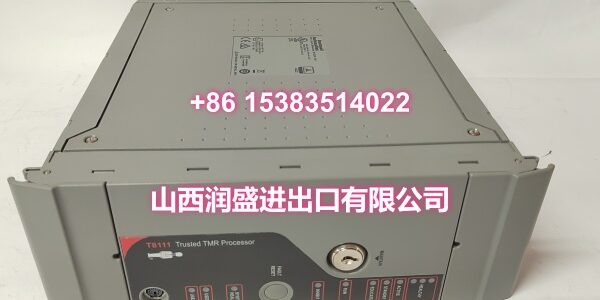
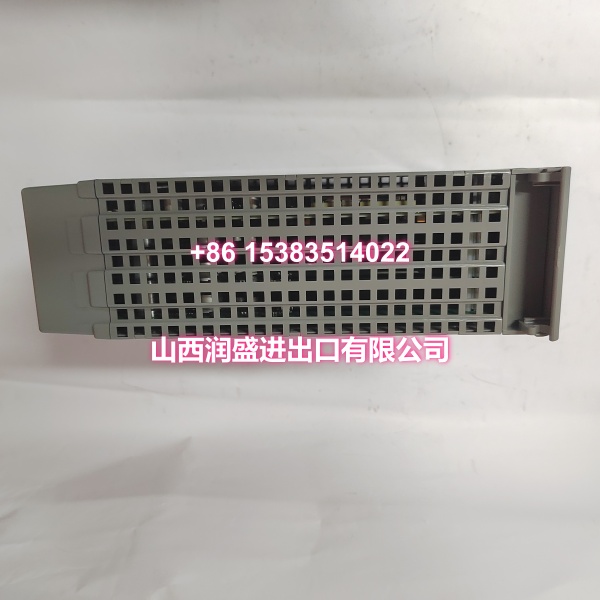
The ICS Triplex T8111C is the processor at the heart of a Rockwell Trusted TMR system. It runs the control logic, ingests data from the analog and digital I/O modules over the TMR bus, and keeps the whole safety system coordinated. Three independent channels execute the same task in parallel and vote on the result, so a single hardware failure neither stops the process nor produces a wrong output.
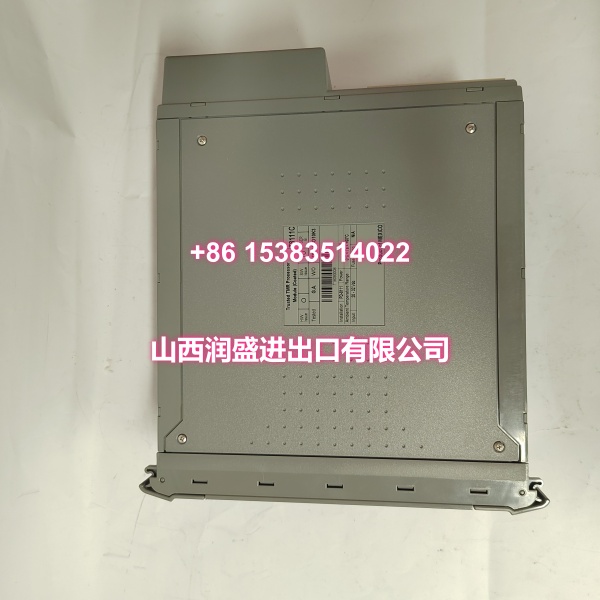
Two things decide whether a replacement works. First, the module type — “T8111C” is mislabeled in circulation as a digital input or thyristor card, and it is neither; it is the CPU. Second, the revision on the nameplate, because a mismatched revision may reject the existing configuration. Bottom line: confirm the full nameplate string, not just the model prefix.
QA & Testing SOP
- Anti-counterfeit intake. Nameplate photographed under raking light; model, revision, and serial checked for consistent laser depth. Counterfeits fail on the trailing characters.
- Connector and board inspection. Edge connectors and backplane pins checked for bending, oxidation, and heat discoloration. A single damaged pin on a TMR processor mimics a field fault.
- Rack power-up. Installed in a known-good Trusted test rack. Startup sequence and front-panel LED states (MAINTAIN / STANDBY / ACTIVE, etc.) compared against the manual’s expected pattern.
- Function verification. Control logic exercised through a documented test sequence; RS232 diagnostic port and RS422/485 channels polled and confirmed to respond; time-sync input verified.
- ESD-safe packing. Anti-static bag, foam cradle, humidity indicator, sealed and photographed before dispatch.
Installation Pitfalls & Guide
❗ Module type confusion. Do not order this as a digital input card. T8111C is the Trusted processor. Confirm against the removed unit’s nameplate.
❗ Revision mismatch. Confirm the revision before ordering. A physically compatible module with the wrong revision may not boot or may reject the loaded configuration.
❗ Configuration is not stored on the module. A replacement boots with defaults. Restore the engineered Trusted configuration and program before energizing.
❗ Redundancy state. On a live SIS, identify which processor is ACTIVE before removal. Swapping the wrong channel forces an unplanned switchover.
❗ Hot-swap discipline. Hot replacement is supported, but only per the documented procedure — wrong slot or wrong bay can take down a redundant leg.
Replacement sequence:
- Pre-install — photograph slot position, jumpers, and cabling; export the configuration and program.
- Removal — follow the documented hot-swap or de-energize procedure; label every cable.
- Install — seat fully, restore jumpers and grounding, torque to spec.
- Commissioning — cold boot, load configuration, validate each I/O channel against a known reference, confirm the module reports ACTIVE/healthy on all three legs, then return the safety function to service.
Technical FAQ
Is pricing negotiable on volume? On legacy TMR stock, price follows availability rather than quantity. Tell us your real requirement up front.
What warranty applies? Twelve months on New Original. Six months on New Surplus. We state the difference rather than bury it.
Is T8111C a digital input module? No. It is the Trusted TMR processor. Digital input duty belongs to other modules in the Trusted I/O family.
Will any Trusted processor swap into my rack? No. Revision and platform generation both matter, and SIL certification depends on the exact configuration. Match the complete part number and revision.
Why not migrate to a current Rockwell safety platform? Because a newer platform changes I/O architecture, wiring, and commissioning — that’s an engineering project with a schedule, not a purchase order. If you want that path, we’ll scope it honestly.