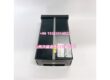
Product Core Brief
- Model: IMASI23
- Brand: ABB
- Series: Bailey Infi 90 / Harmony rack I/O
- Core Function: 16-channel universal analog input module that converts field signals to digital values for Infi 90 controllers.
- Product Type: Analog input module
- Key Specs: 16 independent channels | 24-bit resolution | TC/mV/RTD/mA/V inputs
- Condition: New Original / New Surplus (subject to available stock)
Key Technical Specifications
| Parameter | Detail |
|---|---|
| Product Type | Universal analog input module |
| Compatible System | ABB Bailey Infi 90 / Harmony rack |
| Channels | 16 independent analog inputs |
| Resolution | 24-bit ADC per channel |
| Accuracy | ±0.1% of full scale |
| Supported Inputs | Thermocouple, mV, RTD, 4-20 mA, 0-10 V, ±10 V |
| Channel Configuration | Per-channel independent configuration |
| Isolation | Channel-to-channel and channel-to-power isolation |
| Mounting | Harmony rack / backplane module |
| Typical Use | Temperature, pressure, flow, and process variable monitoring |
| Packaging | Anti-static, industrial shipping pack |
| Availability | In-stock surplus / OEM replacement |
Product Introduction (No Fluff)
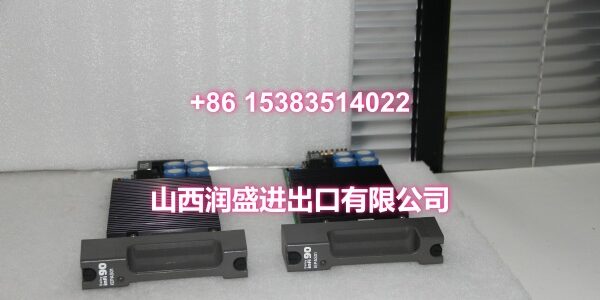
The ABB IMASI23 is a 16-channel universal analog input module for Bailey Infi 90 and Harmony rack systems. It accepts thermocouple, mV, RTD, current, and voltage signals, then converts them into digital values for process controllers.
Each channel has its own ADC, so configuration and scaling can be handled independently. That matters when a single rack mixes temperature loops, pressure transmitters, and flow meters. It keeps wiring simpler and reduces the need for dedicated single-purpose input cards.
QA & Testing SOP (Dynamic & Transparent)
Analog input modules fail in subtle ways. We test for accuracy, not just power-on.
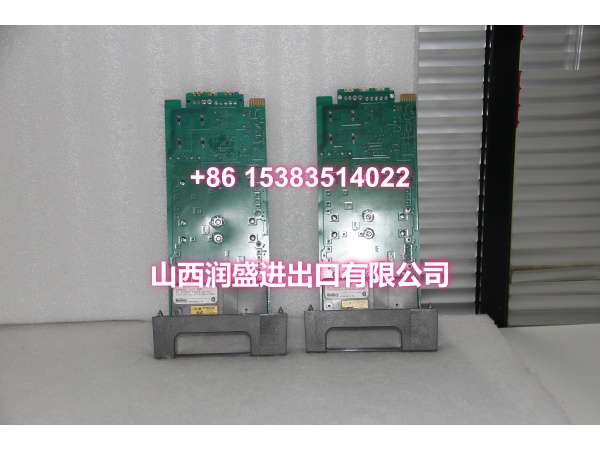
- Incoming inspection: Verify model marking, firmware label, connector condition, and backplane pins. Check for corrosion, bent pins, or prior repair signs.
- Anti-counterfeit check: Inspect PCB finish, label formatting, serial consistency, and connector quality. Compare against known OEM characteristics.
- Power-up and self-test: Seat the module in a test rack, apply backplane power, and confirm normal LED behavior and module initialization.
- Signal injection test: Inject known 4-20 mA, 0-10 V, mV, and simulated TC/RTD signals across multiple channels. Verify reading stability and scaling against a calibrated source.
- Cross-channel verification: Spot-check adjacent channels for crosstalk, drift, and open-circuit detection. Confirm isolation behavior where test fixtures allow.
All units are packed in anti-static bags with connector protection. If firmware or hardware revision matters for your application, send the existing label photo before ordering.
Installation Pitfalls & Guide (Engineer to Engineer)
This is an analog input card. Noise, grounding, and wiring discipline matter more than with digital modules.
❗ Do not mix shield grounds carelessly. Shielded analog cables should be grounded at one end unless the system design specifies otherwise. Ground loops create false readings.
❗ Confirm channel type before commissioning. A channel configured for TC but wired to a 4-20 mA transmitter will not read correctly, even if the module powers up normally.
❗ Watch for open thermocouple faults. An unconnected TC input can drift or flag a fault. Verify termination blocks and cold-junction compensation requirements.
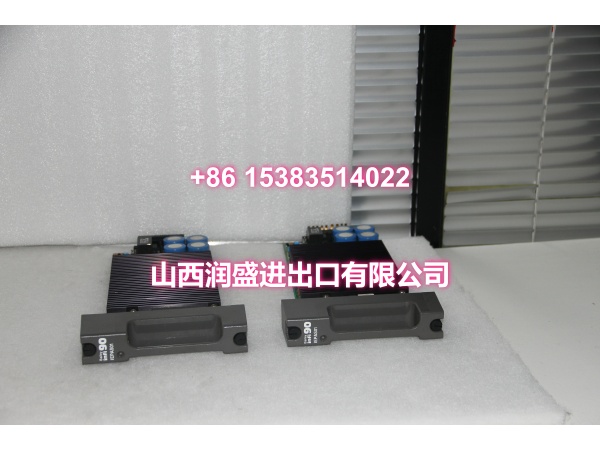
❗ Handle backplane pins gently. Forcing the module can bend pins and create intermittent channel failures that look like field wiring problems.
Replacement steps
- Pre-install: Document existing channel assignments, ranges, and alarm limits.
- Removal: If the process allows, place affected loops in manual. Remove the module from the rack carefully.
- Install: Inspect backplane contacts, seat the module fully, and verify terminal block wiring matches the channel configuration.
- Power-on test: Force known signals at the terminal block, compare readings to the controller display, and confirm alarm behavior before returning to automatic control.
Technical FAQ
Is the IMASI23 still available?
Yes, we carry it as new surplus and OEM replacement stock. Quantities vary by batch, so confirm availability before scheduling maintenance.
Can it replace older analog input modules directly?
Often yes, within the same Harmony/Infi 90 rack family. Still verify channel count, input types, and configuration software compatibility against your existing setup.
What is the warranty?
Surplus units typically carry 30–90 days depending on condition. New original stock may qualify for longer coverage. The exact term is stated on the quote.
Does it support thermocouples and RTDs at the same time?
Yes. Each channel can be configured independently, so TC, RTD, mA, and voltage inputs can coexist on the same module.
Can you provide a test report?
Yes, on request. We can document channel checks, signal injection results, and visual inspection notes before shipping.