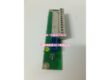
Product Core Brief
- Model: DSAI133A
- Brand: ABB
- Series: ABB Advant Master DSA Series
- Core Function: High-density 32-channel analog input module for converting field sensor signals (temperature, pressure, flow, etc.) into digital data for DCS process control systems.
- Product Type: Analog Input Module (AI Board)
- Key Specs: 32 Input Channels | ±10V / ±20mA Input Range | 12-Bit Resolution | Single-Ended Configuration | 24VDC Power Supply
- Note: Condition: New Original (New Surplus). Origin: Sweden/Switzerland.
Key Technical Specifications
| Parameter | Value |
|---|---|
| Manufacturer Part Number | 3BSE018290R1 |
| Device Model | |
| Device Type | Analog Input Module |
| Series | ABB Advant Master DSA Series |
| Number of Input Channels | 32 |
| Input Range | ±10V, ±20mA (configurable per channel) |
| Resolution | 12-bit |
| Configuration | Single-ended input |
| Operating Temperature Range | -40°C to +70°C |
| Power Supply | 24VDC |
| Communication Interface | Backplane bus interface |
| Typical Applications | Temperature, pressure, flow, and level measurement in process control, chemical, oil & gas, power generation, and water treatment |
| Origin | Sweden/Switzerland |
| Condition | New Original (New Surplus) |
Product Introduction
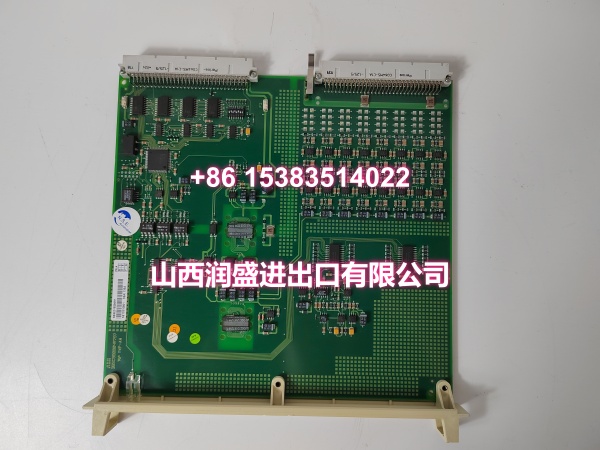
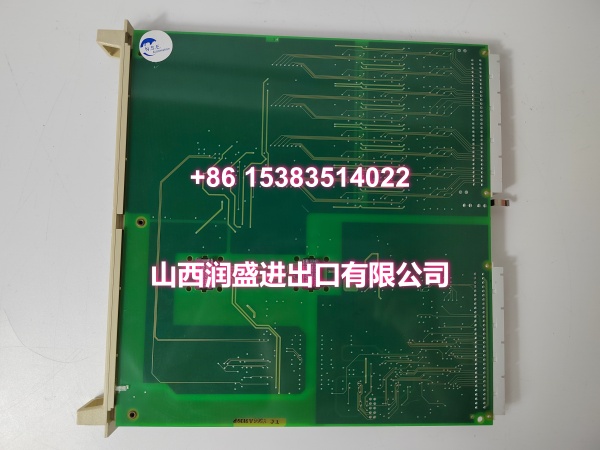
The ABB DSAI133A (order code 3BSE018290R1) is a high-density 32-channel analog input module from ABB’s Advant Master process control system. It is designed to convert analog signals from industrial field sensors—such as temperature, pressure, flow, and level transmitters—into digital data for acquisition and processing by the upper-level DCS control system.
With 32 independent input channels supporting ±10V and ±20mA signal ranges, the DSAI133A enables very high-density signal acquisition in a single module slot, significantly reducing cabinet space requirements and wiring complexity compared to lower-channel-count alternatives. The 12-bit resolution combined with single-ended input configuration ensures reliable measurement data for critical process control loops. The module is designed with industrial-grade components to withstand harsh operating conditions, with an operating temperature range of -40°C to +70°C.
The DSAI133A is part of ABB’s established DSA series I/O modules, which integrate seamlessly with the Advant Master control architecture. It communicates with the DCS controller via the backplane bus and supports configuration through ABB’s Control Builder M engineering software for channel setup, range calibration, and diagnostic monitoring.
For engineers maintaining or upgrading legacy Advant Master installations, the DSAI133A is a direct drop-in replacement for failed or end-of-life analog input boards. Its modular design and standardized form factor ensure compatibility with existing backplane and termination unit hardware, avoiding costly mechanical rework or system redesign.
QA & Testing SOP
Every unit goes through a structured verification process before shipment:
- Visual Inspection: Check the module housing for cracks, corrosion on connector pins, and physical damage to the PCB. Verify that all channel terminal blocks are intact and undamaged.
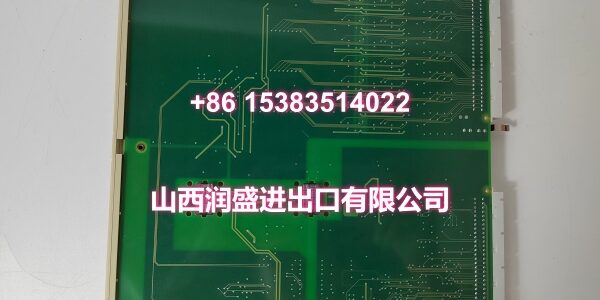
- Connector Pin Verification: Inspect the backplane connector pins for straightness, corrosion, or bending. Bent pins cause poor contact with the backplane, leading to intermittent communication failures or channel dropouts.
- Power-On Self-Test: Apply 24VDC power and verify that the module’s status LED indicates normal operation. A red or flashing LED indicates a hardware fault or configuration error.
- Channel Accuracy Test: Where test infrastructure allows, inject a known standard signal into each channel and verify the digital output value matches the expected reading within tolerance. This confirms the ADC and signal conditioning circuits are functioning correctly.
- Unused Channel Configuration: Verify that any unused input channels are properly configured as “unused” in the system settings and shorted to AGND to prevent floating inputs from generating false readings or noise interference.
- Anti-Counterfeit & Packaging: Verify authenticity markings on the module body and PCB. Each unit is shipped in anti-static protective packaging with desiccant to prevent moisture absorption and connector oxidation during transit.
Installation Pitfalls & Guide
Replacing a DCS analog input module requires careful attention to electrical safety and configuration consistency.
❗ Power-Down & ESD Precautions: Always disconnect power to the rack and verify zero voltage before removing or inserting the module. Wear a properly grounded anti-static wrist strap—electrostatic discharge can damage the sensitive ADC chips and internal circuitry. Never hot-swap the module unless the system explicitly supports it and you have confirmed the backplane is designed for live insertion.
❗ Backplane Connector Alignment: When inserting the module into the backplane slot, ensure the connector pins are perfectly aligned before applying force. Forcing a misaligned module can bend pins, causing permanent damage to both the module and the backplane. Listen for the “click” that confirms the module is fully seated and locked.
❗ Unused Channel Handling: Any input channels not connected to field sensors must be configured as “unused” in the DCS configuration software and shorted to AGND (analog ground). Floating unused channels can pick up electromagnetic interference and generate false readings that may trigger spurious alarms or affect control loop stability.
❗ Signal Wiring Separation: Route signal cables separately from power cables, maintaining at least 30cm distance to prevent electromagnetic interference. Use shielded twisted-pair (STP) cables for analog signal connections, with the shield grounded at one end only (preferably at the control cabinet grounding bar).
❗ Configuration Consistency: Before replacing a failed module, document the existing channel configuration (signal type, range, engineering unit scaling) from the DCS configuration software. After installing the new module, verify that all channel settings match the original configuration to ensure seamless integration without control loop disruption.
4-Step Replacement Guide:
- Pre-install: Document the existing channel configuration from the DCS software. Back up the current project. Verify the replacement module’s part number (3BSE018290R1) matches the original. Prepare anti-static protection and tools.
- Removal: Disconnect power to the rack. Wear an anti-static wrist strap. Loosen the module retention screws. Gently pull the module straight out of the backplane slot. Inspect the backplane connector for damage.
- Install: Align the new module’s connector with the backplane slot. Push firmly and evenly until you hear the “click” confirming full seating. Tighten the retention screws. Reconnect power.
- Power-on Test: Apply power and verify the module’s status LED indicates normal operation. Enter the DCS diagnostic screen and confirm no hardware fault codes. Inject standard test signals into each channel and verify the HMI display values match within tolerance. Return to normal operation only after all channels pass verification.
Technical FAQ
1. What’s the difference between DSAI130D and DSAI133A? The DSAI130D is a 16-channel analog input module with differential input configuration and 12-bit resolution, supporting ±10V/±10mA ranges. The DSAI133A is a 32-channel module with single-ended input configuration and 12-bit resolution, supporting ±10V/±20mA ranges. The DSAI133A offers double the channel density but uses single-ended inputs, which may be more susceptible to common-mode noise in electrically noisy environments. Choose based on your channel count requirements and noise environment.
2. Can I substitute DSAI130D for DSAI133A or vice versa? No. Although both belong to the same DSA series, they have different channel counts (16 vs. 32), input configurations (differential vs. single-ended), and signal ranges. Substituting one for the other will cause configuration incompatibility, incorrect channel mapping, and potential measurement errors. Always match the exact part number for replacement.
3. What’s the difference between DSAI133 and DSAI133A? The “A” suffix typically indicates a specific hardware revision or firmware version within the DSAI133 family. Different suffixes may have variations in supported signal ranges, filtering options, or communication protocols. Always verify the complete part number (including suffix) against your system’s hardware configuration before ordering a replacement.
4. What is the DSAI133N and how does it differ from DSAI133A? The DSAI133N is a safety-rated version of the DSAI133, designed for use with ABB’s Safeguard 400 series safety systems. It includes additional diagnostic features such as cyclic testing and test value discrimination to meet safety integrity level (SIL) requirements. The DSAI133A is a standard (non-safety) analog input module for general process control applications. Do not substitute a standard module for a safety-rated one in safety-critical applications.
5. What’s the difference between New Surplus and Refurbished for DCS modules? We supply this unit as New Original (New Surplus)—unused, original factory stock. This comes with a standard 12-month warranty. Refurbished DCS modules carry risks including degraded ADC performance from previous overvoltage events, worn connector pins from previous insertion cycles, and undocumented firmware version mismatches. Refurbished units typically come with 30-90 day limited warranties that don’t cover latent measurement drift or intermittent communication failures.