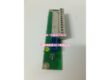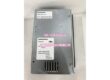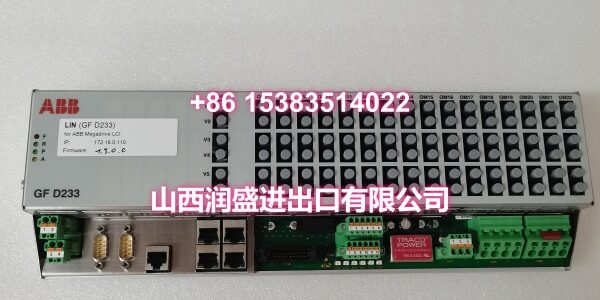
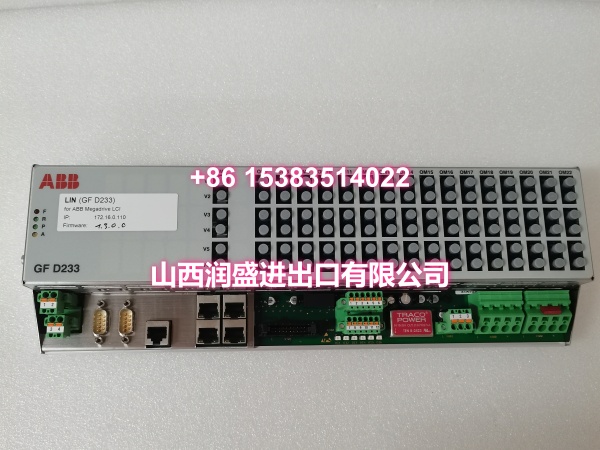
Product Core Brief
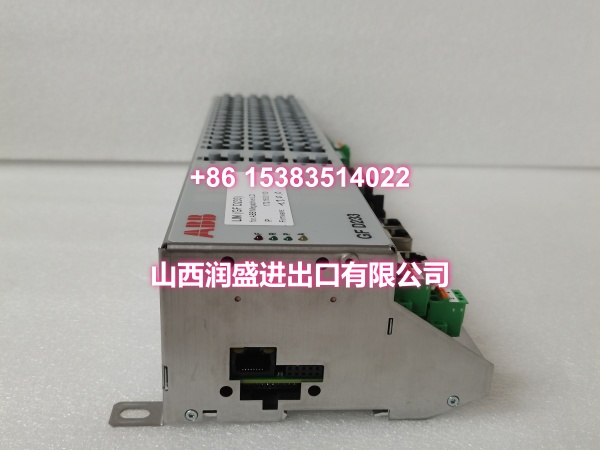
- Model: 3BHE022294R0103 / GFD233A103
- Brand: ABB
- Series: ABB Excitation System / UNITROL Series
- Integration Role: Excitation controller module for synchronous generators and motors, providing precise voltage regulation, reactive power control, and comprehensive protection functions within ABB excitation systems.
- Product Type: Excitation Controller Module
- Key Specs: Voltage regulation | Reactive power control | 4–20mA analog I/O | Modbus/Profibus communication | Multiple protection functions (overcurrent, undervoltage, overtemperature) | IEC 61508 SIL 2 compliant
- Note: Condition: New Original (New Surplus)
Key Technical Specifications
- Product Type: Excitation Controller Module
- Brand: ABB
- Model Number: 3BHE022294R0103 / GFD233A103
- Primary Function: Controls excitation current for synchronous generators and motors, regulating output voltage, reactive power, and power factor
- Control Modes: Constant voltage control, constant current control, constant power factor control, reactive power control
- Analog Input: 4–20mA control signal input (impedance 250Ω), typically from upper-level control system for remote excitation current adjustment
- Analog Output: 4–20mA excitation current feedback signal output, providing real-time excitation current value to upper-level monitoring system
- Switching Signal Input: Supports start, stop, and reset commands for excitation system control
- Communication Protocols: Modbus RTU/TCP, Profibus DP, Ethernet — enables integration with SCADA, energy management systems, and plant-wide monitoring
- Protection Functions: Overcurrent protection, undervoltage protection, overtemperature protection, excitation loss protection, overexcitation protection
- Control Accuracy: Excitation current regulation error ≤ ±1%
- Power Supply: 24V DC (±20%) or 110–240V AC (50/60Hz), with overvoltage and undervoltage protection
- Operating Temperature: -10°C to +55°C
- Relative Humidity: 5%–95% (non-condensing)
- Vibration Resistance: Compliant with IEC 60068-2-6 standard (10–57 Hz, acceleration up to 1g)
- Dimensions: Approximately 250 mm × 180 mm × 120 mm
- Weight: Approximately 1.65 kg
- Mounting: Standardized screw-mount design for excitation control cabinet installation
- Compliance: IEC 61508 SIL 2; CE
- Typical Applications: Power generation plants, metallurgy, shipping, wind power, hydroelectric stations — any application requiring precise synchronous machine excitation control
Product Introduction
The ABB 3BHE022294R0103 (GFD233A103) is an excitation controller module designed for synchronous generator and motor excitation systems. It integrates advanced control algorithms and reliable hardware circuits to precisely regulate excitation current, thereby controlling generator output voltage, reactive power, and power factor — ensuring stable and efficient operation under varying load and grid conditions.
This module is a core component in ABB’s UNITROL excitation system platform, widely deployed in power generation, metallurgy, shipping, and other industries where synchronous machine stability is critical. It supports multiple control modes (constant voltage, constant current, constant power factor) and provides comprehensive protection functions including overcurrent, undervoltage, and overtemperature protection.
The GFD233A103 features a 4–20mA analog control input for remote excitation adjustment from the upper-level control system, and a 4–20mA feedback output for real-time excitation current monitoring. Communication via Modbus, Profibus, or Ethernet enables seamless integration with plant-wide SCADA and energy management systems. Its IEC 61508 SIL 2 compliance and robust design ensure reliable operation in harsh industrial environments.
Integrators and maintenance engineers specify this module for its precise regulation accuracy (≤ ±1%), fast dynamic response during load transients and grid faults, and proven field reliability in power generation applications.
Wiring & Backplane Integration Notes
- Power Supply Verification: This module accepts either 24V DC (±20%) or 110–240V AC (50/60Hz). Confirm your excitation cabinet’s power distribution matches the rated input before energizing. The built-in overvoltage and undervoltage protection will trip the module if supply is out of range — verify both supplies are properly regulated.
- Analog Signal Wiring: The 4–20mA control input has an impedance of 250Ω. Use shielded twisted-pair cable and ensure the signal source can drive this load. The feedback output is also 4–20mA — wire it to your monitoring system’s analog input with proper shielding. Ground the shield at one end only to prevent ground loops.
- Communication Configuration: When integrating via Modbus or Profibus, verify the node address, baud rate, and protocol settings in your engineering tool before commissioning. A mismatched node address or baud rate will prevent communication with the upper-level system.
- Switching Signal Input: The start, stop, and reset inputs are typically dry-contact or 24V DC signals. Verify the signal type and polarity from your control system before connecting. Incorrect wiring can cause unintended excitation system trips.
- Grounding: The module chassis must be bonded to the cabinet ground per ABB’s installation procedure. Poor grounding can introduce noise into the analog control signals and cause regulation instability.
- Mechanical Mounting: The module measures approximately 250 × 180 × 120 mm and weighs about 1.65 kg. Ensure adequate clearance around the unit for heat dissipation and verify all mating connectors are fully seated before applying power.
- Compatibility: This module is used in ABB UNITROL excitation systems. Always cross-reference the full part number (3BHE022294R0103 / GFD233A103) against your system’s spare parts list, as revision-specific variants may have different firmware or hardware compatibility.
Integrator’s FAQ
What happens if this excitation controller module fails in a live generator system? If the excitation controller fails, the generator will lose excitation control. Depending on the system configuration, this may trigger an automatic generator trip to protect against under-excitation or over-excitation damage. In redundant excitation systems, the backup controller should take over automatically — verify your system’s redundancy configuration. In non-redundant setups, a failed module requires immediate replacement to restore generator operation.
Can I hot-swap this module in a live excitation system? No. Excitation controllers are safety-critical components. Replacing this module while the generator is online can cause loss of excitation control, leading to voltage instability, generator trip, or equipment damage. Always follow your plant’s lockout/tagout procedure: de-energize the excitation system, verify the generator is offline and safely discharged, and then replace the module. Coordinate with your operations team to schedule the replacement during a planned outage.
Will I lose configuration or control parameters when replacing this unit? Configuration and control parameters for ABB excitation controllers typically reside in the module’s non-volatile memory. Before replacing the unit, back up the existing configuration using ABB’s engineering tool (e.g., DriveWindow or the specific excitation system software). After installing the replacement, restore the configuration from backup or manually re-enter the parameters. Always verify the firmware revision matches your system’s requirements.
What communication protocols does this module support? The GFD233A103 supports Modbus RTU/TCP, Profibus DP, and Ethernet communication. The protocol is selected via configuration in your ABB engineering tool. Verify the protocol setting and node address match your upper-level system before commissioning.
What warranty do you offer on New Surplus parts? We provide a full 12-month warranty on all New Original / New Surplus units. This is fundamentally different from refurbished excitation controllers, which often carry 30–90 day warranties and come with unknown thermal cycling history, aged capacitors, and degraded control circuitry. For critical generator excitation systems, the cost of an unexpected controller failure — measured in unplanned generator outage and potential equipment damage — far exceeds any upfront savings from a used part.
Why is your pricing lower than OEM direct but higher than used parts? Our pricing reflects New Original / New Surplus inventory sourced from factory overstock and authorized distributors. You pay less than OEM list because these are surplus units, not current production. You pay more than used/refurbished because the part has zero operating hours, no thermal aging on internal components, and no degradation of the control circuitry. For mission-critical excitation control applications, the reliability difference between new surplus and refurbished is not marginal — it’s the difference between planned maintenance and an emergency generator trip.