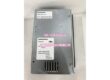
Product Core Brief
- Model: 3BHE006373R0101 / XVC769AE101
- Brand: ABB
- Series: AC 800M DCS System Components
- Integration Role: Serves as the terminal bus master controller for connecting HMI/operator stations and distributes precise time synchronization signals across the DCS network.
- Product Type: Terminal Bus Interface & Time Synchronization Module
- Key Specs: Terminal bus master controller | GPS / IRIG-B time sync input | 24VDC control supply | SOE-grade timestamp distribution
- Note: Condition: New Original (New Surplus)
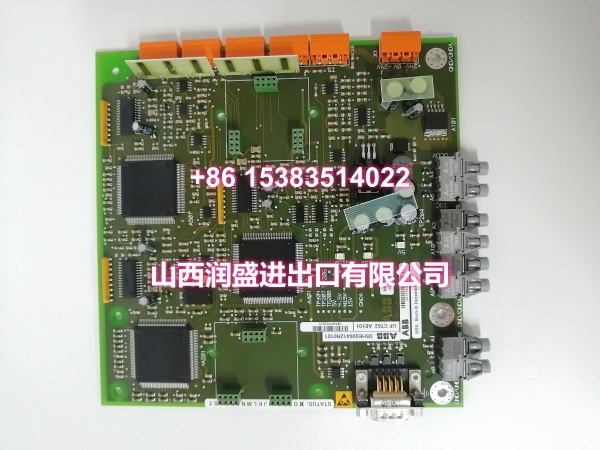
Key Technical Specifications
- Product Type: Terminal Bus Interface & Time Synchronization Module
- Brand: ABB
- Model Number: 3BHE006373R0101 / XVC769AE101 / HIEE410506P104
- Primary Function: Terminal bus master controller for AC 800M DCS systems; manages data exchange between controllers and HMI/operator stations
- Time Synchronization: Receives external GPS satellite clock or IRIG-B time code signals; distributes unified time tags to all controllers and modules in the system for Sequence of Events (SOE) recording
- Control Supply Voltage: 24VDC
- Communication Interface: Modbus / ABB proprietary backplane bus
- Operating Temperature: -40°C to +60°C
- Relative Humidity: 5% to 95% (non-condensing)
- Physical Dimensions: Approximately 27.5 x 20.5 x 40 mm
- Weight: Approximately 0.25 kg
- Compliance: CE; RoHS; manufacturer quality system typically ISO 9001
- Typical Applications: Power generation, chemical processing, and other industrial automation scenarios requiring precise event sequencing and coordinated control across distributed control systems
Product Introduction
The ABB 3BHE006373R0101 (XVC769AE101) is a terminal bus interface and time synchronization module designed for the AC 800M distributed control system. It serves two critical roles: acting as the master controller for the terminal bus — the dedicated, high-reliability internal Ethernet that connects engineer stations, operator stations (HMI), and historians to the system controllers — and providing precise time synchronization by receiving external GPS or IRIG-B signals and distributing unified timestamps across the entire DCS network.
Integrators and control engineers rely on this module for maintaining stable human-machine communication channels and ensuring accurate Sequence of Events (SOE) recording in cross-area coordinated control applications. Without it, the system loses its unified timing基准 and stable HMI data exchange pathway.
Wiring & Backplane Integration Notes
- Terminal Bus Connections: This module manages the terminal bus that links HMI devices to the AC 800M controllers. Verify the Ethernet cable type and termination before connecting — improper cabling can cause communication timeouts between operator stations and the control network.
- Time Sync Input: The module accepts GPS or IRIG-B time code signals. Verify the signal type and wiring polarity from your external clock source before energizing. A mismatched time sync input will prevent the module from distributing timestamps, resulting in unsynchronized SOE records across the system.
- Control Power: The module operates on 24VDC. Confirm your cabinet’s 24VDC bus is properly regulated and can handle the module’s inrush current. An unstable supply can cause the module to reset, temporarily interrupting terminal bus communication.
- Grounding: The module chassis must be bonded to the cabinet ground per ABB’s installation procedure. Poor grounding can introduce noise into the time sync signal path and cause communication errors on the terminal bus.
- Backplane Seating: Ensure the module is fully seated in the correct backplane slot before applying power. ABB system modules are keyed — do not force insertion. Verify the mating connector is secure to prevent intermittent communication faults.
Integrator’s FAQ
What happens if this module fails in a live AC 800M system? If the terminal bus master fails, operator stations and HMIs will lose communication with the AC 800M controllers. The controllers themselves will continue executing their control logic, but operators will lose visibility and the ability to make setpoint changes or acknowledge alarms. Additionally, time synchronization will stop, meaning any events logged during the outage will lack accurate timestamps — a critical issue for SOE analysis during incident investigations. Replace the module as soon as possible to restore full system functionality.
Can I hot-swap this module in a live AC 800M system? Hot-swap capability depends on your specific AC 800M system configuration and backplane setup. Some ABB DCS modules support controlled hot-swap, but replacing a terminal bus master while the system is live will cause a temporary interruption in HMI communication. Before attempting any replacement, consult your system’s ABB installation manual and verify that your controller configuration supports hot-swap for this module type. Always coordinate with your operations team before removing a live module to minimize process impact.
Is this module still available, or is there a direct successor? The 3BHE006373R0101 / XVC769AE101 remains available through surplus and distribution channels. ABB has not published a widely documented direct successor for this specific terminal bus interface variant. If your AC 800M system is being migrated to a newer platform, consult ABB’s migration documentation for the equivalent communication and time sync module in the target system.
Will I lose configuration or time sync settings when replacing this unit? Configuration for AC 800M system modules resides in the host controller, not on the module itself. When you replace the unit, the controller pushes the existing configuration to the new module automatically. However, the time sync source settings (GPS vs. IRIG-B) are part of the system configuration — verify these settings in your engineering tool after replacement to ensure the module is receiving and distributing the correct time signal. Record the label information from the old unit as a cross-reference.
What warranty do you offer on New Surplus parts? We provide a full 12-month warranty on all New Original / New Surplus units. This is fundamentally different from refurbished DCS components, which often carry 30-90 day warranties and come with unknown thermal cycling history, aged connector contacts, and degraded communication circuitry. For critical DCS assets, the cost of an unexpected module failure — measured in lost HMI visibility, unsynchronized event records, and unplanned downtime — far exceeds any upfront savings from a used part.
Why is your pricing lower than OEM direct but higher than used parts? Our pricing reflects New Original / New Surplus inventory sourced from factory overstock and authorized distributors. You pay less than OEM list because these are surplus units, not current production. You pay more than used/refurbished because the part has zero operating hours, no thermal aging on internal components, and no degradation of connector contacts or communication circuitry. For mission-critical DCS communication and time sync modules, the reliability difference between new surplus and refurbished is not marginal — it’s the difference between planned maintenance and an emergency system blackout.