Product Core Brief
- Model: PM861AK01 (3BSE018157R1)
- Brand: ABB
- Series: AC800M / Advant-800xA
- Core Function: High-performance centralized logic execution and system management
- Type: Processor Unit Kit
- Key Specs: MPC860 PowerPC @ 48 MHz, 16 MB RAM (7.155 MB App Available), 2x RJ45 Ethernet Ports
Key Technical Specifications
- Processor Architecture: MPC860 PowerPC
- Clock Frequency: 48 MHz
- System Memory: 16 MB RAM (7.155 MB application available)
- Logic Execution Speed: 0.23 ms per 1000 Boolean operations
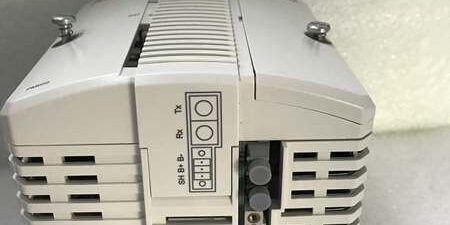
- Communication Interfaces: 2x RJ45 Ethernet (CN1, CN2), Serial, Profibus, Modbus
- Redundancy Support: CPU, CEX bus, and communication interface hot-standby
- Programming Standard: IEC 61131-3 (FBD, ST, SFC)
- Configuration Tool: 800xA Control Builder M
- Operating Temperature: -20 °C to +60 °C
- Protection Class: IP20 (EMC certified for harsh environments)
- Expansion Capacity: Up to 32 applications, 64 programs per application
- Battery Backup: Internal (118 hours min) / External SB822 (12 weeks min)
Product Introduction
The ABB 3BSE018157R1 is a high-performance processor module designed for the AC800M modular controller platform. Powered by a 48 MHz MPC860 PowerPC processor, this hardware executes complex control algorithms with deterministic timing while managing multi-protocol fieldbus communications. It features 16 MB of RAM and supports hot-standby redundancy for critical process availability.
From an industrial cybersecurity and compliance perspective, this controller requires strict network hardening due to its dual Ethernet ports and broad protocol support. Implementing network segmentation and enforcing access control lists (ACLs) are mandatory to protect sensitive control data and prevent unauthorized lateral movement across the operational technology (OT) network.
Installation & Configuration Guide
Phase 1 – Preparation & Risk Assessment
Verify the 3BSE018157R1 ordering code against your procurement documentation. Assess the control network architecture to ensure the device will reside within a strictly isolated industrial DMZ. Review current firewall rules and access logs before proceeding.
Phase 2 – Removal & Network Isolation
De-energize the 24 VDC supply. Disconnect all Ethernet, Profibus, and serial cabling. Inspect the physical ports for tampering or unauthorized tapping devices. Document existing IP configurations and serial port parameters.
Phase 3 – Installation & Hardening
Mount the ABB 3BSE018157R1 securely onto the designated DIN rail. Connect shielded Ethernet cabling and ensure proper grounding. Configure MAC address filtering and disable unused serial ports to reduce the attack surface.
Phase 4 – Power-on, Testing & Logging
Restore 24 VDC power and monitor the boot sequence for POST errors. Validate communication handshakes across Modbus and Profibus interfaces. Execute a full I/O simulation and log the firmware revision, IP assignments, and baseline performance metrics in your asset management system.
FAQ
- What processor architecture does this controller use?
It utilizes an MPC860 PowerPC processor running at 48 MHz. This provides deterministic real-time control performance for complex industrial processes. - I am replacing a legacy unit; will my existing program load automatically?
Generally yes, if the replacement hardware revision matches. The configuration should load from the non-volatile memory. However, always verify the firmware revision first to prevent communication timeouts. - Can this module handle both Modbus and Profibus simultaneously?
Yes, the hardware supports multiple protocols concurrently. However, you must configure the serial ports and Ethernet interfaces correctly to prevent bus overloads or protocol collisions. - What are the risks of leaving the Ethernet ports unsegmented?
Unsegmented Ethernet exposes the controller to lateral network threats. Legacy protocols like Modbus lack native encryption, making them vulnerable to command injection. Network segmentation is non-negotiable. - How does the hot-standby redundancy work?
The hardware supports CPU redundancy with bumpless transfer. If the primary unit fails, the secondary unit automatically takes over within 10 ms without interrupting the control process. - Do you provide test documentation for inventory parts?
Yes. We perform live functional tests, 24-hour load runs, and firmware verification on all units. Test reports and photos are available upon request. - What is the battery backup duration for this module?
The internal battery provides a minimum of 118 hours of memory retention. An external SB822 rechargeable battery extends this to 12 weeks for extended power loss scenarios.