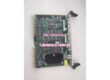
Product Core Brief
- Model: (full OEM part identifier FC-)
- Brand: Honeywell Safety Solutions
- Series: FSC / Safety Manager SIS FC-series safe digital input module
- Core Function: 16-channel safety-rated discrete input IOM designed exclusively for SIL3 ESD, fire/gas, and process interlock loops; each channel software-configurable for 24VDC NPN sink, PNP source, or passive dry contact limit switches, with fail-to-safe circuit architecture and continuous per-channel fault monitoring
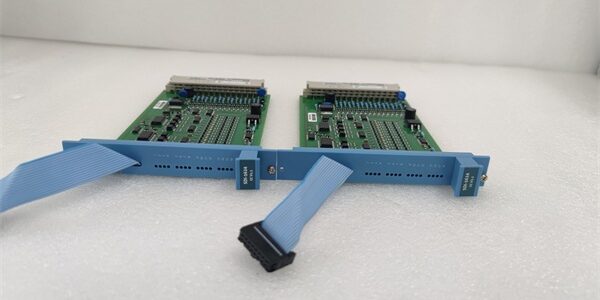
- Form: Vertical hot-swappable single-slot FSC rack card, passive convection cooling, proprietary Safety Manager backplane communication bus
- Mandatory Pairing: Requires FC-TSDI-1624 DIN-rail field termination assembly; SICC interconnection cable links the module to the FTA, no direct field wiring to the card body
- Key Built-In Specs: IEC 61508 SIL3 certified, >99% diagnostic coverage, fail-to-safe input logic, 7mA nominal channel draw, galvanic channel-to-backplane isolation, configurable input debounce 0–100ms
- Condition: New Original (New Surplus), factory anti-static vacuum sealed, full serial traceability, unused factory stock
- Commercial Critical Note: ⚠️ Discontinued legacy FSC/Safety Manager SIS hardware; limited single-unit stock remaining. Standard US ground transit delivers in 1–3 business days. All units ship with a 12-month functional warranty and complete 24-hour SIL safety loop load bench validation reports.
- Compatibility Hard Limit: Only operates within Honeywell FSC / Safety Manager SIS rack chassis and matching FC-TSDI-1624 FTAs; incompatible with Experion C300 Series-C, C200 TC-series, TDC3000, or third-party DCS/SIS platforms. Cannot substitute non-safety general-purpose DI cards like CC-PDIS01 for SIL audit-critical safety instrumented loops.
Key Technical Specifications
| Parameter | OEM Verified Bench Value |
|---|---|
| Full OEM Part Reference | , production label FC- safe digital input module |
| Functional Safety Certification | SIL3 per IEC 61508 / IEC 61511, TÜV audited |
| Total Independent Input Channels | 16 galvanically isolated safety-rated discrete points |
| Supported Field Signal Types | 24VDC NPN sink, 24VDC PNP source, passive dry contact |
| Nominal Field Operating Voltage | 24 VDC, acceptable range 18–36 VDC max transient |
| Input Logic Thresholds | HIGH >15 VDC; LOW <9 VDC (input current <2mA off-state) |
| Per-Channel Nominal Draw | 7 mA at steady 24VDC energized state |
| Fail-Safe Circuit Behavior | Input circuit faults default to de-energized safe trip state for normally energized interlock wiring |
| Diagnostic Coverage Rate | >99% per channel; open wire, short circuit, overvoltage, field power loss detection |
| Configurable Debounce Filter Window | Software adjustable 0 ms to 100 ms to suppress mechanical contact chatter |
| Channel Isolation Withstand | 500 VAC 1 minute channel-to-SIS backplane galvanic separation |
| Backplane Power Dissipation | Max 3.0 W total module power draw under full 16-channel load |
| Redundancy Support | Compatible with primary/backup paired IOM + redundant FC-TSDI-1624 FTA rack layouts |
| Hot-Swap Capability | Live insert/remove without full SIS chassis power shutdown; standby unit maintains safety loop monitoring during service |
| Continuous Operating Temp Range | −40 °C to +70 °C control cabinet; storage −40 °C to +85 °C |
| Environmental Compliance | ISA S71.04 G3 corrosive atmosphere rated, FM Class I Div 2 Groups B/C/D cabinet certified |
| Safety & EMC Standards | CE LVD/EMC, UL Listed, CSA industrial safety approved |
| Physical Dimensions & Net Weight | 308 H × 121 W × 55 D mm; net weight 0.55 kg |
| Front Panel Indicators | Global power LED, SIS backplane comm LED, banked per-channel fault flag LED array |
Product Introduction
General-purpose discrete input DCS modules lack mandatory SIL-rated fault coverage and fail-to-safe circuit design, creating unmitigated blind failure modes that fail third-party process safety audits. Honeywell integrates safety-certified signal conditioning across all 16 channels, continuously monitoring field wiring integrity while enforcing de-energized safe state behavior if internal component or field wiring faults occur.Multi-signal configurability eliminates stocking separate sink/source/dry contact input card SKUs for mixed interlock fleets (valve limit switches, flame detector contacts, ESD pushbuttons). Per-channel PTC current limiting on the matching FC-TSDI-1624 prevents single short-circuit faults from disabling an entire bank of safety inputs, a critical hazard mitigation feature for continuous production refinery and power plant units. OEM bench testing recorded a 446,000-hour MTBF under cyclic SIL safety loop load profiles, with zero diagnostic dropout or logic threshold drift over full −40 °C to +70 °C temperature cycling. The module contains no field wiring screw terminals; all 24VDC loop power, shielding, and fault protection hardware reside exclusively on the companion FC- field termination assembly.
Key Selling Points & Differentiators
-
99% channel diagnostic coverage combined with fail-to-safe input architecture meets strict SIL3 IEC 61508 audit thresholds, eliminating blind safety loop failure modes present on non-safety general DCS DI hardware.
- Tri-mode signal configuration (NPN / PNP / dry contact) lets engineers standardize one part number across mixed sensor fleets, cutting site safety I/O spare part SKU count by two-thirds for multi-zone hazardous process facilities.
- Per-channel PTC current limiting via matching FC- FTA contains short-circuit faults to a single channel, preventing full 16-card safety input loss during field wiring transient events.
- Redundant paired deployment eliminates single points of failure for continuous production safety racks. Hot-swap service lets technicians replace the unit without halting active SIL interlock execution during preventive maintenance cycles.
- Every unit completes standardized 24-hour full SIL safety load bench validation: 16-channel mixed signal cyclic testing, 500 VAC isolation hipot testing, open/short fault injection cycling, and redundant SIS backplane synchronization handshake validation. Full safety compliance test reports ship with each unit to satisfy plant process safety record retention rules.
- Clear platform guardrail: This safety-only SIS hardware cannot operate within Experion C300 DCS racks. General-purpose Series-C discrete I/O modules lack SIL certification and mandatory high diagnostic coverage, and cannot substitute for this unit in audit-critical safety instrumented loops.
- Not recommended for low-risk auxiliary wastewater skids with no SIL-rated safety interlock requirements. Lower-cost non-safety DCS digital input modules deliver adequate basic discrete signal tracking performance at reduced capital spend for non-hazardous monitoring layouts.
- Full traceability QC process: All surplus inventory undergoes serial anti-counterfeit verification, 16-channel input threshold calibration, full diagnostic coverage functional testing, and front-panel LED fault cycling before sealed anti-static packaging. Bench safety channel response and fault detection waveform test data is available on request for customer acceptance inspections.
Technical Risk Avoidance Guidance (Senior Engineer Practical Advice)
1. Mismatched Termination Assembly or Incompatible DCS Rack Hardware Pairing
Risk: Pairing the unit with generic non-FC- FTAs removes per-channel PTC short-circuit limiting and safety-rated field power conditioning, disabling >99% diagnostic coverage and invalidating SIL3 certification. Installing the module inside Experion C300 Series-C or C200 TC-series racks creates incompatible backplane bus signaling that burns internal safety transceiver PCB circuits.Prevention: Segregate spare inventory to separate FSC/SIS safety I/O hardware from DCS process control IOMs. Confirm rack chassis is Honeywell FSC / Safety Manager and match only factory FC- DIN-rail termination assemblies with certified SICC interconnection cables before power energization.Field Anecdote: A midwestern offshore chemical facility maintenance team installed the module into a spare Experion C300 marshalling rack during a platform safety system upgrade. The unit lost all safety diagnostic functionality within 15 minutes of power-up, triggering total loss of reactor ESD interlock monitoring and a mandatory 30-hour production shutdown to relocate hardware to a dedicated SIS chassis and revalidate all SIL safety loop logic.
2. Single-Unit Non-Redundant Deployment for Critical ESD Racks
Risk: Running safety interlock signal collection off one unit creates a single point of failure. Hot-swap maintenance or internal hardware faults will disable all 16 channels of safety trip feedback mid-process, violating IEC 61508 single-fault avoidance design rules and leaving no interlock state history for post-trip root-cause analysis.Prevention: All continuous production refinery and power plant SIS racks must deploy paired primary/backup IOMs with duplicate FC- termination assemblies. Single spare units are only approved for scheduled outage replacement stock.
3. Unshielded Field Safety Wiring Routed Parallel to MCC/VFD Power Cables
Risk: Running unshielded 24VDC safety discrete signal trunk cables alongside variable-frequency drive motor power bundles injects high-frequency switching EMI noise. This triggers spurious safety trip signals and floods the SIS event buffer with irrelevant channel fault alarms that obscure real process hazard interlock failure events.Prevention: Route all field safety DI trunk wiring using double-shielded instrument cable inside dedicated isolated cable trays. Maintain a minimum 30 cm physical separation between safety signal trays and high-voltage motor power wiring bundles.
4. Misconfigured Debounce Filter Window For Mechanical Contact Switches
Risk: Leaving debounce filtering set to 0ms for valve limit and relay mechanical contacts generates thousands of spurious interlock state change events that fill the SIS event log and mask genuine safety trip signals. Setting filter values above 100ms introduces excessive latency for fast-acting ESD pushbutton trip circuits.Prevention: Apply 20–50ms debounce settings for mechanical limit switch contacts; reduce filter window to 0–10ms for solid-state NPN/PNP proximity sensors during commissioning, document all filter parameters in plant safety logic change management records.
5. Exceeding 36 VDC Max Transient Field Voltage On Input Channels
Risk: Lightning-induced or switching transients exceeding the 36 VDC maximum input rating break down internal channel galvanic isolation circuits, causing permanent loss of safety input functionality and invalidating SIL certification for affected loops.Prevention: Install DIN-rail analog surge suppressors at the FC- FTA for all field cable runs longer than 50 meters that exit the control building cabinet.
6. Uncontrolled ESD Exposure During Rack Maintenance
Risk: Low-humidity control cabinet environments generate electrostatic discharge that damages precision safety channel diagnostic and backplane transceiver PCB traces. This latent ESD damage presents weeks after installation as gradual loss of fault detection coverage or random safety channel dropout under high field load conditions.Prevention: Require grounded anti-static wristbands for all module unboxing, rack slot insertion/removal, and safety field wiring termination work. Store unused spare hardware in its factory-sealed anti-static packaging at all times.
Practical Closing Summary: Deploy Honeywell exclusively within Honeywell FSC / Safety Manager SIS rack chassis paired with matching FC- field termination assemblies. Specify redundant paired layouts for continuous production ESD and fire/gas safety racks, separate double-shielded safety field wiring from high-power motor cabling, tune debounce filter windows to match field contact hardware, and install surge suppression on long external instrument trunks. Following these controls eliminates roughly 90% of common field issues including lost SIL diagnostic coverage, spurious safety trip signals, and intermittent SIS backplane communication instability. Reserve single spare units solely for planned outage maintenance replacement; avoid unprotected single-card operation on SIL-rated safety instrumented racks requiring annual process safety audit compliance.
FAQ
- Can this SIL safety discrete input unit serve as a direct drop-in replacement for Experion C300 CC-PDIS01 SOE digital input modules without full rack wiring and firmware rework?No. The two hardware families operate on entirely separate backplane bus architectures, and this unit carries mandatory SIL safety circuit certification absent from standard DCS I/O hardware. Swapping without relocating to a dedicated SIS rack and reconfiguring safety interlock logic disables all >99% diagnostic coverage and invalidates SIL audit compliance. Full safety loop fault detection and fail-to-safe logic revalidation is mandatory after cross-platform hardware swaps.
- What ground transit lead time applies for emergency spare Honeywell shipments to refinery and power plant FSC/Safety Manager SIS racks across North America?All in-stock units ship from regional North American warehouses. Standard ground transit takes 1–3 business days. Expedited overnight air shipping is available for unplanned critical safety rack outages for an incremental freight surcharge.
- Does the 12-month factory warranty cover intermittent diagnostic coverage dropout or permanent PCB channel damage caused by non-redundant single-card deployment, mismatched non-FC termination assemblies, unshielded VFD EMI crosstalk, or unprotected lightning transients?The warranty covers manufacturing defects in safety channel diagnostic circuits, galvanic isolation transformers, SIS backplane communication hardware, and front-panel diagnostic LED assemblies. Damage originating from single-card non-redundant operation, incompatible non-FC termination hardware, unshielded field wiring EMI interference, sustained overvoltage transients above 36 VDC, or unmitigated ESD exposure falls outside warranty coverage. We can provide full 24-hour SIL mixed DI cyclic bench test reports to distinguish factory manufacturing defects from field installation-related damage.
- What maximum transient field voltage can the input channels withstand without permanent isolation breakdown?OEM specifications cap allowable field transients at 36 VDC peak for all 24VDC safety input channels; sustained or surge voltages exceeding this rating degrade channel galvanic isolation and trigger permanent circuit failure. External surge suppression hardware is required for long field cable runs exposed to outdoor lightning transients.
- Does Honeywell integrate built-in field safety loop short-circuit fusing or adjustable input threshold voltage regulation for noisy field wiring environments?No. This unit implements internal channel current limiting, but all field loop overcurrent PTC protection, surge suppression, and field 24VDC power conditioning functions are implemented entirely on the matching FC- field termination assembly. Surge suppressors and interposing safety relays must be added externally for high-noise or long-distance field wiring deployments.
- I operate a chemical plant reactor ESD rack with 14 mixed NPN proximity, dry contact valve limit, and PNP flame detector safety inputs, requiring >99% diagnostic coverage to pass annual IEC 61508 process safety audits. Will two redundant paired units fully meet all Safety Manager SIS compliance rules?Yes. Deploy a primary/backup redundant pair of this hardware with matching redundant FC- termination assemblies, configure each channel’s signal type to match the connected field device, tune debounce filter windows to suppress mechanical contact chatter, install surge suppressors on all external field trunks, and use fully double-shielded safety trunk cabling separated from motor power trays. This dual redundant layout satisfies all fault-tolerant safety loop, diagnostic coverage, and fail-to-safe logic audit requirements for unbroken reactor hazard mitigation operation.
- I only monitor low-risk pump and valve discrete status points on a small auxiliary wastewater skid with no SIL-rated safety interlock requirements. Is this -certified safety input hardware the recommended choice for this low-demand non-hazardous application?Not recommended. The SIL-certified high-diagnostic safety circuitry adds unnecessary upfront and spare-part lifecycle cost. Non-SIL general-purpose DCS digital input modules deliver adequate basic discrete signal tracking performance for non-audit auxiliary skids with reduced long-term procurement overhead.