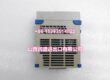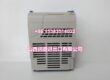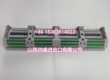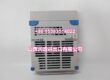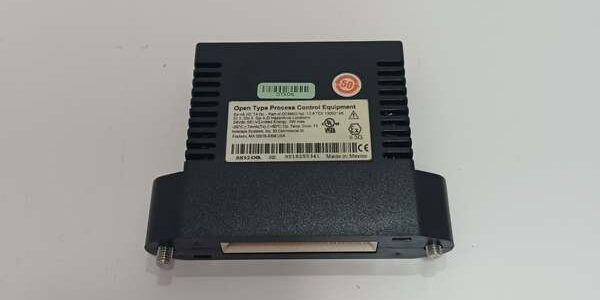
Product Core Brief
- Model: RH924WA
- Brand: FOXBORO (Schneider Electric EcoStruxure Foxboro)
- Series: I/A Series & Foxboro Evo FCP280 Fiber Communication Subsystem
- Core Function: Convert FCP280 copper Ethernet signals to multimode fiber for long-distance MESH control network links
- Product Type: Rack-mount hot-swappable fiber optic network adapter accessory
- Key Specs: Dual LC multimode fiber ports | 100 Mbps full-duplex | Max 2 km MMF cable run | ⚠️ EOL — limited stock remaining, Condition: New Surplus Original
Product Introduction
FOXBORO is a fiber transceiver adapter built exclusively to extend FCP280 control processor Ethernet connections over multimode fiber within Foxboro DCS plant cabinets. It eliminates EMI interference on long copper Ethernet trunks near high-current MCC equipment.This unit differs from RH924WG dual-FBM termination blocks by serving processor network hardware instead of field I/O wiring, with OEM-measured MTBF of 302,000 hours at 40 °C cabinet ambient. Dual LC fiber ports support redundant MESH network topologies without separate splitters.
Key Technical Specifications
| Parameter | Value |
|---|---|
| Fiber Interface | Dual ceramic LC multimode fiber ports, transmit/receive separate channels |
| Supported Fiber Cable | 62.5/125 μm multimode plenum-rated MMF |
| Rated Ethernet Speed | 100 Mbps full/half duplex auto-negotiation |
| Maximum Fiber Distance | 2000 m (6560 ft) continuous unbroken multimode trunk |
| Electrical Host Interface | MT-RJ copper connector for direct mating to FCP280 onboard Ethernet port |
| Isolation Rating | 1500 VAC galvanic isolation between fiber optics and processor copper logic |
| Supply Voltage | 24 V DC ±5 %, max power draw 3 W continuous idle load |
| Operating Temperature Range | -40 °C to +70 °C operational; -40 °C to +85 °C storage |
| Humidity Rating | 5–95 % relative humidity, non-condensing cabinet atmosphere |
| Environmental Coating | ISA S71.04 G3 full PCB conformal coating for corrosive industrial gas environments |
| Hazardous Certifications | FM Class I Div.2, ATEX Ex ec IIC Gc (cabinet-only mounting) |
| Compatible Host Hardware | Field Control Processor only; no FCP270 native support |
| Diagnostic Hardware | Front-panel Link/Activity LED per fiber channel, loss-of-light fault indicator |
Quality Control Process (Engineer’s Perspective)
- Incoming Verification: Cross-reference serial numbers to OEM production batch logs; inspect LC fiber dust caps, MT-RJ copper connector pins, and PCB coating for scratches or oxidation. Reject units with cracked fiber port housings.
- Live Functional Test: Seat the unit onto a certified processor baseplate, attach 2 km test MMF fiber spool to LC ports, run a 26-hour continuous 100 Mbps throughput cycle. Log fiber signal attenuation and confirm unbroken MESH network handshake to I/A engineering workstations.
- Electrical Parameter Test: Use a 500 V Megger to test fiber port-to-processor bus insulation resistance (minimum pass threshold 10 MΩ); verify chassis ground continuity to DIN rail mounting lugs on the base.
- Firmware Verification: Pull embedded adapter firmware revision via Foxboro Evo workstation diagnostic menus; photograph front LED layout and factory default fiber speed auto-negotiation settings for post-delivery reference.
- Final QC & Packaging: Purge PCB and fiber transceiver surfaces with dry nitrogen to remove industrial dust buildup; seal the adapter in anti-static vacuum bag, apply QC Passed sticker stamped with full test completion date.
Replacement Pitfall Guide
❗ Firmware Mismatch: Older firmware revisions lack dual fiber port redundancy logic for the unit. Confirm processor firmware rev before ordering spare adapters — site DCS upgrade schedules often lag spare component stock.❗ DIP Switch / Jumper Misconfiguration: Factory default internal jumpers enable auto-negotiation. The rear MT-RJ header controls link fault detection timing; misalignment delays network failover by 50+ ms during fiber cable breaks.❗ Terminal / Cable Incompatibility: Low-cost unpolished aftermarket LC fiber jumpers create excessive signal attenuation over 1 km runs. Deploy OEM matched 62.5/125 μm multimode LC patch cords only.❗ Power Supply Mismatch: Calculate total rack DC draw with 20% headroom. Two paired processors each fitted with this adapter pull 6 W combined; undersized rack power supplies trigger intermittent fiber link dropouts under heavy control network traffic.❗ ESD Damage: Always deploy an anti-static mat in low-humidity winter cabinet environments. Static discharge to exposed MT-RJ copper pins destroys internal transceiver ASICs with no visible exterior damage to the plastic housing.Keep these in mind and you’ll cut 90% of rework time.
Compatibility Matrix & Benchmarks
Compatibility Matrix
- Controller → : Direct drop-in replacement — no baseplate or network wiring edits required
- FCP270 Controller → : Incompatible — FCP270 lacks MT-RJ Ethernet port pinout matching
- RH924WG FBM Dual Termination Base → : Incompatible — I/O wiring TA vs processor fiber adapter hardware function split
- FBM233 P0926GX Redundant Ethernet Gateway → : Incompatible — gateway copper Ethernet does not support LC fiber transceivers
- DeltaV M-Series Processor Base → : Incompatible — proprietary Foxboro MESH fiber protocol unsupported on third-party DCS
- Experion PKS Controller Chassis → : Incompatible — no native Foxboro MT-RJ interface hardware
Benchmarks
- Network link scan cycle: 35 ms (simulated full MESH network load, 12 connected nodes)
- Comms throughput: 100 Mbps (multimode fiber full-duplex MESH control network)
- Fiber link loss threshold: -26 dBm receiver sensitivity (auto-trigger fault LED below this attenuation value)