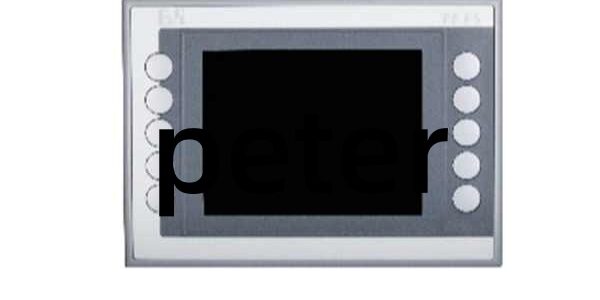
Product Core Brief
- Model: 4PP065.0571-X74F
- Brand: B&R Industrial Automation
- Series: Power Panel PP65
- Core Function: Executes machine logic, motion sequencing, HMI visualization, and X2X distributed I/O communication on a single flush-mount unit
- Product Type: Integrated HMI + Embedded PLC Controller
- Key Specs: 5.7″ QVGA resistive touch | 128MB DRAM / 232kB battery-backed SRAM | X2X + 10/100 Ethernet + dual USB
- Note: New Original stock; mandatory power terminal block 0TB103 sold separately
Key Technical Specifications
- Processor: AMD Geode LX800 x86, 500MHz, 128kB L1 cache
- Display: 5.7″ TFT QVGA 320×240, 500 cd/m² brightness, 50,000hr half-brightness lifespan
- Touch Input: 4-wire analog resistive touch with 12-bit onboard controller
- Memory: 128MB DRAM; 232kB SRAM (retentive recipes/alarms, capacitor-backed 10min buffer)
- Storage: Type I CompactFlash slot (user-supplied industrial CF card required)
- Interfaces: 1×10/100 Ethernet; 1×X2X Link bus; 2×USB 2.0 Type-A front ports
- Electrical: 24VDC ±25% input, 0.45A nominal draw, 10W max power consumption
- Mechanical: 203×145×56.5mm, 0.75kg weight, horizontal landscape flush cabinet mounting
- Environmental: Front IP65/NEMA4X; rear IP20; operating 0°C to +50°C; storage -20°C to +70°C
- Certifications: CE, UL cULus, EAC, RoHS industrial compliance
- Supported Runtime: Minimum Automation Runtime AR C2.96 and newer builds
Product Introduction
This all-in-one panel combines embedded PLC logic and operator touch visualization for packaging, injection molding, and small CNC machines. It eliminates separate HMI and CPU hardware to reduce cabinet wiring and cut machine door cutout footprint.
The device uses passive x86 processing with native X2X bus sync to pair with X20 I/O and ACOPOS servo drives. Front IP65 sealing blocks workshop cutting fluid and dust, while dual USB ports enable quick recipe backup without opening control enclosures.
QA & Testing SOP (Transparency Building)
- Incoming Inspection: Cross-reference OEM serial database to verify genuine hardware; inspect touch overlay for scratches, rear port pins for bending, and front rubber mounting gasket for cracking.
- Live Testing: Connect Fluke 115 power supply at 24VDC nominal; run 24-hour continuous cycle with Ethernet PVI communication, X2X simulated I/O, and full touch coordinate sweep logged every 30 minutes.
- Electrical Testing: 500V Megger insulation test between power terminals and chassis ground; pass threshold >10MΩ isolation resistance.
- Firmware/Config Backup: Capture exact AR runtime version via Automation Studio; photograph rear port DIP switch positions and CF card partition layout for reference.
- Final QC & Packaging: Wipe housing with ESD-safe isopropyl alcohol; seal in anti-static shielding bag; attach printed QC test tag listing 24hr pass data and serial number trace.
Installation Pitfalls & Guide (Engineer to Engineer)
❗ Runtime Version Mismatch: Projects compiled on AR V3.0+ fail to load on hardware flashed with C2.96 or older. Flash matching runtime firmware before downloading application code to avoid boot loops.❗ Missing OEM Terminal Block: The unit ships without 0TB103 power connector. Improvised crimped wiring causes voltage ripple and flickering touch response under motion load spikes.❗ Consumer-Grade CF Card Risk: Standard retail flash media degrade rapidly at sustained 50°C cabinet temperatures. Only use B&R extended-temperature 0CFCRD series cards to prevent recipe corruption.❗ X2X Bus Termination Omission: The farthest X20 I/O station on the link chain requires X20AC0SR1 end cap. Missing termination creates microsecond communication jitter that breaks multi-axis motion sync.❗ Unmitigated ESD Damage: Resistive touch glass and Ethernet transceivers are vulnerable to low-humidity static; ungrounded wristband contact can destroy $1,800 hardware in a single discharge event.
4-Step Replacement Guide
- Pre-install: Power down full machine; photograph old panel wiring, DIP switches, and CF card partitions for 1:1 configuration replication.
- Removal: Unplug power, Ethernet, X2X, and USB cables; release cabinet door mounting clips and extract the old unit.
- Install: Fit new rubber sealing gasket; seat the controller flush to cabinet cutout; reattach all cables matching photographed pinout positions.
- Power-on Test: Apply 24VDC supply; verify full touch calibration, Ethernet PVI handshake, and X2X I/O point readback before resuming production.
FAQ (Frequently Asked Questions)
Q: Can this unit hot-swap while the machine stays powered?A: No. It integrates the main machine controller backplane logic. Live removal disrupts X2X bus communication and can corrupt SRAM retentive data, triggering unplanned equipment trips.Q: What warranty coverage applies to surplus inventory of the controller?A: Standard 12-month functional warranty covers hardware defects from shipping or manufacturing flaws; physical damage from improper ESD handling or wrong CF card use is excluded.Q: Is cross-replacement possible with vertical portrait X75 variants?A: No. X75 models use vertical screen orientation and different cabinet cutout dimensions. Swapping without door rework creates gaps that break IP65 front panel sealing.Q: How long does the capacitor-backed SRAM retain recipe data after power loss?A: 10 minutes of buffer runtime at 25°C ambient. Extended power outages longer than this erase all unwritten production counter and batch recipe values.Q: Does the panel support PROFIBUS DP or CANopen without add-on modules?A: No. Native onboard ports only include Ethernet, X2X, and USB. Serial fieldbus communication requires separate plug-in expansion modules mounted to the rear interface slot.Q: What is the maximum X2X I/O station count this device can reliably scan?A: Up to 16 cascaded X20 I/O modules with consistent <0.8ms full rack scan time; exceeding this count increases motion task cycle jitter above acceptable machine control limits.Q: Where can I retrieve official firmware files for the device?A: Firmware builds are hosted exclusively on B&R Automation Support Portal; third-party mirror downloads carry risk of incomplete or corrupted runtime images that brick the hardware bootloader.