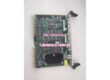
Component Snapshot At-a-Glance
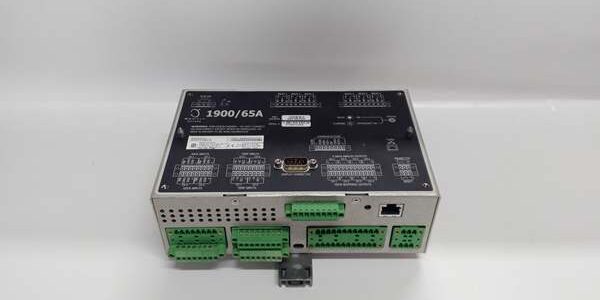
- Model: 1900/65A-00-00-02-00-01
- Suffix Full Breakdown:
- Power=00:18–36VDC wide DC control power
- Display=00:No front LCD local display, only OK/Alert/Danger discrete LEDs
- Mount=02:Bulkhead panel flush mount (not DIN rail)
- Approvals=00:General industrial certification, no hazardous Zone 2/ATEX
- Comm=01:Built-in Modbus RTU RS485 communication port for DCS/SCADA/System1
- Alt. P/N: 1900/65A-00-00-01-00-00 (DIN rail mount, no Modbus comm; incompatible mounting hardware & terminal comm pinout)
- Product Series: Bently Nevada 1900 Compact Standalone Machinery Monitor Platform
- Hardware Type: Bulkhead flush panel mount dual-channel proximity vibration + Keyphasor speed monitor, no front display, native Modbus RTU communication
- Key Feature: Two independent proximity displacement/vibration channels, dedicated Keyphasor RPM input, six SPDT alarm relays, four isolated 4–20mA analog outputs, RS485 Modbus RTU, bulkhead flush panel installation
- Primary Field Use: Local vibration/thrust/RPM monitoring for small pumps, blowers, auxiliary compressors; Modbus remote tag trending to plant DCS, bulkhead flush mounting for compact MCC panel enclosures.
Hard-Numbers: Technical Specifications
- Protocol Support: Analog 4–20mA hardwired to DCS/PLC; Modbus RTU RS485 digital communication; accepts -2 to -18VDC linear gap signal from 3300 XL Proximitors
- Port Count: 2 proximity probe input terminals; 1 Keyphasor speed input terminal bank; six SPDT relay terminal block; four isolated 4–20mA recorder outputs; RS485 Modbus screw terminal port; buffered signal test jacks; rear 18–36VDC DC power terminals; front discrete OK/Alert/Danger LED indicators only (no numerical display)
- Baud/Data Rate: Modbus RTU baud 9600–115200 bps configurable; vibration sampling 1kHz per channel; fixed 100ms analog output refresh cycle
- Operating Temperature: -20°C to +70°C standard unit; conformal coated aftermarket variant rated -40°C to +85°C non-condensing cabinet duty
- Isolation Rating: 1000VAC galvanic isolation between transducer inputs, Modbus comm, 4–20mA outputs, relay contacts and internal DSP logic core
- Power Draw: Max 12W continuous; supply range 18–36VDC wide DC control power
- Measurement Ranges: Displacement 0–2000 μm pk-pk; vibration velocity/acceleration software configurable; usable frequency response 10Hz–10kHz
- Relay Contact Rating: SPDT 5A @ 250VAC resistive load; epoxy-sealed contacts for light oil mist cabinet environments
- Physical Mount: Bulkhead flush panel cutout mount (custom panel opening required); dimensions 196.9×149.4×74.4mm; IP20 front panel; weight ~0.4kg
- Certifications: CE EMC, UL 61010 general industrial; no ATEX/Class I Div 2 hazardous area approvals per suffix code 00
The Real-World Problem It Solves
Full 3500 rack TSI systems waste rack space and spare part budget for small auxiliary pumps/blowers that require both local hardwired alarm interlocks and remote Modbus trending to central DCS.DIN rail variants cannot fit compact shallow MCC panel cutouts; bulkhead flush mount eliminates protruding DIN rail hardware to fit tight cabinet layouts.No-display units remove unnecessary front screen cost for unmanned pump houses; built-in Modbus eliminates external RS485 gateway converters that introduce extra EMI noise from cabinet VFD drives.Unisolated third-party vibration transmitters leak drive noise onto probe wiring, triggering constant false Alert/Danger relay trips during blower startup load swings.Where you’ll typically find it:
- Refinery auxiliary centrifugal pump compact MCC panels monitoring journal radial vibration and shaft RPM with DCS Modbus trending
- Combined-cycle power plant boiler induced draft fan and feedwater blower non-hazardous bulkhead control panels
- Onshore utility water pump skids without Zone 2 classification, flush panel installation + remote Modbus data acquisitionBulkhead flush form factor fits shallow compact MCC cabinets, integrated Modbus RTU removes external protocol conversion hardware, dual-channel + Keyphasor consolidates vibration and speed monitoring in one compact standalone unit without full rack infrastructure.
Hardware Architecture & Under-the-Hood Logic
This standalone monitor uses a dedicated DSP signal processing core to linearize Proximitor gap voltage signals locally; dual-stage Alert/Danger threshold relay comparison runs fully independent of Modbus DCS communication loss. Configuration via laptop USB software, no local keypad display for on-unit readout.
- 18–36VDC wide-range cabinet DC supply feeds multi-stage EMI filtered isolated PSU; split power rails separate DSP measurement core, transducer input frontends, Modbus transceiver, and relay drive circuits to block variable frequency drive harmonic noise.
- Two fully independent proximity input frontends accept linear gap voltage from any matched-length 3300 XL Proximitor preamp; each channel fitted with bidirectional TVS surge suppression for long field coaxial cable lightning transients.
- Dedicated Keyphasor pulse shaping circuit converts magnetic pickup or proximity Keyphasor pulses to digital RPM data; DSP pairs speed and vibration waveforms to calculate synchronous imbalance signatures.
- Software-configurable dual-threshold alarm logic latches fault states to six SPDT relays; relay wiring routes directly to local ESD interlock and cabinet horn alarm circuits. Onboard Modbus RTU transceiver streams all channel vibration, RPM, alarm status register data to plant DCS historian continuously.
- Front panel LED-only status: steady green OK = probe circuit healthy; yellow Alert = pre-warning threshold crossed; red Danger = shutdown threshold or probe open/short fault; no numerical readout for channel gap/vibration values.
- Buffered front test jacks allow portable vibration analyzer waveform capture without disconnecting live transducer field wiring during equipment running.
Field Service Pitfalls: What Rookies Get Wrong
Dual-End Grounding Probe Coaxial Shield Cables
New techs ground transducer coaxial shield braid at both 1900/65A terminal block and pump junction boxes. Rotating machinery hull potential differences create circulating ground loop current, distorting gap voltage and triggering random false high vibration Danger relay trips during compressor startup transients.Field Rule: Terminate all proximity probe coaxial shield braid only at the monitor cabinet chassis ground stud; fully tape and isolate shield conductors at all machinery field junction boxes, no secondary ground points.
Substituting DIN Rail No-Modbus 1900/65A-00-00-01-00-00 Unit In Place Of This Suffix Model
Field crews swap DIN rail spare monitors onto bulkhead Modbus pump skids. Mismatched mounting hardware cannot fit panel cutouts; missing Modbus transceiver disables remote DCS vibration trending, and terminal comm pinouts are vacant creating open-circuit fault LED triggers.Quick Fix: Strict full part number matching for bulkhead flush mount + Modbus DCS trending pump skids: deploy only 1900/65A-00-00-02-00-01. Reserve DIN rail non-comm suffix variants for standalone local alarm-only skids without remote DCS data requirement.
Skipping Full Software Channel & Modbus Register Mapping After Unit Swap
Techs hot-swap a spare monitor and run factory default measurement ranges with blank Modbus register mapping. Without site-specific vibration/displacement scaling, RPM pulse count, alarm thresholds and Modbus tag assignment, relays either nuisance trip constantly or fail to activate during genuine bearing degradation events, and DCS receives blank vibration trending data. No local display means no quick visual check of live channel values without laptop connection.Field Rule: Connect laptop configuration software post replacement, upload validated site-specific channel scaling, RPM pulse count, alarm threshold parameters and Modbus register map; inject calibrated gap voltage signal to each proximity channel and verify both 4–20mA analog output and Modbus DCS tag readback match machinery design thermal limits before returning rotating equipment to automatic run mode.
Commercial Availability & Pricing Note
Please note: The listed price is for reference only and is not binding. Final pricing and terms are subject to negotiation based on current market conditions and availability.