Component Snapshot At-a-Glance
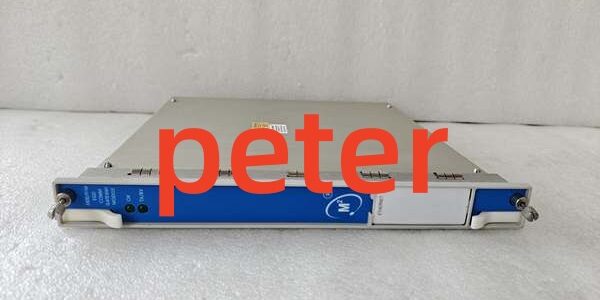
- Model: 3500/91-01-01 (EGD Ethernet Global Data communication gateway, front comm card + rear terminal I/O pair)
- Alt. P/N: 3500/92 (Serial Modbus RS485 gateway, no native EGD Ethernet, incompatible rack firmware)
- Product Series: Bently Nevada 3500 Machinery Protection TSI Rack System
- Hardware Type: Single-slot slide-in rack communication gateway module
- Key Feature: Dual isolated 10/100 RJ45 Ethernet, EGD real-time broadcast protocol, high-speed rack backplane data polling, support System 1 & plant DCS tag exchange
- Primary Field Use: Pull vibration, speed, temperature, alarm status data from all 3500 rack monitor cards; broadcast real-time machinery health values to System 1 historian, turbine DCS, and OPC servers on gas/steam turbines, centrifugal compressors, generators.
Hard-Numbers: Technical Specifications
- Protocol Support: EGD (Ethernet Global Data), Modbus TCP, proprietary 3500 rack backplane bus, SNTP time sync
- Port Count: Dual RJ45 10/100BASE-TX Ethernet ports; rear rack backplane edge connector; front LINK/ACT/FAULT LED trio; rear terminal auxiliary status contact bank
- Baud/Data Rate: Ethernet full-duplex 100Mbps fixed; rack backplane full rack data scan ≤200ms; EGD broadcast refresh configurable 100–1000ms
- Operating Temperature: -30°C to +65°C standard unit; coated factory variant rated -40°C to +85°C non-condensing offshore cabinet duty
- Isolation Rating: 1500VAC galvanic isolation separating dual Ethernet ports and rack backplane core logic
- Power Draw: Max 12W continuous; powered from redundant 3500 rack 24VDC power supply
- Data Capacity: Supports full rack 3500 channel tag mapping, timestamped alarm/event logging transfer over Ethernet
- Network Redundancy: Dual Ethernet ports support separate plant control LANs for fault tolerant data transmission
- Physical Mount: Single slot standard 3500 rack slide-in module; weight 0.79kg; IP20 cabinet rating
- Certifications: CE EMC, UL Class I Div 2, ATEX Zone 2 hazardous machinery cabinet approval
The Real-World Problem It Solves
Legacy 3500/92 serial Modbus gateways cap data refresh at 1s and cannot handle high-density turbine/compressor rack tag loads; slow serial scan lag distorts closed-loop DCS vibration trending and masks fast transient bearing fault signatures.Third-party protocol converters add extra DIN rack hardware and vibration-loose wiring splices; unisolated Ethernet transceivers pass VFD noise back to the 3500 backplane, triggering intermittent monitor channel communication timeouts.Single-port communication modules create full data blackout if one Ethernet cable/switch fails; operators lose all machinery vibration and overspeed alarm visibility during critical unit load swings.Where you’ll typically find it:
- Combined-cycle gas turbine 3500 TSI racks feeding real-time vibration data to turbine Mark VIe DCS and System 1 predictive maintenance historian
- Refinery high-pressure centrifugal compressor machinery protection cabinets broadcasting thrust/vibration tags to plant central DCS
- Offshore FPSO Zone 2 turbine control rooms using coated 3500/91-01-01 hardware to resist salt fog and hydrocarbon PCB condensationDual isolated EGD Ethernet eliminates single network point of failure, sub-200ms full rack scan delivers low-latency vibration trending for bearing fault detection, and native rack backplane integration removes external signal conditioning or protocol conversion hardware.
Hardware Architecture & Under-the-Hood Logic
This gateway runs dedicated real-time CPU to poll all rack monitor cards over the internal 3500 backplane; EGD data framing and Ethernet broadcast operate independent of DCS/System 1 workstation communication loss. Slides hot into any empty 3500 rack slot without full rack de-energization.
- Rack redundant 24VDC supply feeds multi-stage EMI filtered isolated PSU; split power rails separate CPU core, dual Ethernet transceivers, and backplane handshake circuits to block VFD harmonic electrical noise.
- Two fully galvanically isolated RJ45 Ethernet ports connect to separate plant control LANs; independent link heartbeat monitoring triggers front FAULT LED on single port cable loss without stopping data transfer over the second lane.
- Onboard CPU executes continuous backplane polling of every slot monitor module; aggregates displacement, velocity, RPM, temperature, and alert/danger alarm values into standardized EGD data blocks.
- Configurable EGD broadcast cycle sets real-time tag refresh rate to match DCS PID and trending requirements; SNTP timestamping aligns all machinery fault events with plant-wide control system time base.
- Front panel three-state LED status: steady green LINK = Ethernet live; flashing ACT = data transmitting; solid red FAULT = backplane handshake failure, port link down, or internal overtemp.
- Conformal coated PCB variants seal CPU, Ethernet isolation transformers, and backplane signal traces against unconditioned cabinet temperature cycling, dust and offshore salt fog exposure.
Field Service Pitfalls: What Rookies Get Wrong
Dual-End Grounding Ethernet Cable Shield Braids
New techs ground Ethernet cable shield braid at both 3500/91 RJ45 ports and central plant network switch marshalling racks. Power station ground grid potential differences create circulating ground loop current, distorting EGD frame timing and triggering intermittent full rack tag dropout alarms during boiler fan VFD startup transients.Field Rule: Terminate all EGD Ethernet cable shield braid only at the 3500 rack chassis ground stud; fully tape and isolate shield conductors at remote switch cabinet ends.
Substituting Serial 3500/92 Gateway In Place Of 3500/91-01-01
Field crews swap spare RS485 Modbus 3500/92 modules onto turbine racks requiring fast EGD Ethernet trending. No native EGD protocol support forces slow serial polling; 1-second scan lag blurs transient vibration spikes and breaks DCS real-time alarm interlock timing. Mismatched backplane firmware also triggers persistent FAULT LED.Quick Fix: Strict full part number matching for turbine/compressor racks requiring low-latency Ethernet data: deploy only 3500/91-01-01. Reserve 3500/92 exclusively for small auxiliary pump racks with low tag count serial Modbus DCS integration only.
Skipping EGD Tag Map & Rack Firmware Reload After Module Hot-Swap
Techs hot-swap a spare 3500/91-01-01 and retain factory blank tag mapping. No channel data transfers to DCS/System 1; operators lose all vibration, overspeed, and bearing temperature trending until valid tag mapping is loaded.Field Rule: Upload validated rack EGD tag mapping and matching rack firmware post replacement; sequentially disconnect each Ethernet port to verify bumpless failover to the secondary LAN, confirm full DCS tag readback matches monitor channel values before returning rotating equipment to automatic generation/process mode.
Commercial Availability & Pricing Note
Please note: The listed price is for reference only and is not binding. Final pricing and terms are subject to negotiation based on current market conditions and availability.