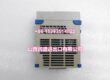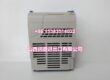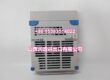
Component Snapshot At-a-Glance
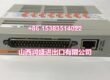
- Model: Triconex 5411H; harsh environment coated variant 5411HC
- Alt. P/N: 5401 (standard low-current unsupervised DO, non-interchangeable drop-in)
- Product Series: Triconex Trident TMR SIL3 Safety Instrumented System
- Hardware Type: Hot-swappable triple redundant supervised high-current digital output TriPak rack card
- Key Feature: 4 triplicated 24V high-current output channels, quad-series parallel 2oo3 voter circuitry, full load supervision, periodic Output Voter Diagnostic (OVD) latent fault testing
- Primary Field Use: Drive high-draw SIL3 ESD trip solenoids, fuel shutoff valves, fire suppression release coils for refinery, power, offshore SIS racks.
Hard-Numbers: Technical Specifications
- Protocol Support: Trident proprietary triplicated backplane bus; paired with 3008 main safety processor
- Port Count: 4 field output channel paths; triple isolated backplane SmartSlot edge connector; front per-channel status/fault LEDs
- Baud/Data Rate: Global chassis scan cycle 0.5ms; OVD latent fault test per channel every 500ms; millisecond SOE event timestamping
- Operating Temperature: 0°C to +60°C standard 5411H; 5411HC rated -40°C to +70°C salt fog/oil mist enclosures
- Isolation Rating: 2500VAC opto-galvanic isolation between field wiring and three independent TMR slices
- Power Draw: Max 13W full channel load; baseplate supply 19.2–30VDC nominal 24V
- Field Output Electrical: 24VDC nominal, 2A continuous per channel high-current drive; full load supervision detects open/shorted solenoid coils; TVS inductive kickback suppression
- Diagnostic Hardware: Per-channel stuck-on/stuck-off detection, slice discrepancy alarms, OVD latent driver fault testing, wire break monitoring
- Safety Rating: IEC 61508 SIL3 TÜV certified; Class I Div 2 / ATEX Zone 2 non-incendive approval
- Physical: Standard Trident SmartSlot form factor; weight 1.05kg; fully hot-swappable live rack replacement without full SIS shutdown
The Real-World Problem It Solves
Low-current unsupervised 5401 DO cards cannot handle high-wattage trip solenoids; missing full load supervision lets broken coil wiring go undetected until safety trip failure. Non-quad voter output hardware creates single-point driver failure risk that disables critical shutdown circuits.
- Where you’ll typically find it:
- Refinery hydrocracker SIS racks driving high-current depressurization and isolation valve trip solenoids
- Combined-cycle power plant burner management safety cabinets controlling main fuel gas shutoff valve coils
- Offshore platform hazardous zone ESD control racks using 5411HC coated hardware to resist salt fog and condensation PCB corrosionQuad-series parallel 2oo3 voter circuits maintain valid output state if one slice driver fails, built-in load supervision exposes broken solenoid wiring before unit upset, and high-current rating eliminates external relay interposing hardware for heavy safety actuator loads.
Hardware Architecture & Under-the-Hood Logic
This card houses three fully independent lock-step output slices plus dedicated quad-series parallel voter circuitry on a single PCB; every trip command passes simultaneous evaluation and hardware 2-out-of-3 voting before energizing field solenoid loads.
- Rack 24VDC baseplate power splits to three electrically isolated power rails, one dedicated to each TMR slice to eliminate cross-slice electrical noise crosstalk.
- Each of the four field output channels feeds three parallel power driver circuits with bidirectional TVS surge suppressors to absorb solenoid inductive kickback.
- Unique quad-series parallel voter logic enforces 2oo3 conduction; only two or more matching drive signals will energize the field load, single-slice faults cannot create false trip/reset states.
- Continuous load current sensing monitors coil continuity; open coil, shorted wiring or partial winding failure triggers local channel fault LED and HMI alarm tag.
- Automatic periodic OVD diagnostic reverses single-slice drive signals sequentially to uncover latent stuck driver faults without toggling safety valve states; all fault events log millisecond SOE timestamps for incident review.
- 5411HC full acrylic conformal coating seals power drivers, opto-isolators and PCB traces to block salt fog, oil mist, and humidity in unconditioned offshore/refinery control rooms.
Field Service Pitfalls: What Rookies Get Wrong
Double-End Grounding Solenoid Output Shield Cables
New techs ground shield braid at both FTA terminal block and remote valve junction boxes. Ground loop AC noise creates fluctuating coil voltage, causing intermittent solenoid chattering and false load open-circuit fault alarms during VFD compressor cycling.
- Field Rule: Terminate cable shield only at the Trident SIS rack chassis ground bar; tape and fully isolate shield conductors at all remote actuator enclosures.
Substituting Low-Current 5401 DO Card In Place Of 5411H
Rookies swap spare 5401 unsupervised low-current modules into slots wired for high-draw trip solenoids. Undersized drive circuits overheat, trigger persistent overcurrent faults and fail to reliably pull in critical safety valve coils.
- Quick Fix: Strict part number matching: 5411H exclusively for high-current supervised trip solenoid loads; 5401 reserved for low-current auxiliary discrete signals only.
Disabling OVD Latent Fault Diagnostics To Clear Nuisance Alarms
Techs turn off OVD testing to eliminate minor driver discrepancy alerts from aged card hardware. Disabling latent fault detection removes visibility to stuck output drivers, creating undetected single-point ESD trip failure risk.
- Field Rule: Leave OVD diagnostics enabled on all SIF safety output channels; replace aging 5411H modules instead of disabling safety diagnostic logic.
Commercial Availability & Pricing Note
Please note: The listed price is for reference only and is not binding. Final pricing and terms are subject to negotiation based on current market conditions and availability.