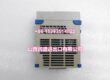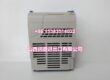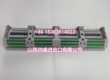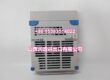
Component Snapshot At-a-Glance
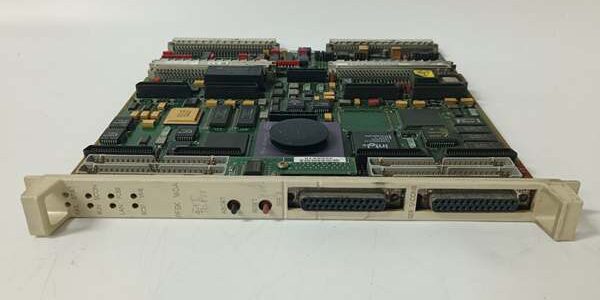
- Model: 3BSE009514R1, internal designation PFSK160A
- Alt. P/N: No direct drop-in cross substitute; replacement must match full part number suffix
- Product Series: ABB Master DCS / VME-based modular process control platform
- Hardware Type: VME rack mounted integrated multi-I/O processor controller board
- Key Feature: Onboard load cell excitation, mixed analog/digital I/O, dual RS232 serial + Ethernet comms, integrated 24V auxiliary field power supply
- Primary Field Use: Executes closed-loop weight/flow process control, interfaces load cell transmitters, valve positioners and discrete interlock switches in refinery, pulp & paper, power plant DCS racks.
Hard-Numbers: Technical Specifications
- Protocol Support: VME backplane internal bus, Ethernet TCP/IP, RS232 point-to-point serial, Modbus RTU over serial
- Port Count: VME front panel dual DB9 RS232; RJ45 Ethernet; rear VME edge connector; terminal block I/O header for field wiring
- Baud/Data Rate: Serial baud 300–115200; Ethernet 10/100Mbps auto duplex; VME backplane scan cycle 10ms minimum
- Operating Temperature: -20°C to +60°C standard uncoated; coated variants rated -40°C to +70°C salt fog/oil mist enclosures
- Isolation Rating: 1500VAC opto-isolation separating field I/O circuits from CPU core logic
- Power Draw: Max 45W total board consumption; rack input 24VDC 18–30V range; onboard auxiliary 24V output 0.5A max for field instruments
- Onboard I/O Breakdown: 2/4 channel load cell analog input; 4-channel analog output (0–20mA / 0–10V); 8 digital inputs; 8 digital relay discrete outputs
- Physical: 263mm H × 138mm W × 88mm D; unit weight 1.5kg; standard 6U VME rack slot form factor
- Certifications: CE industrial EMC, UL general industrial approval; non-SIL standard control hardware (not rated for SIS safety loops)
The Real-World Problem It Solves
Stacking separate load cell signal conditioners, analog output cards, discrete relay boards and standalone communication modules wastes multiple VME rack slots and creates dozens of vibration-prone inter-board wiring splices that drift under continuous plant runtime. Separate auxiliary 24V power feeds add extra DIN rail distribution hardware for weighing instrumentation loops.
- Where you’ll typically find it:
- Refinery blending unit DCS racks running mass flow and tank load cell weighing control loops
- Pulp & paper mill stock preparation cabinets controlling feeder valves and bin level interlocks
- Combined-cycle power plant auxiliary balance-of-plant control racks handling fuel feed weight measurementIntegrating weighing excitation, mixed analog/digital I/O and dual communication ports onto a single VME CPU card reduces spare part stock count, eliminates inter-card signal splices and supplies dedicated filtered 24V power for load cell transmitters without external PDUs.
Hardware Architecture & Under-the-Hood Logic
This unit contains an onboard dedicated industrial microprocessor that runs local closed-loop control independent of higher-level DCS host controllers; all field signal sampling, weight calculation and output regulation executes locally on the board before data upload over Ethernet/serial.
- Rack 24VDC input feeds isolated multi-stage internal PSU; split power rails separate CPU core logic, communication transceivers and field I/O conditioning circuits to eliminate cross-talk noise.
- Precision load cell excitation circuit generates stable regulated sense current for strain gauge transmitters; onboard ADC samples millivolt weight signals at 100Hz with built-in digital low-pass filtering to suppress conveyor vibration noise.
- Four isolated analog output channels drive 4–20mA valve positioners; each channel includes current limiting and short-circuit lockout to protect internal DAC hardware from field wiring shorts.
- Eight digital input opto-coupler circuits read dry contact interlock signals; eight mechanical relay outputs switch 24V discrete loads for feeder motors and isolation valves.
- Dual independent RS232 serial ports connect local operator displays or handheld engineering laptops; isolated Ethernet port transfers weight logs, setpoints and alarm data to central DCS host.
- Front panel status LEDs show board power, CPU run state, Ethernet link activity and collective I/O fault flag for local troubleshooting without laptop software.
Field Service Pitfalls: What Rookies Get Wrong
Dual-End Grounding Load Cell & Analog Signal Shield Cables
New techs ground shield braid at both the 3BSE009514R1 terminal header and remote weighing tank junction boxes. Ground loop AC noise distorts millivolt load cell readings, triggering constant weight offset drift and false high/low material level alarms during VFD conveyor cycling.
- Field Rule: Terminate all analog field cable shield braid only at the VME rack chassis ground bar; tape and fully isolate shield conductors at all remote load cell enclosures.
Overloading Onboard 0.5A Auxiliary 24V Output
Techs wire multiple high-current load cell transmitters and small solenoids to the board’s internal auxiliary power rail, exceeding the 0.5A limit. Overcurrent protection cuts the excitation supply, dropping all weighing measurements mid-batch run.
- Quick Fix: Split field instrument loads across external DIN rail PDUs if total draw exceeds 0.5A; reserve the onboard 24V rail for low-power load cell excitation only.
Mismatched Firmware With Host DCS Controller Post Board Swap
Rookies replace a faulty 3BSE009514R1 without flashing matching firmware revision to the rack host DCS CPU. Version incompatibility breaks Ethernet data exchange, lights steady red board FAULT LED and halts all local weighing closed-loop control.
- Field Rule: Load unified matching firmware for rack host and all PFSK160A controller boards; run full load cell calibration and loop test before restoring automatic blending control.
Commercial Availability & Pricing Note
Please note: The listed price is for reference only and is not binding. Final pricing and terms are subject to negotiation based on current market conditions and availability.