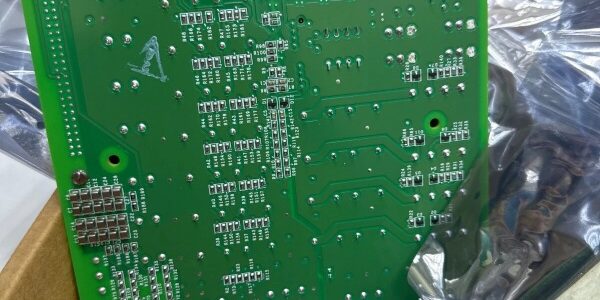
Component Snapshot At-a-Glance
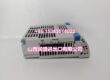
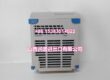
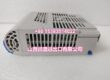
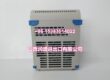
- Model: IS200JPDGH1A
- Alt. P/N: IS200JPDGH1ABD (conformal coated harsh environment variant)
- Product Series: GE Speedtronic Mark VIe / VIeS Turbine Control PDM Power Distribution Module
- Hardware Type: Passive rack-mount central DC power distribution PCB with fault sensing
- Key Feature: Dual diode-OR 28VDC redundant input, fused multi-outputs, built-in AC auxiliary voltage monitoring, daisy-chain fault ribbon to IS220PPDAH1A
- Primary Field Use: Distribute isolated 28V control power + 24/48V transmitter wetting power for gas/steam turbine Mark VIe CPU, I/O packs, network switches, and field analog loops.
Hard-Numbers: Technical Specifications
- Protocol Support: Analog fault signal bus to IS220PPDAH1A; no onboard digital processing
- Port Count: Dual 28VDC input terminals; fused 28V control outputs (4x JPDH expansion ports, 7x I/O wetting harness ports); dual AC sense inputs; multi-conductor PPDA feedback ribbon connector; front multimeter test points
- Baud/Data Rate: No digital bus; fault signals sampled at 100ms cycle by paired PPDA I/O pack
- Operating Temperature: 0°C to +60°C (base A); -40°C to +70°C coated ABD variant
- Isolation Rating: 1500VAC reinforced isolation between 28V power bus and AC sense / fault monitoring circuits
- Power Draw: Max 40A total combined 28VDC output capacity; operating input range 24–30VDC
- Wetting Power Buses: Configurable isolated 24VDC or 48VDC for field transmitter excitation
- Ground Fault Circuit: Onboard 12kΩ center-tap resistors (JP1 jumper selectable) for DC ground fault detection
- Physical Specs: 165.1mm H × 178mm W; weight 0.91kg; vertical Mark VIe rack screw mount
- Hot Swap: Not hot-swappable; full dual 28V LOTO required before removal
The Real-World Problem It Solves
Separate 28V control distribution, 24/48V instrument power, and auxiliary AC monitoring terminal strips waste multiple rack slots and add dozens of vibration-prone wiring splices. Single-source 28V power feeds risk full turbine control loss if one rectifier fails mid-load.
- Where you’ll typically find it:
- Combined-cycle gas turbine Mark VIe control racks feeding PVIB vibration, PPRO overspeed, WROB relay I/O packs
- Steam generator auxiliary cabinet power distribution for UCSA standalone controllers and Ethernet switches
- Refinery compressor SIS control cabinets using IS200JPDGH1ABD coated variant for oily, high-humidity enclosuresConsolidating all DC power distribution and AC health monitoring onto one fused rack card cuts spare part stock and eliminates single-point 28V feed failure risk via internal diode OR-ing.
Hardware Architecture & Under-the-Hood Logic
This board has no onboard microprocessor; all fault interpretation and data transmission relies entirely on the matched IS220PPDAH1A diagnostic I/O pack. It only performs power splitting, isolation, fuse protection, and analog fault signal generation.
- Primary and backup 28VDC rack power enter dual input terminals; internal power diodes automatically switch loads to the healthy feed if one supply drops out.
- Main 28V bus splits to independent fused branches: four expansion outputs for JPDH high-density power boards, seven dedicated harness ports for I/O pack wetting power.
- Isolated auxiliary power rails generate selectable 24V or 48V loop excitation, electrically separated from core 28V control bus to block field sensor ground loop noise.
- Dual AC sense terminals tap cabinet auxiliary AC feeds; resistive divider circuits convert raw AC voltage to low-level analog signals for PPDA undervoltage / AC loss alarms.
- Ground fault detection circuit uses jumper-selectable 12kΩ center-tap resistors to detect positive/negative bus short-to-ground, feeding fault state to the PPDA ribbon bus.
- All fault states (blown fuse, bus undervoltage, AC loss, DC ground fault) aggregate over one multi-conductor ribbon cable to the PPDA pack, which converts analog signals to IONet Ethernet tags for HMI historian logging.
Field Service Pitfalls: What Rookies Get Wrong
Dual-End Grounding Wetting Power & AC Sense Shield Cables
New techs ground shield braid at both the JPDG terminal block and remote instrument junction boxes. Ground loop current distorts AC voltage and wetting bus sampling values, triggering constant false undervoltage and ground fault alarms during VFD compressor cycling.
- Field Rule: Terminate all signal cable shields only at the Mark VIe rack chassis ground bar; tape and fully isolate shield conductors at all remote field enclosures.
Skipping Dual 28V LOTO Before Board Removal
Rookies only lock out one 28V rectifier feed, leaving the second live. Exposed high-current DC terminals create shock hazards, and accidental bus short can trigger unplanned turbine ESD trip.
- Quick Fix: Lock/tag both primary and backup 28V power breakers; wait minimum 3 minutes for onboard bulk capacitors to fully discharge before touching terminals or extracting the board.
Installing Overrated Replacement Branch Fuses
Techs swap blown fuses with higher amp ratings to stop repeat nuisance trips. Oversized fuses fail to clear field wiring shorts, burning PCB copper traces and creating permanent loss of I/O power circuits.
- Field Rule: Only install OEM GE fuses matching the printed amp rating on each branch silkscreen; log all fuse replacements in turbine maintenance work orders.
Commercial Availability & Pricing Note
Please note: The listed price is for reference only and is not binding. Final pricing and terms are subject to negotiation based on current market conditions and availability.