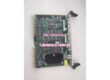
Component Snapshot At-a-Glance
- Model:
- Alt. P/N: No direct cross-reference; predecessor , manufacturer discontinued part
- Product Series: Molex Woodhead SST VME PROFIBUS Communication Platform
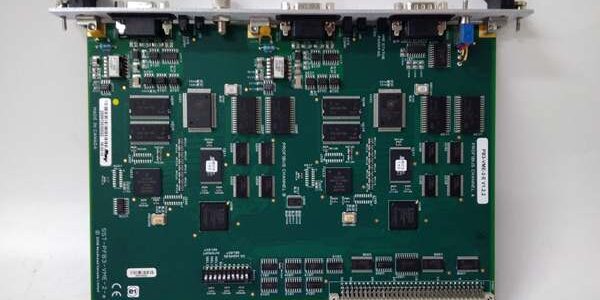
- Hardware Type: 6U VME form factor dual independent PROFIBUS DP master interface card with on-board dedicated processors
- Key Feature: Two isolated DP channels, Class1/Class2 DP-V0/DP-V1 multi-master support, 1500VAC galvanic isolation per bus port
- Primary Field Use: Bridge VME single-board computer / VME-based DCS racks to PROFIBUS DP field networks for gas/steam turbine, paper mill and refinery automation control.
Hard-Numbers: Technical Specifications
- Protocol Support: PROFIBUS DP-V0, DP-V1, multi-master token passing, SYNC/FREEZE synchronous motion commands
- Port Count: 2×DB9 PROFIBUS front panel connectors, rear full VME64x backplane edge connector, front status LED bank (PWR, SYSFAIL, COMM per channel)
- Baud/Data Rate: DP baud rates selectable 9.6kbps up to 12Mbps; internal VME parallel bus high-speed cyclic data exchange
- Operating Temperature: 0°C to +60°C full rated communication performance; storage -40°C to +85°C
- Isolation Rating: 1500VAC galvanic isolation separating each PROFIBUS channel from VME backplane logic
- Power Draw: 180mA typical @ +5VDC VME backplane supply; total power dissipation <1.5W
- VME Form Factor: Standard 6U VME card; dimensions 233mm H × 130mm W × 28mm D, unit weight 0.3kg
- Humidity Rating: 5%–95% RH non-condensing
- Hot Swap: Not hot-swappable; full VME chassis LOTO power shutdown required for card extraction
- PCB Treatment: Standard industrial coating for light dust/moisture cabinet environments
- Max Slave Nodes: Up to 31 DP slaves per independent channel
The Real-World Problem It Solves
Single-channel VME PROFIBUS cards limit network expansion and create single communication failure points; separate two single-port cards waste multiple VME rack slots and duplicate driver licensing costs. Unisolated DP adapters allow VFD-induced ground loop noise to crash PROFIBUS token rotation, triggering mass slave offline alarms during pump/compressor cycling. Generic third-party VME DP boards lack certified DP-V1 acyclic parameter access, breaking remote transmitter calibration workflows on critical process units.Where you’ll typically find it:
- GE Mark VI / Mark VIe VME turbine control racks communicating with PROFIBUS valve positioners and vibration monitors
- Large paper machine VME DCS cabinets running dual independent DP trunks for drive and tension load cell slaves
- Refinery compressor VME safety racks connecting PROFIBUS flow transmitters and ESD trip relaysDual isolated DP channels consolidate two fieldbus networks into one VME slot, full DP-V1 compliance supports device diagnostics and calibration, and robust galvanic isolation mitigates industrial electrical interference without external signal isolators.
Hardware Architecture & Under-the-Hood Logic
This VME communication card hosts two fully independent on-board microprocessors; each processor manages its own PROFIBUS channel separately, eliminating cross-channel bus noise interference. It operates as a hardware bridge between the VME host CPU and field DP devices.
- +5VDC power supplied exclusively via rear VME backplane edge connector; isolated regulator rails split power for each of the two DP processing cores.
- Dedicated processor per DP channel handles token passing, cyclic I/O data exchange, and acyclic DP-V1 diagnostic messaging independent of the VME host SBC.
- Per-channel 1500VAC isolation barriers block voltage transients from field DP wiring to prevent VME backplane bus corruption.
- Front DB9 DP ports route differential A/B RS485 bus signals; each channel includes hardware watchdog timer to flag firmware lockup via red COMM LED.
- VME memory-mapped register space enables the host VME single-board computer to read slave input data and write output setpoints cyclically.
- Front panel LED indicators: Green PWR for backplane power, red SYSFAIL for VME bus errors, red/green COMM per channel to signal bus fault or healthy token rotation.
- Onboard non-volatile flash stores DP network configuration, baud rate, slave address mapping and firmware image to retain settings after full chassis power loss.
Field Service Pitfalls: What Rookies Get Wrong
Incorrect PROFIBUS Termination Resistor Placement Breaks Token Rotation
New technicians leave 120Ω termination jumpers enabled on mid-trunk DP taps or disable them on the physical last slave of each bus channel. Signal reflections corrupt DP data, trigger constant COMM red LED faults and intermittent slave dropouts.Field Rule: Set DB9 connector termination switch ON only for the absolute last device on each DP trunk; switch channel taps and slave nodes.
Dual-End Grounding DP Cable Shields Induces Severe Bus Interference
Junior staff ground DP shield braid at both the VME cabinet ground bar and remote field slave junction boxes. Parallel ground loop AC noise distorts differential RS485 signals and generates random mass slave disconnections during VFD startup.Quick Fix: Terminate DP cable shield only at the VME control cabinet ground bar; fully tape and isolate shield conductors at all remote PROFIBUS slave enclosures.
Memory Window Conflict With Other VME Cards Causes Card Initialization Failure
Fiel without adjusting VME address mapping, overlapping memory ranges with analog I/O or CPU VME boards. The host SBC fails to detect the DP card at boot and logs VME bus SYSFAIL errors.Field Rule: Reassign unused VME memory address space in the host OS driver before card installation; verify no resource overlap with other VME modules via chassis diagnostic software post-install.
Commercial Availability & Pricing Note
Please note: The listed price is for reference only and is not binding. Final pricing and terms are subject to negotiation based on current market conditions and availability.