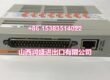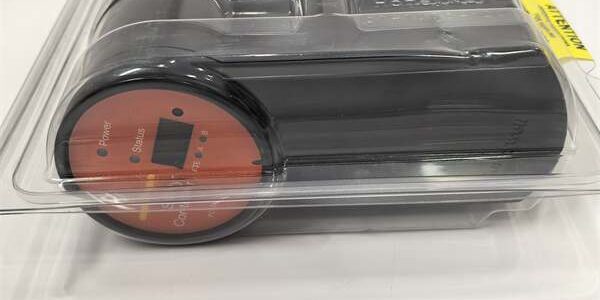
Component Snapshot At-a-Glance
- Model: FC-SCNT01
- Alt. P/N: 51454926-176; pin-compatible drop-in replacement FC-SCNT02
- Product Series: Honeywell Safety Manager SC / S300 SIS Safety Instrumented System
- Hardware Type: SIL3-certified dual-channel safety logic solver main controller
- Key Feature: QMR (2oo4D) fault-tolerant architecture + dual redundant safety Ethernet, hot-swappable
- Primary Field Use: Execute ESD, burner management, and critical safety interlock logic for high-risk refinery, gas turbine and chemical process units
Hard-Numbers: Technical Specifications
- Protocol Support: Honeywell Safety Network (HSN), Modbus TCP, Profinet, RS485 Safety Bus
- Port Count: 2×RJ45 redundant safety Ethernet, rear backplane I/O bus connector, front local service port
- Baud/Data Rate: Ethernet 10/100 Mbps auto-negotiate; RS485 max 115.2 kbps
- Operating Temperature: -40 °C to +70 °C; derate to +60 °C in sealed unventilated SIS cabinets
- Storage Temperature: -40 °C to +85 °C
- Isolation Rating: 1500 VAC galvanic isolation between safety bus, field I/O and logic circuits
- Power Draw: Max 15 W; nominal 24 VDC rack supply (21.6–26.4 VDC redundant dual power inputs)
- Safety Certification: TÜV SIL3 per IEC 61508 / IEC 61511; ATEX / IECEx compliant
- Logic Capacity: Supports up to 10,000 independent safety logic elements (SIFs)
- Response Latency: ≤20ms full safety loop reaction for emergency shutdown events
- Hot Swap: Fully hot-swappable; no full SIS rack power cut required for module exchange
- Ingress Protection: IP20, indoor control cabinet mounting only
- Mount Format: Dedicated S300 backplane rack slot, vertical forced air cooling required
The Real-World Problem It Solves
Single-channel non-redundant safety CPUs create single points of failure; minor CPU hardware faults trigger full plant ESD trips and multi-day production losses. Older non-QMR SIS controllers lack dual cross-check logic, allowing undetected internal component drift to bypass safety trip limits. Non-hot-swap legacy safety modules force complete SIS rack shutdown during replacement, violating plant safety permit procedures. Uncoated PCBs corrode fast from refinery hydrocarbon vapors, generating intermittent safety logic faults that fail SIS proof-test inspections.
Where you’ll typically find it:
- Refinery FCC and hydrocracker SIS racks for high-pressure vessel emergency shutdown logic
- Combined-cycle gas turbine Safety Manager cabinets monitoring overspeed, flame loss and lube oil low-pressure trips
- Chemical plant batch reactor ESD panels handling over-temperature and over-pressure safety interlocks
Bottom-line value statement: QMR 2oo4D dual cross-check safety architecture, redundant Ethernet and hot-swap design eliminate unplanned safety trips, simplify maintenance and maintain SIL3 compliance through all service cycles.
Hardware Architecture & Under-the-Hood Logic
This safety solver carries four independent safety processing cores running cross-verified identical logic; every safety calculation is double-validated before output commands release to field I/O. Isolation barriers block ground loop surges from long field ESD wiring runs, and the module locks to a dedicated S300 backplane.
- Dual redundant 24 VDC rack power feeds isolated regulators for four safety microprocessors and dual Ethernet transceivers
- Four independent logic cores run identical SIF ladder logic; QMR 2oo4D voting rejects mismatched calculation results to prevent false safe/false trip states
- Rear backplane bus polls all S300 SDIO discrete/analog safety I/O modules every 20ms to capture field sensor and valve feedback signals
- Dual RJ45 safety Ethernet ports maintain active/standby redundant links; auto-failover without interrupting safety loop execution
- Front-panel multi-color LED array displays rack power, safety bus health, core mismatch faults and active ESD trip status
- All safety event logs, fault counters and proof-test records store to non-volatile flash memory for Honeywell Safety Builder diagnostic retrieval
- Validated trip/reset commands transmit to field I/O modules to drive ESD solenoids, burner shutoff valves and process isolation breakers
Field Service Pitfalls: What Rookies Get Wrong
Mismatched Safety Firmware Between Redundant FC-SCNT01 Pairs
New technicians flash only primary controller firmware during SIS system upgrades. Version mismatch breaks QMR cross-core voting, disables SIL3 fault tolerance and triggers continuous core mismatch fault alarms.
- Field Rule: Upload identical firmware revisions to both primary and standby SCNT controllers; run full safety bus scan and SIF proof-test post-update before returning to service.
Dual-End Grounding of Safety Ethernet & Field DI Cable Shields
Junior crews ground shield braid at both SIS cabinet and remote ESD junction boxes. Parallel ground paths induce circulating AC noise, causing intermittent false trip signals during VFD motor switching.
- Quick Fix: Ground all safety signal cable shields only at the S300 rack terminal blocks; fully isolate and tape shield conductors at all remote field enclosures.
Blocked Cabinet Airflow Around Safety Controller Slots
Field technicians stack FC-SCNT01 flush against high-power relay I/O modules with zero vertical clearance. Internal PCB temperature exceeds 60 °C, triggering core watchdog resets and silent safety loop freeze events that fail proof tests.
- Field Rule: Reserve minimum 1 empty rack slot above and below each SCNT controller; install cabinet exhaust fans if plant ambient exceeds 40 °C, clean intake filters every 90 days in refinery environments.
Commercial Availability & Pricing Note
Please note: The listed price is for reference only and is not binding. Final pricing and terms are subject to negotiation based on current market conditions and availability.