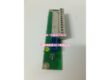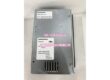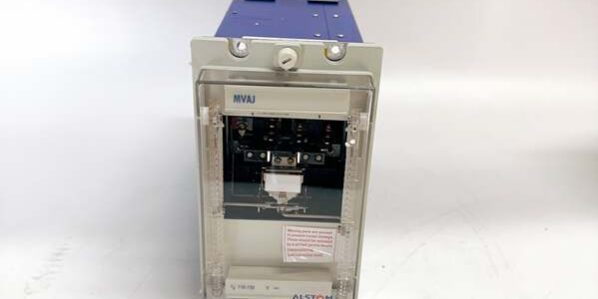
Component Snapshot At-a-Glance
- Model: MVAJ27L1FB0784D
- Alt. P/N: MVAJ27B1FB0784D (medium-burden coil variant, higher DC draw); MVAJ28 (electrical reset only); MVAJ53 (no internal drop-off delay)
- Product Series: MVAJ Midos electromechanical trip/lockout relay family, shared rack base with MCGG/MVAX/MVTT protection relays
- Hardware Type: Full withdrawable plug-in latching trip relay, blue aluminum industrial chassis, transparent front window with mechanical trip flag
- Key Feature: L-series low-burden 110/125VDC coil, internal 40–60ms time delayed coil cut-off, mechanical hand-reset latch, multi-stack arc-resistant changeover contacts
- Primary Field Use: Latch breaker trip signals and hold fault lockout logic; built-in short drop-off delay ensures auxiliary flag relays complete operation before main coil power drops.
Hard-Numbers: Technical Specifications
- Protocol Support: Pure electromechanical hardware, no digital bus communication; volt-free C/O trip/alarm contact outputs
- Port Count: DC coil supply terminals, multi-pole independent contact terminal stacks for trip, local alarm and SCADA remote indication
- Baud/Data Rate: No serial data transmission
- Operating Temperature: -10°C to +55°C cabinet operational; -40°C to +85°C storage
- Isolation Rating: 2000Vrms dielectric withstand between coil circuit and contact wiring
- Power Draw: Low-burden L coil, minimal DC battery load on densely packed multi-relay panels
- Nominal Coil Voltage: 110/125 VDC station control battery, stable pickup at 70% rated voltage
- Drop-off Delay Window: Fixed 40–60ms internal copper slug delay before coil current cuts to zero post energization
- Reset Method: Front panel mechanical hand-reset trip flag; latched state holds after coil de-energizes
- Operate Speed: ≤10ms full armature pull-in at rated DC voltage
- Contact Continuous Rating: 5A @300VDC resistive load; 40W DC inductive breaking capacity with integrated magnetic blowout plates
- 3s Fault Make/Carry Rating: 30A peak for transient breaker trip coil switching
- Mechanical Endurance: 10,000 loaded fault operations minimum
- Physical Weight: 0.43kg fully assembled draw-out unit
The Real-World Problem It Solves
Standard non-delayed MVAJ53 latching relays cut coil power instantly after energization. Series fault flag/aux relays lack enough time to actuate, resulting in missing local fault indications and blank SCADA fault logs.External discrete RC timing relays add extra rack slots and wiring splices that vibrate open over years of plant cycling; MVAJ27 embeds the required 40–60ms delay inside the chassis to eliminate external timing hardware.High-burden MVAJ27B coils draw heavy DC load during simultaneous multi-feeder faults; station battery voltage collapses, and lockout trip logic fails to engage for critical transformer/generator faults.Self-reset MVAA relays drop fault status the instant protection clears a fault; locked-out breakers require permanent visual latched flag to prevent re-closure before technician inspection.Where you’ll typically find it:
- Fossil power plant generator, main transformer and boiler feeder critical protection lockout panels
- Refinery MV compressor and process pump MCC fault latching trip coordination schemes
- Urban distribution primary substation transformer secondary breaker lockout control cabinetsThis single draw-out low-burden trip relay delivers built-in short drop-off delay for auxiliary flag coordination and mechanical visual fault latching without extra timing hardware for high-risk equipment circuits.
Hardware Architecture & Under-the-Hood Logic
This unit uses dual armature electromagnetic design with copper slug delay element and mechanical spring latch, no onboard microprocessor or signal sampling ICs. It shares standardized Midos rack mechanical design with all ALSTOM Midos protection hardware for consistent cabinet layout.
- Protection fault contact closes to energize the L low-burden DC main coil; magnetic flux pulls primary armature closed and engages internal mechanical latch to hold contact state.
- Secondary delay armature with copper slug energizes simultaneously; internal auxiliary contact maintains main coil current for fixed 40–60ms to allow series flag relays to complete operation.
- After delay window elapses, delay armature resets, opening holding contact and cutting main coil current to zero; mechanical latch retains all trip/alarm contacts in fault state.
- Low-wattage L-series coil winding limits total DC load draw on station battery, preventing uneven voltage sag across multi-relay panels during concurrent multi-circuit fault events.
- Multi-stack silver alloy contacts with magnetic blowout plates extinguish DC inductive arcs from breaker trip coils, stopping permanent contact welding during heavy fault switching.
- Front panel transparent window exposes red mechanical trip flag; flag stays latched until manual front pushbutton reset for instant on-site fault identification without workstation access.
- Rear Midos rack terminal base pre-fitted with factory CT short-circuit jumpers; full chassis withdrawal possible without disconnecting CT secondary wiring to eliminate lethal open CT kilovolt surge hazards.
Field Service Pitfalls: What Rookies Get Wrong
Swapping MVAJ27B Medium-Burden Coil Variant For MVAJ27L Low-Burden Unit
New technicians install MVAJ27B spare stock without matching model suffix. During multi-feeder simultaneous short-circuit faults, total DC load spikes and bus voltage collapses; medium-burden coils dropout prematurely, lockout trip logic fails and equipment sustains catastrophic winding damage.Field Rule: MVAJ27L low-burden variant mandatory for dense multi-relay protection panels; segregate L and B coil MVAJ27 spares in clearly labeled locked storage bins.
Skipping CT Short Jumper Installation Before Withdrawing Draw-out Relay
Apprentices pull the relay chassis straight out without shorting CT terminals on the rack base. Open CT secondary windings generate kilovolt surge that damages upstream MCGG overcurrent relay sampling boards and creates cabinet electric shock hazard.Quick Fix: Always install factory CT short-circuit jumpers on the Midos base terminal strip before removing any draw-out MVAJ trip relay unit.
Forgetting Manual Front Flag Reset After Clearing Fault Trip
Maintenance crews only reset DCS logic and ignore the mechanical front flag. Latched flag blocks subsequent protection trip operation, creating hidden single-point failure risk for the next equipment fault event.Field Rule: Manually depress front reset flag after every fault trip and before returning relay online; visually confirm flag returns to normal unlatched position.
Modifying Internal Copper Slug Delay For Faster Coil Cut-off
Techs remove the copper delay slug to eliminate the 40–60ms hold window. Series fault flag and SCADA auxiliary relays fail to actuate, operators receive no permanent fault indication after breaker trip.Field Rule: Never alter or remove the factory copper delay slug; the built-in drop-off delay is mandatory for coordinated fault flagging logic.
Commercial Availability & Pricing Note
Please note: The listed price is for reference only and is not binding. Final pricing and terms are subject to negotiation based on current market conditions and availability.