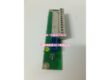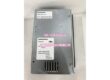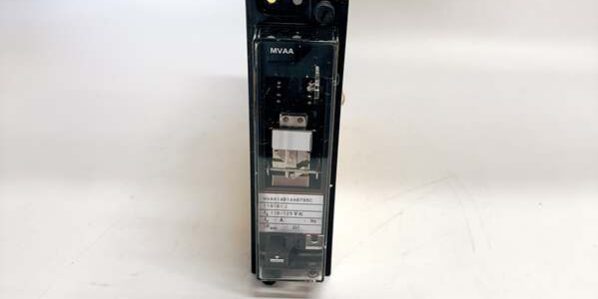
Component Snapshot At-a-Glance
- Model: MVAA14B1AA0785C
- Alt. P/N: MVAA14D1AA0785C (low-burden coil variant, different DC draw); MVAA11 (self-reset no latch); MVAA13 (hand-reset mechanical latch)
- Product Series: MVAA Midos auxiliary relay family, shared rack base footprint with MCGG/MVAJ/MVAX protection relays
- Hardware Type: Full withdrawable plug-in electromechanical auxiliary relay, yellow aluminum industrial chassis, transparent front inspection cover
- Key Feature: B-series medium burden 110/125VDC coil, electrical reset latching logic, multiple changeover contact stacks for scheme expansion
- Primary Field Use: Expand protection relay contact count and latch fault signals; reset via remote electrical pulse instead of manual front panel pushbutton.
Hard-Numbers: Technical Specifications
- Protocol Support: Electromechanical only, no digital bus communication; volt-free C/O alarm/trip contact outputs
- Port Count: DC coil supply terminals, dedicated electrical reset input terminals, multi-pole contact output terminal sets
- Baud/Data Rate: No serial data transmission
- Operating Temperature: -10°C to +55°C cabinet operational; -40°C to +85°C storage
- Isolation Rating: 2000Vrms dielectric withstand between coil circuit and contact wiring
- Power Draw: Medium burden B coil, balanced DC battery load on dense multi-relay panels
- Nominal Coil Voltage: 110/125 VDC station control battery
- Reset Method: Electrical pulse reset (no mechanical hand-reset flag)
- Contact Continuous Rating: 5A @300VDC resistive load; 40W DC inductive breaking capacity
- Contact Configuration: Multiple silver alloy changeover contact sets for multi-circuit alarm/intertrip routing
- Max Reset Pulse Duration: Minimum 100ms DC pulse required to unlatch fault state
- Physical Weight: 0.41kg fully assembled draw-out unit
The Real-World Problem It Solves
Standard self-reset MVAA11 relays drop fault indication the moment protection clears a fault. Operators lose permanent fault latched status until someone views SCADA history logs.Hand-reset MVAA13 units require on-site personnel to physically press the front reset button; remote control rooms cannot clear latched fault logic without sending a technician to the substation cabinet.Low-burden MVAA14D coils create unbalanced DC load distribution across packed protection panels; simultaneous multi-feeder faults trigger uneven DC bus sag and intermittent relay dropout.Stacking multiple small auxiliary relays wastes critical rack slot space and adds dozens of wiring splices that corrode or vibrate open over long run times.Where you’ll typically find it:
- Fossil power plant generator and transformer primary protection interlock panels
- Refinery MV motor MCC fault latching schemes with remote control room reset capability
- Urban distribution substation ring main unit remote SCADA fault indication logicThis single draw-out auxiliary relay delivers electrically resettable fault latching and extra contact capacity without manual cabinet reset trips for remote-operated substations.
Hardware Architecture & Under-the-Hood Logic
This unit uses a hinged armature electromagnetic coil with internal electrical latching mechanism, no onboard microprocessor or signal sampling ICs. It shares Midos rack base mechanical design with all ALSTHOM Midos protection hardware for standardized cabinet layout.
- Protection fault contact energizes the main B-series medium burden coil; armature pulls closed and mechanical internal latch holds contact state after coil de-energizes.
- Separate dedicated reset input terminals accept a 100ms minimum DC pulse to release the internal latch and return all contacts to normal healthy state.
- Medium-wattage B coil winding balances total DC load draw on station battery, preventing uneven voltage sag across densely populated multi-relay panels during concurrent fault events.
- Multi-stack silver alloy arc-resistant contacts split single fault signals across local panel alarm lamps, breaker intertrip logic, and remote SCADA discrete inputs simultaneously.
- Front panel LED indicators show coil energized status and latched fault condition for on-site visual troubleshooting without workstation access.
- Rear Midos rack terminal base integrates factory CT short-circuit jumpers; full chassis withdrawal possible without disconnecting CT secondary wiring to eliminate lethal open CT surge hazards.
Field Service Pitfalls: What Rookies Get Wrong
Swapping MVAA14D Low-Burden Coil Variant For MVAA14B Medium-Burden Unit
New technicians pull MVAA14D spare stock without matching model suffix. During multi-feeder simultaneous faults, uneven DC bus load creates localized voltage sag; low-burden coils dropout prematurely, and fault signals fail to latch for operator logging.Field Rule: MVAA14B medium-burden variant mandatory for dense multi-relay protection panels; segregate B and D coil MVAA14 spares in clearly labeled storage bins.
Skipping CT Short Jumper Installation Before Withdrawing Draw-out Relay
Apprentices pull the relay chassis straight out without shorting CT terminals on the rack base. Open CT secondary windings generate kilovolt surge that damages upstream MCGG overcurrent relay sampling boards and creates cabinet shock risk.Quick Fix: Always install factory CT short-circuit jumpers on the Midos base terminal strip before removing any draw-out relay unit.
Using Front Panel Pushbutton Reset Procedure For MVAA14 Electrical Reset Model
Maintenance crews attempt to manually reset the latched relay via front cover; MVAA14 has no mechanical reset button, and repeated manual prying damages the transparent inspection cover and internal latch assembly.Field Rule: MVAA14 only resets via dedicated electrical pulse wiring; wire a remote control room reset pushbutton to the reset terminals for clearing latched fault states.
Commercial Availability & Pricing Note
Please note: The listed price is for reference only and is not binding. Final pricing and terms are subject to negotiation based on current market conditions and availability.