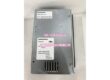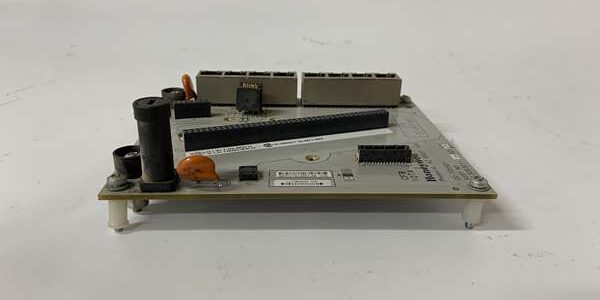
Component Snapshot At-a-Glance
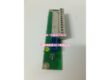
- Model: CC-TCF901, factory P/N 51403427-175
- Alt. P/N: DC- (conformal coated offshore variant, same pinout; CC-HCN911 horizontal FTE hub base, incompatible CF9 hardware)
- Product Series: Honeywell Experion PKS Series C FTE Fault Tolerant Ethernet cabinet hardware, matched to CC-PCF901 CF9 firewall module
- Hardware Type: Passive rack-mount CF9 dedicated IOTA termination base, hot-swap compatible with CC-PCF901, mounts standard Series C I/O rack slots
- Key Feature: 9 integrated RJ45 FTE port landing, per-port TVS surge suppression, dedicated 24VDC power rail for firewall module, vertical gold finger mating slot for CC-PCF901
- Primary Field Use: Physical wiring termination platform for CC-PCF901 control firewall; routes all cabinet FTE controller/I/O/uplink Ethernet cables between field CAT5e runs and CF9 firewall processing hardware.
Hard-Numbers: Technical Specifications
- Protocol Support: Fully passive wiring assembly; routes raw FTE Ethernet signals to CC-’s switch/firewall ASIC, no onboard packet processing
- Port Count: 9 x RJ45 10/100/1000Base-TX integrated ports (8 local FTE device ports, 1 gigabit supervisory uplink); vertical gold finger mating slot for CC-; 24VDC rack power input header
- Baud/Data Rate: No signal conversion, passes auto-negotiate 10/100/1000Mbps Ethernet frames unmodified to plugged-in CF9 module
- Operating Temperature: 0°C to +60°C cabinet operational; -40°C to +85°C storage
- Isolation Rating: 1500Vrms port-to-power rail isolation implemented on PCB layer stack
- Power Draw: Near-zero passive board consumption; distributes 24VDC rack supply to seated CC- module, max input current 0.12A @24V
- Cable Termination Spec: RJ45 ports accept shielded CAT5e cable; internal PCB 100Ω Ethernet line termination resistors
- Surge Protection: Individual TVS transient suppressors on every RJ45 port to clamp lightning/weld voltage spikes
- Max Cable Run Length: 100m shielded CAT5e per FTE port per IEEE 802.3 standard
- Certifications: CE Class B EMC, UL recognized, ATEX Ex ec IIC T4 Zone 2 cabinet compliant
- Physical Weight: 0.18kg bare IOTA base assembly
The Real-World Problem It Solves
Running loose RJ45 patch cords direct to CC- front panel ports creates tangled cable bundles inside dense control cabinets; vibration from blowers and pumps pulls cables loose, triggering intermittent FTE packet loss and controller scan jitter.Separate external Ethernet marshalling panels add extra rack space and dozens of intermediate splice points; every splice introduces EMI leakage near VFD motor power cables. Generic uncertified terminal blocks lack per-port surge suppression; field-side voltage transients blow the CF9 firewall’s internal PHY chips and take all cabinet FTE communication offline.DC- coated variants add unnecessary cost for inland non-corrosive refinery/power plant cabinets, while CC- standard uncoated base cuts spare inventory expense for dry indoor control rooms.Where you’ll typically find it:
- Refinery FTE critical control racks housing redundant C300 ESD and distillation column controllers
- Fossil power plant boiler/turbine FTE cabinetry separating control I/O network from enterprise LAN uplinks
- Land chemical batch DCS cabinets with standard indoor cabinet environmental conditionsThis dedicated CF9 IOTA consolidates all cabinet FTE wiring, surge protection and firewall power feed into one compact base, eliminates messy loose front-panel patch cords and protects CC- PHY hardware from field-side electrical transients.
Hardware Architecture & Under-the-Hood Logic
This is a fully passive termination base with zero active processing chips; all Ethernet switching, hardware packet filtering and broadcast storm suppression logic live entirely on the CC- firewall module that plugs vertically into the IOTA gold finger slot.
- Cabinet rack 24VDC power enters rear terminal header, thick copper PCB traces distribute clean regulated power directly to the mated CC- slot.
- Nine independent port circuits each include factory calibrated 100Ω line termination resistors and TVS surge suppressors to eliminate signal reflection and clamp overvoltage spikes.
- Separated PCB trace layers isolate 8 local control FTE ports from the supervisory gig uplink port to limit cross-talk between control and enterprise LAN traffic.
- Vertical gold finger edge connector locks rigidly to the bottom edge of CC-, creating a vibration-resistant signal path without loose ribbon jumpers or adapters.
- Rack mounting standoffs secure the IOTA firmly to Series C I/O rail; rear cable entry layout keeps patch cords routed cleanly through cabinet cable ducts.
- No onboard status LEDs; all port link, broadcast flood, module run and firewall fault indicators are located on the front face of the seated CC- CF9 module.
Field Service Pitfalls: What Rookies Get Wrong
Mating CC- Firewall Module Into Non-CF9 Standard IOTA Bases
New techs force CC- into generic analog/digital I/O IOTA slots during spare swaps. Mismatched gold finger pinout blocks all power and FTE communication, CF9 module locks into permanent FAULT state, all cabinet controller FTE links drop offline.Field Rule: Only mount CC- exclusively on CC- or DC- CF9 IOTA bases; segregate CF9 network IOTA spares from analog/digital I/O IOTA in labeled storage bins to avoid cross-installs.
Disabling Built-In Termination Resistors On End-Of-Ring CF9 Ports
Apprentices remove internal Ethernet termination jumpers on the last CF9 firewall in an FTE ring to match mid-ring settings. Unterminated Ethernet signals reflect along long cabinet-to-cabinet trunks, causing packet corruption, sporadic controller disconnects and mass DCS point invalidation.Quick Fix: Leave internal 100Ω termination jumpers enabled on the two physical end nodes of every FTE ring; remove jumpers only for intermediate ring CF9 firewalls.
Running Unshielded Office CAT5 Cable For FTE Cabinet Interconnections
Crews pull unshielded CAT5 office cable for CF9 port runs routed alongside variable frequency motor power cables. EMI noise corrupts FTE Ethernet frames, triggering constant network fault alarms and slow HMI trend refresh rates.Field Rule: Use foil-shielded CAT5e cable for all FTE network runs; terminate shield drain wire only at the CC- cabinet side, tape and isolate remote switch/controller shield ends from earth ground.
Commercial Availability & Pricing Note
Please note: The listed price is for reference only and is not binding. Final pricing and terms are subject to negotiation based on current market conditions and availability.