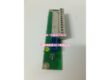
Component Snapshot At-a-Glance
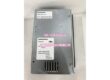
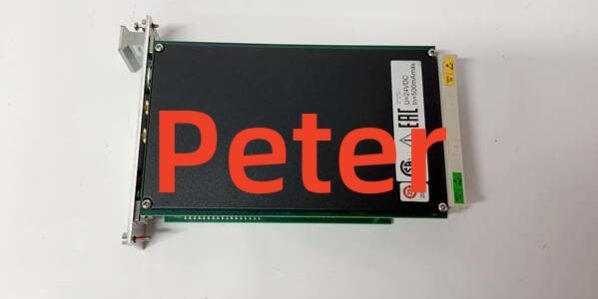
- Model: A6120
- Alt. P/N: 9199-00002
- Product Series: Emerson AMS 6500 Machinery Health Monitor
- Hardware Type: Dual-channel casing absolute vibration monitor module
- Key Feature: Integrated PeakVue diagnostics for early bearing fault detection
- Primary Field Use: Captures vibration data and provides alarm/trip protection for rotating equipment.
Hard-Numbers: Technical Specifications
- Protocol Support: Modbus TCP/IP, RS-232 local communication
- Port Count: 2 independent vibration input channels
- Frequency Range: 10 Hz to 1000 Hz standard
- Operating Temperature: -40°C to +70°C
- Isolation Rating: 1500V RMS channel-to-backplane isolation
- Power Draw: 24VDC, maximum 6W
- Measurement Units: mm/s, in/s (RMS, Peak, Peak-to-Peak)
- Output Type: 4-20mA analog, buffered raw sensor signal
- Resolution: 16-bit A/D converter
- Compliance: API 670, VDI 2059
The Real-World Problem It Solves
Basic vibration monitors miss early bearing and gear degradation, leading to unplanned downtime and costly machine failures. Non-isolated inputs pick up electrical noise from VFDs and motors, creating false alarm triggers.
Where you’ll typically find it:
- Power plant steam turbines and generator bearing housings
- Refinery process compressors and large fan assemblies
- Offshore platform rotating equipment and pump trains
This module delivers accurate vibration readings, noise rejection, and predictive fault detection for continuous machine protection.
Hardware Architecture & Under-the-Hood Logic
uses a dedicated onboard microprocessor and fully isolated signal circuits. It operates independently to process sensor data and drive alarm outputs.
- Vibration signals from velocity or acceleration sensors enter surge-protected input circuits.
- Isolation barriers separate field wiring from internal module circuitry to block ground loops.
- Onboard filters strip out unwanted frequency noise and pass valid vibration waveforms.
- MCU processes raw data, calculates amplitude values and runs PeakVue analysis.
- Threshold logic compares readings against configured alert and danger setpoints.
- Analog outputs and relay states update; fault codes and diagnostic data transmit over network.
Field Service Pitfalls: What Rookies Get Wrong
Improper sensor cable routing and shieldingNew technicians run sensor cables alongside high-current power cables. Induced electrical interference distorts vibration waveforms and causes erratic readings.
- Field Rule: Route sensor wiring in separate trays; use shielded twisted pair, ground shield only at the monitor rack end.
Incorrect frequency range configurationSetting wrong frequency bands cuts valid vibration data. Low-frequency settings fail high-speed equipment; high-frequency settings ignore structural vibration.
- Quick Fix: Match frequency range to machine RPM and equipment type before commissioning.
Loose sensor mounting hardwareHand-tightened sensors work loose under continuous machine vibration. Contact loss creates intermittent signal dropouts and constant FAULT lights.
- Field Rule: Torque sensor mounting bolts to manufacturer specs; use thread locking compound on all fasteners.
Commercial Availability & Pricing Note
Please note: The listed price is for reference only and is not binding. Final pricing and terms are subject to negotiation based on current market conditions and availability.