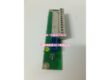
Component Snapshot At-a-Glance
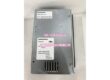
- Model: P0960AW (CP30)
- Alt. P/N: None
- Product Series: Foxboro I/A Series DCS
- Hardware Type: Backplane-mounted control processor (CPU)
- Key Feature: 32-bit RISC, 0.1μs 布尔指令,冗余以太网 / ControlNet
- Primary Field Use: Executes process control logic, manages FBM I/O, runs redundant control racks.
Hard-Numbers: Technical Specifications
- Processor: 32-bit RISC, 0.1μs / 布尔指令,0.5μs / 浮点运算
- Memory: 8MB program, 4MB data
- Protocol Support: 10/100Mbps Ethernet, ControlNet, RS-232
- Power: 24VDC, 10W typical, backplane powered
- Operating Temperature: 0°C to +60°C
- Storage Temperature: -40°C to +85°C
- Environmental Rating: ISA S71.04 G3 (high dust, corrosive)
- Isolation: Ethernet/ControlNet ports isolated from backplane
- Dimensions: 140 × 165 × 45mm
- Weight: 0.6kg
The Real-World Problem It Solves
Older 16-bit controllers choke on large PID arrays and fast logic scans, causing lag and occasional trips. Non-redundant CPUs create single points of failure that cost plants 100k+ per hour in downtime.
Where you’ll typically find it:
- Power plant boiler & turbine control racks
- Refinery distillation units and reactor controls
- Chemical plant batch and continuous process lines
It delivers enough horsepower for complex control strategies and hot-swap redundancy to keep processes online.
Hardware Architecture & Under-the-Hood Logic
This is the rack’s brain—on-board RISC CPU, dedicated memory, and isolated communication controllers. It doesn’t share processing with I/O modules.
- Backplane feeds 24VDC and redundant fieldbus data to the module.
- CPU fetches control program from flash and executes logic in 0.1μs steps.
- I/O requests routed to FBMs; sensor data fed back for PID/sequential logic.
- Redundant Ethernet/ControlNet ports sync data with peer CPUs and HMI.
- Hardware watchdog monitors CPU health; triggers failover if heartbeat stops.
- Status and fault codes logged to on-board non-volatile memory for diagnostics.
Field Service Pitfalls: What Rookies Get Wrong
Overloading the backplane with too many high-density FBMsRookies pack the rack with FBM242/FBM244 and wonder why the CP30 drops scans. Each high-channel FBM pulls extra current and bus bandwidth.
- Field Rule: Keep total rack power under 80% of backplane rating; mix high/low density I/O.
Ignoring redundant network cable quality and terminationUsing cheap CAT5 or loose connectors causes intermittent “COMM FAULT” lights. ControlNet termination resistors missing or wrong value break redundancy.
- Quick Fix: Use industrial CAT6; verify 75Ω termination at both ends of ControlNet trunk.
Firmware mismatch between primary and redundant CP30Rookies update one CPU and not the other. Mismatched firmware causes sync loss, data corruption, and unexpected failovers.
- Field Rule: Always update both primary and standby CPUs to identical firmware revision; verify checksum.
Commercial Availability & Pricing Note
Please note: The listed price is for reference only and is not binding. Final pricing and terms are subject to negotiation based on current market conditions and availability.