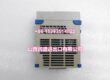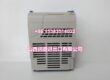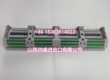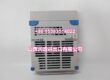
Component Snapshot At-a-Glance
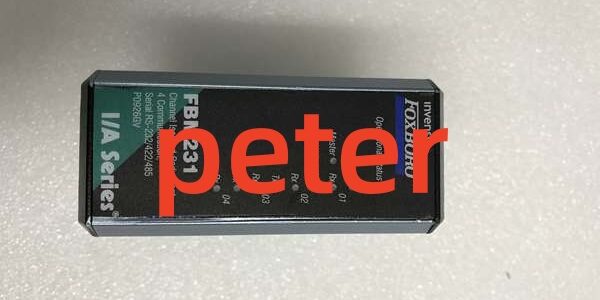
- Model: Foxboro FBM231
- Alt. P/N: P0926GV
- Product Series: Foxboro I/A Series, FBM230 Serial Subsystem
- Hardware Type: Field Device System Integrator (FDSI), multi-port serial communication module
- Key Feature: Four software-configurable serial ports with full channel isolation and redundant pairing support
- Primary Field Use: Connects RS-232/422/485 devices and Modbus RTU equipment to I/A Series DCS controllers.
Hard-Numbers: Technical Specifications
- Protocol Support: Asynchronous serial, Modbus RTU, custom serial drivers
- Port Count: 4 independent configurable serial ports
- Baud/Data Rate: 300 bps up to 115200 bps
- Operating Temperature: 0°C to +60°C, G3 non-condensing environment
- Isolation Rating: 1500 VAC channel-to-channel and channel-to-backplane
- Power Draw: 24 VDC ±10%, 7 W typical consumption
- Serial Standards: RS-232, RS-422, RS-485 per port selectable
- Data Format: 8 data bits, configurable parity and stop bits
- Max Device Load: 16 devices per RS-485 bus segment
- Mounting: Standard I/A Series FBM baseplate, hot-swap capable
The Real-World Problem It Solves
Separate single-port serial cards crowd rack space and require extra wiring. Mismatched serial settings and lack of isolation cause constant communication drops with third-party instruments and controllers.
Where you’ll typically find it:
- Power plant control racks linking RTUs, flow computers and vibration monitors
- Refinery process units connecting gas analyzers and Modbus RTU motor controls
- Chemical facilities interfacing legacy serial equipment to modern I/A DCS
This single module consolidates four serial paths and uses galvanic isolation to stabilize serial bus traffic across the plant floor.
Hardware Architecture & Under-the-Hood Logic
This module includes an onboard microprocessor to handle serial protocol processing. It operates as a backplane slave and supports paired redundancy with a second .
- Field serial signals enter dedicated transceivers for RS-232, RS-422 or RS-485 conversion.
- 1500 VAC isolation barriers separate each channel from the backplane and adjacent ports.
- Onboard MCU polls each port, parses serial frames and validates data integrity.
- Processed data packets transfer over the internal 2 Mbps fieldbus to the host FCP controller.
- Downstream commands from the DCS route back through transceivers to field devices.
- Redundant link circuitry syncs data between primary and standby units.
- Front panel LEDs display power status, port activity and active faults.
Field Service Pitfalls: What Rookies Get Wrong
Mismatched Serial Communication ParametersTechnicians set baud rate, parity or stop bits differently between and field devices. No data passes, and port fault indicators activate.
- Field Rule: Match baud rate, parity, data bits and stop bits exactly across the entire serial segment before commissioning.
Incorrect RS-485 TerminationWorkers skip 120 Ω termination resistors or add multiple terminators on one bus. Signal reflection creates corrupted frames and intermittent timeouts.
- Quick Fix: Install one 120 Ω terminator only at the farthest physical device on each RS-485 bus.
Improper Redundant Pair WiringStaff wire non-matching port numbers between primary and standby . Redundancy fails during a module fault, and connected devices drop offline.
- Field Rule: Route identical field cables to matching port numbers on both modules in a redundant pair.
Commercial Availability & Pricing Note
Please note: The listed price is for reference only and is not binding. Final pricing and terms are subject to negotiation based on current market conditions and availability.