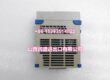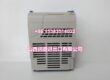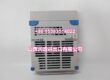
Component Snapshot At-a-Glance
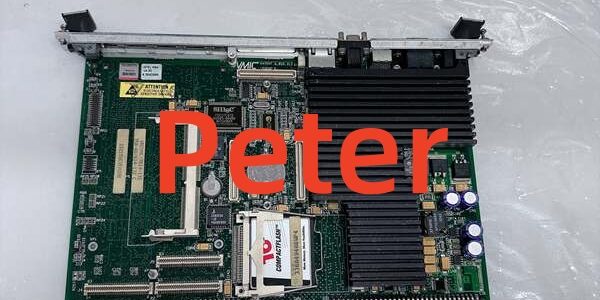
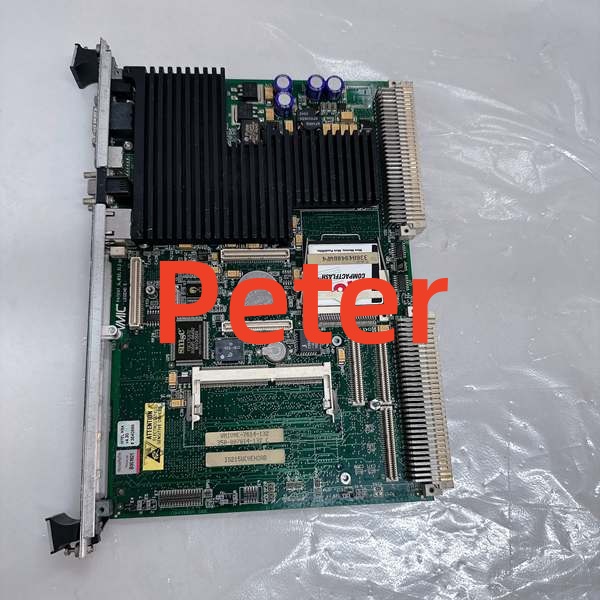
- Model: GE IS215UCVEH2AB
- Alt. P/N: UCVEH2AB
- Product Series: GE Speedtronic Mark VI, EX2100 Platform
- Hardware Type: Single-slot 6U VME main CPU controller
- Key Feature: 300 MHz processor paired with dual Ethernet and dual RS-232 serial ports
- Primary Field Use: Executes turbine control logic, manages VME I/O and network communications for standard Mark VI racks.
GE IS215UCVEH2AB
Hard-Numbers: Technical Specifications
- Protocol Support: EGD, Modbus TCP, Modbus RTU, GE proprietary protocols
- Port Count: 2 × 10/100 Mbps Ethernet, 2 × RS-232 serial
- Baud/Data Rate: Ethernet 10/100 Mbps, Serial up to 115.2 kbps
- Operating Temperature: -30°C to +65°C, non-condensing environment
- Isolation Rating: 2000 V between field circuits and internal logic
- Power Draw: 6 A typical, 8 A maximum at +5 VDC; ~30 W total power
- Processor: 300 MHz Intel Celeron
- Memory & Storage: 32 MB DRAM, 16 MB Compact Flash
- Operating System: QNX real-time operating system
- VME Interface: 32-bit VMEbus, master and slave operation
- Conformal Coating: Applied for dust and humidity resistance
The Real-World Problem It Solves
Legacy turbine controllers lack modern Ethernet connectivity and stable real-time performance, leading to slow logic scans and limited SCADA integration. Mismatched controller revisions cause boot failures and loss of turbine protection functions.
Where you’ll typically find it:
- Standard Mark VI control racks for combined-cycle power plant gas and steam turbines
- Refinery turbine and large compressor control assemblies
- Industrial power generation sites running older ControlST firmware versions
This controller fits existing VME slots and delivers reliable deterministic control without full rack hardware replacement.
Hardware Architecture & Under-the-Hood Logic
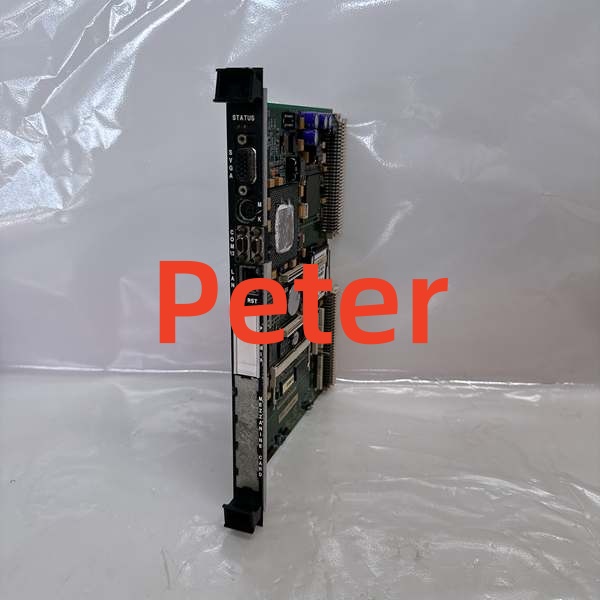
This board operates as a primary VME master with an onboard standalone processor. It requires no external processing cards to run control and communication tasks.
- VME backplane supplies +5 VDC power to internal DC-DC converters; overcurrent protection triggers front panel fault indicators.
- 300 MHz Celeron runs QNX OS, executing turbine logic stored on onboard compact flash.
- DRAM holds active runtime data and temporary I/O values during normal operation.
- Dual Ethernet ports handle real-time EGD traffic and Modbus TCP links to remote HMIs and historians.
- Dual RS-232 ports support local configuration and legacy serial device connections.
- VME bus controller communicates with all I/O cards across the rack to exchange process data.
- Hardware watchdog circuit forces automatic reset if the main processor locks up.
GE IS215UCVEH2AB
Field Service Pitfalls: What Rookies Get Wrong
Cross-Replacing with IS215UCVEH2AETechnicians swap AB and AE revisions directly. Firmware incompatibility triggers boot loops and permanent loss of network redundancy features.
- Field Rule: Use AB only for standard Mark VI with ControlST V7.04 or older; do not substitute with AE hardware.
Incorrect Ethernet Port UsageUsers interchange the two Ethernet ports, breaking real-time EGD control traffic or HMI Modbus links.
- Quick Fix: Dedicate Port 1 to EGD control traffic and Port 2 to Modbus TCP; label ports permanently after commissioning.
Exceeding Backplane Power LoadAdding multiple high-wattage cards alongside this CPU pushes total +5 VDC load past rack limits, causing random reboots and communication drops.
- Field Rule: Keep total rack current below 80% of the power supply rating; verify amperage before adding new VME cards.
Commercial Availability & Pricing Note
Please note: The listed price is for reference only and is not binding. Final pricing and terms are subject to negotiation based on current market conditions and availability.