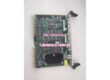
Component Snapshot At-a-Glance
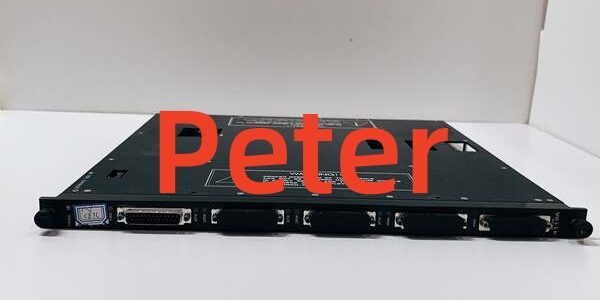
- Model: Triconex NCM4320
- Alt. P/N: None
- Product Series: Tricon CX Compact SIS
- Hardware Type: Network Communication Module (NCM)
- Key Feature: Dual independent 10/100 Ethernet ports with TMR voting and full diagnostics
- Primary Field Use: Handles network data exchange, peer controller communication and time sync for Tricon CX safety systems.
Hard-Numbers: Technical Specifications
- Protocol Support: Modbus TCP/IP, TriStation, TSAA, SNTP
- Port Count: 2 x RJ45 Ethernet ports
- Data Rate: 10/100 Mbps auto-negotiation
- Operating Temperature: 0°C to +60°C
- Isolation Rating: 1500VAC channel-to-backplane isolation
- Power Draw: 180mA @ 24VDC (backplane powered)
- Max Node Count: 254 nodes for peer-to-peer network
- Certification: SIL3 per IEC 61508, TÜV approved
- Latency: Less than 20ms for backplane data transfer
- Humidity Rating: 5% to 95% non-condensing
The Real-World Problem It Solves
Single-port network hardware creates a single point of failure, leading to lost communication between SIS, DCS and HMIs. Unsynced timestamps also make post-fault event tracing nearly impossible during plant upsets.Where you’ll typically find it:
- Refinery ESD racks running Tricon CX safety controllers
- Power plant turbine protection systems linking to main DCS
- Offshore F&G panels with multiple networked safety controllersThis module eliminates network single points of failure and standardizes time stamps across the entire safety system.
Hardware Architecture & Under-the-Hood Logic
This is an active intelligent module with onboard processors and TMR logic, fully isolated from the main controller backplane.
- Each Ethernet port operates independently and runs continuous link health checks.
- Incoming network data passes through three parallel processing lanes for TMR comparison.
- Valid data gets voted and forwarded to the TriBus backplane for the main CPU.
- Outgoing controller data routes through the same triplicated paths before leaving the Ethernet ports.
- Built-in SNTP client pulls time data to align timestamps across all connected nodes.
- Onboard diagnostics log port errors, frame loss and voting mismatches to the system alarm list.
Field Service Pitfalls: What Rookies Get Wrong
Incorrect Cable Type for Port ApplicationTechs use straight-through cable for peer-to-peer controller links or crossover cable for HMI/DCS connections. This results in no link and constant link-down alarms.
- Field Rule: Use crossover cable for peer controller links on NET1; use straight-through cable for DCS/HMI connections on NET2.
Duplicate IP Address ConfigurationMultiple modules share the same static IP on the plant network. This triggers packet collisions and intermittent communication drops.
- Quick Fix: Document all module IPs before commissioning. Assign unique addresses and use separate subnets for the two Ethernet ports.
Mismatched Firmware VersionsNCM firmware does not match the CX main processor firmware. TriBus communication faults appear, and network traffic stalls randomly.
- Field Rule: Flash all NCM and main processor modules to identical firmware revisions. Verify versions after every update or module swap.
Commercial Availability & Pricing Note
Please note: The listed price is for reference only and is not binding. Final pricing and terms are subject to negotiation based on current market conditions and availability.