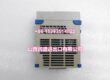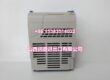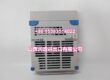
Component Snapshot At-a-Glance
- Model: P0903CW
- Alt. P/N: No direct factory cross-reference alternate part number; P0914SQ is functionally similar variant with different key layout
- Product Series: Foxboro I/A Series DCS operator peripheral family
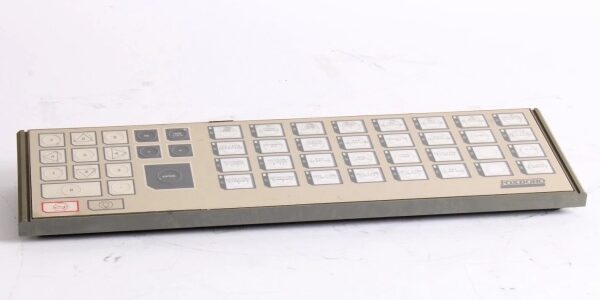
- Hardware Type: Desktop panel mount annunciator + combined numeric keypad unit, cast metal industrial casing
- Key Feature: 32 independent LED/switch alarm pairs paired with 16-key numeric pad plus dedicated Num Lock indicator LED
- Primary Field Use: Mounted on control room operator console to acknowledge process alarms and input setpoint values to I/A workstation controllers.
Hard-Numbers: Technical Specifications
- Protocol Support: Proprietary Foxboro serial communication over RS232 via 9-pin D-Sub connector to I/A workstation CPU
- Port Count: Single 9-pin DB9 male communication connector; no auxiliary I/O terminals
- Baud/Data Rate: Fixed factory-set serial baud for I/A host link (9600bps default field standard)
- Operating Temperature: 0℃ ~ +55℃ continuous rated; sustained cabinet heat above 60℃ causes LED dimming and intermittent key bounce
- Isolation Rating: No internal galvanic isolation; signal ground tied to chassis earth at console mounting point
- Power Draw: Rated 3.0W minimum idle / 6.0W maximum full LED active @27.5VDC ±5% input supply
- LED Count: 32 alarm status LED + 1 dedicated Num Lock status LED integrated into key matrix circuit
- Physical Dimension: Rough 370×140×35mm, unit weight ~1kg OEM factory spec
The Real-World Problem It Solves
Legacy I/A control setups using generic PC keyboards lack dedicated alarm acknowledgement buttons, forcing operators to navigate layered HMI screens every time a process alarm triggers and slowing emergency response. Unlabeled third-party keypads create misoperation risk during upset conditions like furnace trip or pipeline overpressure.Where you’ll typically find it:
- Coal-fired power plant boiler main control console for burner feed and drum level alarm acknowledgment
- Refinery crude distillation unit central control desk managing tower pressure and feed flow fault annunciations
- Chemical plant reactor control room for batch process interlock alarm reset and setpoint entryPurpose-built dedicated annunciator layout cuts operator alarm response time and eliminates accidental wrong-point value entry during plant upset.
Hardware Architecture & Under-the-Hood Logic
Unit uses passive key matrix PCB paired with discrete LED driver IC; no onboard microprocessor, all scan logic handled remotely by connected I/A workstation host CPU over serial line.
- Operator depresses alarm acknowledge or numeric input key closing corresponding matrix circuit trace
- Host workstation polls via 9-pin serial at fixed scan rate to detect closed switch coordinates
- Host sends return serial command to power selected front-panel LED for active alarm indication on matching circuit pair
- Internal onboard current-limiting resistors regulate individual LED brightness to avoid overburn from supply drift
- Num Lock dedicated circuit toggles single status LED via host software flag independent of main 32-point alarm matrix
Field Service Pitfalls: What Rookies Get Wrong
Overvoltage Feed Into 27.5VDC Power InputNew technicians tap unregulated 30VDC rack auxiliary supply directly to keyboard; sustained overvoltage burns individual LED drive resistors one by one creating dead alarm lamp positions over weeks of runtime.
- Quick Fix: Derive regulated 27.5V power exclusively from I/A console dedicated filtered auxiliary supply rail per cabinet wiring schematic.
Improper 9-Pin Serial Cable Pinout & Unused Cable Floating ShieldUsing off-the-shelf generic RS232 cable with mismatched pin definition leads to no host communication; ungrounded floating cable shield picks up VFD noise causing random uncommanded alarm acknowledge triggers mid-run.
- Field Rule: Use Foxboro OEM specified pinout serial cord; shield drain wire grounded only at workstation chassis earth lug.
Mounting Near Console Exhaust Heat VentsMounting directly above workstation power supply hot exhaust; cyclic heat cycling degrades membrane key contacts leading to intermittent no-response keys after 12~18 months service life.
- Field Rule: Maintain minimum 8cm clearance from all console heat exhaust ports during desk mounting installation.
Commercial Availability & Pricing Note
Please note: The listed price is for reference only and is not binding. Final pricing and terms are subject to negotiation based on current market conditions and availability.