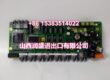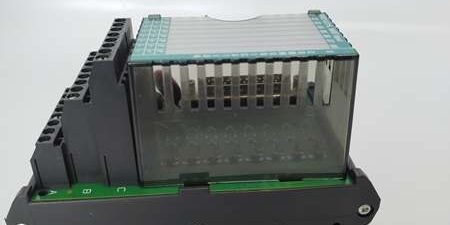
Component Snapshot At-a-Glance
- Model: P0916BX
- Alt. P/N: No direct factory cross part number, no drop-in alternate OEM equivalent
- Product Series: Foxboro I/A Series FBM peripheral communication module family
- Hardware Type: Rack mount plug-in PCB communication card, pairs with dedicated screw terminal TA base
- Key Feature: Hardware isolated RS485 port with selectable master/slave Modbus RTU operation via DCS software config
- Primary Field Use: Bridge native I/A backplane protocol to Modbus RTU for pulling data from drives, standalone PLCs and field smart analyzers
Hard-Numbers: Technical Specifications
- Protocol Support: 2Mbps proprietary I/A FBM backplane bus + Modbus RTU (RS485 physical layer)
- Port Count: Single isolated RS485 channel per card, terminal block + DB9 dual field wiring access
- Baud/Data Rate: Backplane fixed 2Mbps; Modbus selectable 1200/2400/4800/9600/19200/38400bps
- Operating Temperature: 0°C to +60°C continuous rated operating range; conformal coated PCB tolerates short-duration -10°C cabinet cold soak
- Isolation Rating: 1500VDC isolation between RS485 field side and internal DCS backplane circuitry
- Power Draw: Max 8.2W total consumption, all operating power pulled from rack 24VDC backplane feed
- Max Bus Nodes: Single trunk supports up to 32 Modbus slave devices per installed
- Supported Wire Gauge: 16AWG down to 22AWG solid copper for field terminal screw termination
The Real-World Problem It Solves
Plant crews previously deployed standalone external Modbus gateways mounted inside already overstuffed DCS cabinets, adding extra 24VDC power supplies and intermediate wiring points prone to vibration-induced open circuits. External gateways also lacked native DCS fault tagging, forcing manual log checks anytime third-party device communication dropped offline.Where you’ll typically find it:
- Utility boiler DCS rack: Fan and pump variable frequency drive (VFD) runtime parameter collection into I/A control system
- Refinery distillation cabinet: Online process analyzers and local skid PLC Modbus register data import
- Petrochemical tank farm control rack: Remote level gauge and pump control PLC analog status pollingEliminating external gateway hardware cuts spare part inventory and removes multiple potential wiring failure points from the control architecture.
Hardware Architecture & Under-the-Hood Logic
This card includes a dedicated standalone onboard microcontroller separate from I/A backplane transceiver and isolated line driver circuits; optocoupler stacks form the galvanic barrier splitting field and rack side electronics.
- Host FCP sends register mapping and polling schedule data to over the 2Mbps I/A backplane bus
- Onboard MCU stores configured Modbus address tables and cycles through defined slave polling sequence per programmed scan rate
- Logic translates DCS internal register values to standard Modbus RTU read/write frames before feeding into isolated driver
- Isolation barrier blocks field-side surge voltage and VFD switching noise from leaking back onto sensitive DCS rack backplane traces
- Detected bus errors, slave timeouts and parity faults get timestamped then transmitted back to host DCS diagnostic display for operator alerting
Field Service Pitfalls: What Rookies Get Wrong
Most new tech skips installing the required 120Ω termination resistor at the two physical endpoints of the Modbus trunk, causing signal reflection that triggers intermittent read timeouts and random slave dropouts during high cabinet temperature swings.Field Rule: Populate 120Ω resistor only at absolute first and last device on trunk; leave all intermediate nodes unterminated.
Dual-Ended Modbus Cable Shield GroundingTechs tie shield drain wire to earth at both cabinet terminal base and field device enclosures, creating ground potential loops that inject AC hum and corrupt Modbus checksum values.Field Rule: Terminate cable shield exclusively at the cabinet earth bar; leave all field instrument shield ends floating with no earth connection.
Multiple Modbus masters on the same wiring bus scramble frame timing; rookie setup leaves HMI scanners active alongside master polling leading to consistent communication collision errors.Quick Fix: Confirm only one master device exists per run; disable all conflicting master polling on secondary HMIs or third-party panels.
Commercial Availability & Pricing Note
Please note: The listed price is for reference only and is not binding. Final pricing and terms are subject to negotiation based on current market conditions and availability.