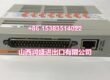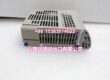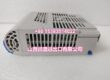
Component Snapshot At-a-Glance
- Model: PR6423/004-030
- Alt. P/N: 9199-00004 (Emerson), EPRO /004-030
- Product Series: (EPRO/Emerson) Eddy Current Sensors
- Hardware Type: Non‑contact eddy current displacement probe
- Key Feature: 8mm linear range, integral 5m high‑temp cable, M10×1 mounting
- Primary Field Use: Measures radial vibration, shaft displacement, and eccentricity on steam/gas turbines and compressors
Hard-Numbers: Technical Specifications
- Measurement Principle: Eddy current (non‑contact, metallic target only)
- Probe Diameter/Thread: M10×1, 10mm diameter
- Linear Gap Range: 0.5–8.0mm (typical target gap 1.0–1.5mm)
- Cable Length: 5m integral, high‑temp silicone‑rubber insulated
- Frequency Response: 0–10kHz (‑3dB at 10kHz)
- Sensor Supply: −26.7VDC, 20mA (from CON021/CON041 driver)
- Output Signal: Linear voltage (gap‑dependent, to driver/monitor)
- Operating Temp: −20°C to +120°C (probe); −20°C to +70°C (cable)
- Enclosure Rating: IP67 (dust/water resistant)
- Certifications: API 670, DIN 45670, ISO 10817‑1; ATEX/IECEx for hazardous areas
The Real-World Problem It Solves
Sleeve‑bearing machines hide shaft vibration behind oil films; casing sensors miss critical rotor motion. Contact probes wear and alter dynamics. Older probes had narrow ranges or fragile cables, causing drift and unplanned trips.
Where you’ll typically find it:
- Combined‑cycle plant steam turbine bearings (radial vibration)
- Refinery hydrocracker centrifugal compressor casings (shaft displacement)
- LNG plant gas turbine generator sets (eccentricity monitoring)
It delivers stable, high‑resolution non‑contact measurements through oil films, protecting critical rotating equipment from unbalance, rubs, and bearing failure.
Hardware Architecture & Under-the-Hood Logic
This is a passive coil‑based probe with no onboard electronics; it relies on a driver (CON021/CON041) for excitation and signal processing.
- Driver supplies −26.7VDC excitation to the probe coil.
- Coil generates high‑frequency AC magnetic field; eddy currents form on conductive shaft surface.
- Changing gap alters coil impedance; reflected signal modulates driver input.
- Driver converts impedance change to linear voltage proportional to gap.
- Voltage sent to monitor (e.g., A6210) for vibration/displacement calculation.
- Integrated cable shields reduce EMI; IP67 housing resists oil, water, and vibration.
Field Service Pitfalls: What Rookies Get Wrong
Wrong Target Material or Surface Finish
Techs install on non‑ferrous metals or rough‑machined shafts. Eddy current strength drops; readings drift or become noisy.
- Field Rule: Use only carbon/steel targets (4140, 1045); surface finish Ra ≤3.2μm; avoid plating or coatings.
Incorrect Gap Setting or Mounting
Set gap <0.5mm (risk of contact) or >2.0mm (non‑linear); over‑torque M10 threads and crack housing.
- Quick Fix: Target gap 1.0–1.5mm; torque to 1.2–1.5Nm; use feeler gauges for final adjustment.
Mismatched Driver or Cable Length
Pair with wrong CON021/CON041 driver or extend cable beyond 5m without calibration. Signal attenuation causes low amplitude and false alarms.
- Field Rule: Match probe to Emerson/EPRO driver; do not splice cable; use only factory‑specified lengths (5m standard).
Commercial Availability & Pricing Note
Please note: The listed price is for reference only and is not binding. Final pricing and terms are subject to negotiation based on current market conditions and availability.