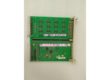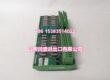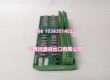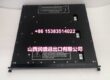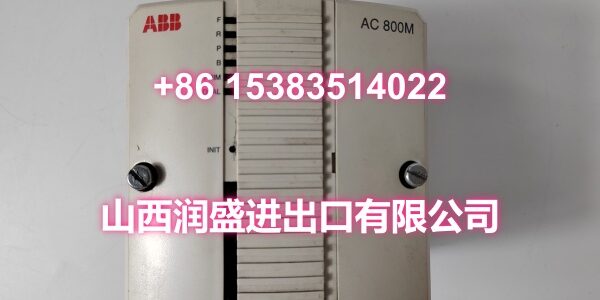
Product Core Brief
- Model: PM864A
- Brand: ABB
- Series: Advant OCS / PM860 family (VERIFY housing variant from nameplate)
- Core Function: Executes control logic and communicates with I/O units and the operator station in an Advant OCS process control system
- Product Type: DCS controller / CPU module
- Key Specs: VERIFY (processor/memory) | VERIFY (communication interface) | VERIFY (redundancy support)
- Condition: New Original / New Surplus
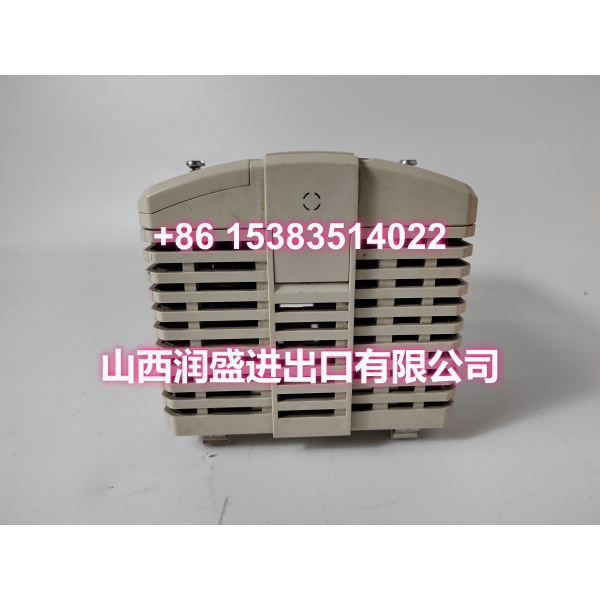
Key Technical Specifications
| Category | Parameter | Value |
|---|---|---|
| Identification | Model | |
| Identification | Brand | ABB |
| Identification | Platform | Advant OCS / PM860 family |
| Classification | Product Type | Controller / CPU module |
| Function | Execution | Control logic, sequence and loop control |
| Interface | Communication | VERIFY (local bus / Ethernet to operator station) |
| Architecture | Redundancy | VERIFY — confirm hot-standby support |
| Mechanical | Mounting | VERIFY (controller housing / rack slot) |
| Electrical | Supply Voltage | VERIFY |
| Environmental | Operating Temperature | VERIFY |
| Compatibility | Interchangeable Variants | VERIFY — PM860/PM861/PM863/PM864 are not interchangeable |
| Supply | Availability Status | Legacy / obsolete stock |
Product Introduction (No Fluff)
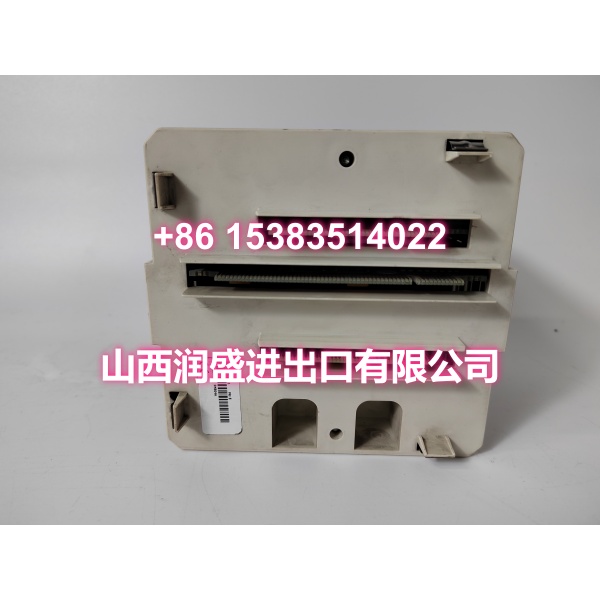
PM864A is a controller unit from ABB’s Advant OCS platform, sitting between field I/O and the operator station in process control systems — refineries, pulp and paper, water treatment, and power generation.
Its real value is continuity. These systems run for decades, and a failed controller without a spare means an unplanned shutdown. Bottom line: this is a maintenance-horizon purchase, not a convenience buy.
QA & Testing SOP
How we actually validate a controller before it ships.
- Anti-counterfeit intake. Nameplate photographed under raking light; revision letter and date code checked for consistent laser depth. Counterfeits usually fail on the suffix.
- Connector and pin inspection. Edge connectors examined for bent pins, oxidation, and capacitor bulge on the board.
- Cold-boot test. Unit powered on a dedicated test rack, boot sequence logged, self-test result captured against the manual’s expected LED pattern.
- Firmware read-back. Firmware and configuration version dumped and recorded. This is the step most sellers skip — and the one that saves your commissioning window.
- ESD-safe packing. Anti-static bag, foam cradle, humidity indicator, sealed and photographed.
Installation Pitfalls & Guide
❗ Configuration, not hardware, is the usual failure. A replacement controller with the wrong firmware version will boot but reject the downloaded application. Load the correct version before you energize.
❗ Redundancy state matters. If your system runs hot-standby, confirm which unit is primary. Swapping the wrong one mid-operation forces a switchover you did not plan for.
❗ Address and node identity. Controller node addressing is often set by hardware jumpers or the housing slot. Copy the old unit’s settings exactly — do not assume defaults.
❗ Never hot-swap unless the manual permits it. Advant OCS variants differ on this. Check first.
Replacement sequence:
- Pre-install — photograph jumper/DIP settings, back up the configuration and firmware version.
- Removal — de-energize the bay or take a controlled switchover; label every cable.
- Install — seat fully, restore jumpers, torque terminals to spec.
- Power-on test — cold boot, confirm self-test pass, download configuration, then validate I/O point-to-point before returning the loop to automatic.
Technical FAQ
Can I negotiate price on this part? On legacy stock, price follows availability rather than volume. If we hold two units and you need four, the second batch may cost more — or may not exist. Tell us your real requirement first.
What warranty applies? 12 months on New Original. Six months on New Surplus, because the unit was manufactured for a project that never deployed it. We state that difference rather than bury it.
Is PM864A interchangeable with other PM860-series controllers? No. Same family, different capability and firmware baseline. Match the exact model and revision.
Why not upgrade to a current ABB platform instead? Because a platform change means re-engineering I/O wiring, communication stacks, and operator graphics. That’s a project with a schedule, not a purchase order. If you want that path, we’ll scope it honestly.
Is this part obsolete? Treat it as legacy. Order against your maintenance horizon, not against today’s failure.