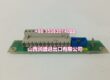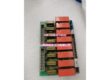
Product Core Brief
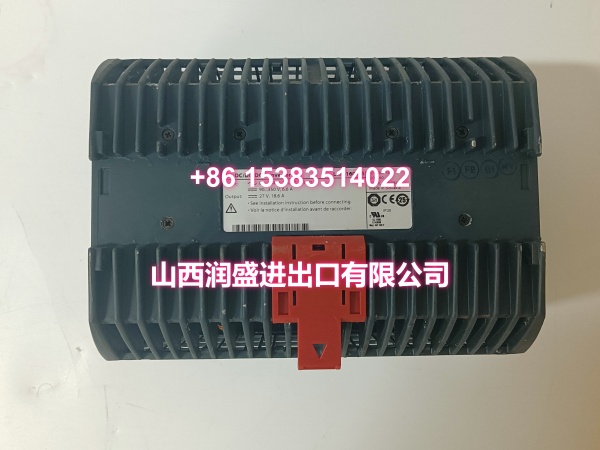
- Model: 3BHL000986P7000 (LXN1604-6)
- Brand: ABB
- Series: ABB Industrial Automation Power Platform
- Integration Role: DIN rail-mountable AC/DC power conversion module for industrial automation and control systems, providing stable power supply to PLCs, I/O modules, and field instrumentation.
- Product Type: Guide Rail Power Module / AC/DC Converter
- Key Specs: 100-240V AC Wide Input | 24V DC / 120V AC Output Options | Energy Saving Mode | Modbus Communication | Overvoltage & Overcurrent Protection
- Note: Condition: New Original (New Surplus). Origin: Sweden.
Key Technical Specifications
| Parameter | Value |
|---|---|
| Manufacturer Part Number | 3BHL000986P7000 |
| Device Model | |
| Functional Type | Guide Rail Power Module / AC/DC Converter |
| Input Voltage Range | 100-240V AC (wide voltage) |
| Output Voltage | 24V DC / 120V AC (configurable) |
| Output Frequency | 50-60 Hz |
| Communication Interface | Modbus |
| Mounting Type | DIN Rail Mount |
| Protection Features | Overvoltage, Overcurrent, Energy Saving Mode |
| Origin | Sweden |
| Condition | New Original (New Surplus) |
Product Introduction
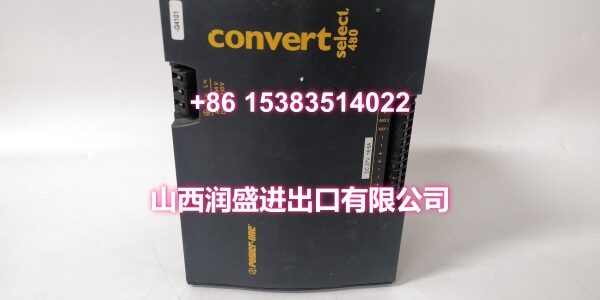
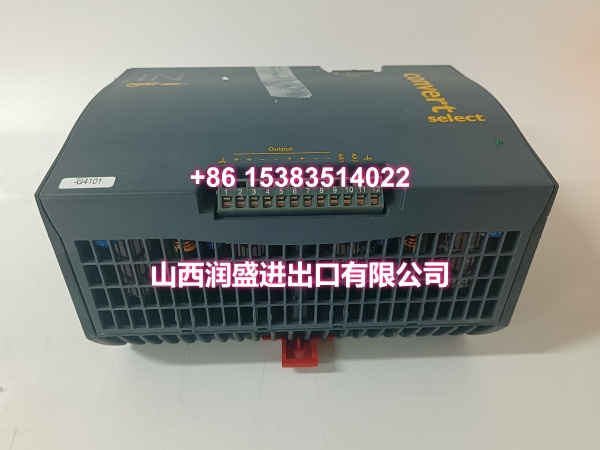
The ABB 3BHL000986P7000 (LXN1604-6) is a DIN rail-mountable AC/DC power conversion module designed for industrial automation and control systems. As part of ABB’s industrial automation power platform, this module delivers stable, reliable power to critical field devices including PLCs, I/O modules, sensors, and instrumentation across demanding plant environments.
For system integrators and MRO procurement teams, the LXN1604-6 addresses a common pain point in automation cabinet design: providing clean, regulated power from a wide-range AC input while minimizing cabinet footprint. The module’s DIN rail mounting enables quick installation and replacement without rewiring, significantly reducing maintenance downtime during field swaps. Its compact form factor saves valuable panel space in space-constrained control cabinets.
The module supports a wide input voltage range of 100-240V AC, making it adaptable to varying plant power conditions across different regions and facilities without requiring separate transformer stages. The configurable output options (24V DC and 120V AC) allow a single module type to serve multiple device categories within the same cabinet, simplifying spare parts inventory management.
An integrated energy saving mode reduces standby power consumption during low-load conditions, contributing to lower operational costs and meeting green building and environmental compliance requirements. The built-in Modbus communication interface enables remote monitoring of power status and fault diagnostics from the host SCADA or DCS system, eliminating the need for manual panel inspections.
Manufactured in Sweden to ABB’s quality standards, the 3BHL000986P7000 carries traceable serial tracking for change control and compliance documentation. This makes it suitable for regulated industries such as power generation, petrochemical processing, water treatment, and building automation, where equipment provenance and lifecycle management are critical for audit purposes.
Integration & Application Notes
As a power conversion module for automation systems, proper integration requires attention to electrical specifications, wiring practices, and communication setup.
- Input Voltage Verification: Confirm that your facility’s AC supply voltage falls within the 100-240V AC range before installation. While the wide input range accommodates most global power standards, verify local voltage stability and transient conditions to ensure reliable operation.
- Output Configuration: The module supports both 24V DC and 120V AC outputs. Verify the output voltage setting matches the requirements of your connected devices (PLCs, sensors, relays, etc.) before powering up. Incorrect output voltage can damage downstream equipment.
- DIN Rail Mounting: The module is designed for standard DIN rail installation. Ensure the rail is properly grounded and that adequate clearance is maintained around the module for heat dissipation. Follow ABB’s recommended torque specifications for rail mounting clips.
- Modbus Communication Setup: When integrating with a host system via Modbus, configure the slave address, baud rate, and register mapping according to your plant network standards. The communication interface enables remote monitoring of input/output voltage, current draw, temperature, and fault status.
- Protection Coordination: The module includes built-in overvoltage and overcurrent protection. Verify that upstream circuit breakers and downstream fuses are properly coordinated to ensure selective tripping and minimize unnecessary system-wide outages.
- Energy Saving Mode: Enable the energy saving mode in applications with variable load profiles to reduce standby power consumption. Note that this mode may introduce a brief wake-up delay when load demand increases—verify this behavior is acceptable for your application’s response time requirements.
Integrator’s FAQ
1. What is the LXN1604-6 used for in industrial automation? The LXN1604-6 serves as a DIN rail-mountable AC/DC power conversion module that provides stable, regulated power to automation devices such as PLCs, I/O modules, sensors, and field instrumentation. It is commonly deployed in industrial control cabinets, building automation systems, and process control environments where reliable power delivery from a wide-range AC input is required.
2. What input and output voltages does this module support? The module accepts a wide input voltage range of 100-240V AC, accommodating global power standards without additional transformers. The output is configurable for 24V DC or 120V AC operation at 50-60 Hz, allowing a single module type to serve multiple device categories within the same cabinet.
3. Can this module communicate with a SCADA or DCS system? Yes. The LXN1604-6 features a Modbus communication interface that enables integration with host SCADA, DCS, or PLC systems. Through Modbus, you can remotely monitor input/output voltage, current draw, module temperature, and fault status, reducing the need for manual panel inspections and enabling predictive maintenance.
4. How does the energy saving mode work? The energy saving mode reduces standby power consumption during periods of low load demand. This feature helps lower operational costs and supports environmental compliance requirements. Note that enabling this mode may introduce a brief wake-up delay when transitioning from low-load to full-load conditions—verify this behavior aligns with your application’s dynamic response requirements.
5. What protection features does this module include? The module incorporates built-in overvoltage and overcurrent protection to safeguard both the module itself and connected downstream devices. These protection features help prevent damage from power surges, short circuits, and abnormal operating conditions. Proper coordination with upstream and downstream protection devices is recommended for optimal system reliability.
6. What is the warranty difference between New Surplus and Refurbished? We supply this unit as New Original (New Surplus), meaning it is unused, original factory stock from Sweden, typically still in its anti-static packaging. This comes with a standard 12-month warranty. “Refurbished” power modules carry significant risks, including aged electrolytic capacitors, degraded thermal management components, potential firmware corruption from previous use, and undocumented operational history. Refurbished units often come with short, limited warranties (30-90 days) that do not cover latent defects.
7. Why is the pricing lower than direct OEM but higher than used parts? Our pricing reflects the value of guaranteed, unused condition. Unlike used parts from general marketplaces—which may have unknown operational hours, hidden damage from previous fault events, or degraded internal components—our New Surplus inventory is verified for authenticity and Swedish origin. You avoid the premium of custom OEM manufacturing for legacy parts while securing a component that performs like new, minimizing the risk of unplanned downtime in critical automation and control applications.