Product Quick-Glance Brief
- Model: MOOG D631-176
- OEM: MOOG
- Category: 2-Stage Mechanical Feedback Servo Valve
- Core Function: Provides high-precision flow control for position, velocity, and force servo systems.
- Key Specs: ISO 4401 Size 05, 350 bar Max Pressure, <2 ms Response Time
Technical Overview & Field Application
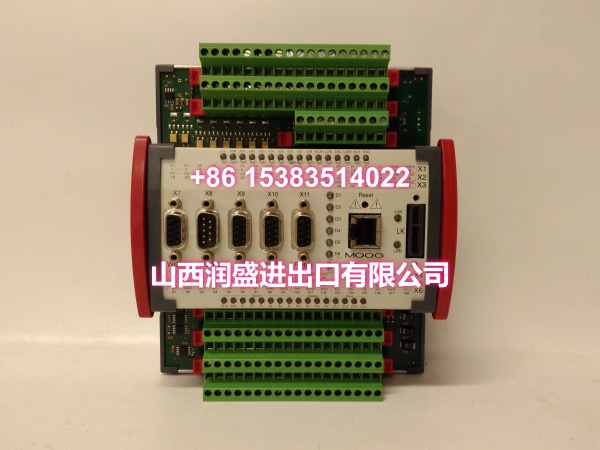
Hydraulic drift kills precision. When your actuator won’t hold position under load, the problem is often the valve’s feedback mechanism. The MOOG solves this with a proven mechanical feedback design. It is not a digital valve. It is a 2-stage electro-hydraulic servo valve that uses a cantilever spring rod to physically center the spool. This mechanical link ensures the valve returns to null reliably, even during power loss or signal interruption.
Engineers specify this unit for harsh environments where electronics fail. The dry torque motor and low-friction double nozzle pilot stage deliver high resolution and low hysteresis without complex internal amplifiers. It handles pressures up to 350 bar while maintaining a frequency response of 75 Hz. This makes it ideal for rolling mills, test stands, and injection molding machines where dynamic stability is non-negotiable.
Global supply chains demand standardization. This valve conforms to ISO 4401-05 mounting patterns, ensuring direct interchangeability with legacy systems worldwide. Whether you are upgrading a line in Germany or maintaining a press in Brazil, the hydraulic interface remains consistent. The unit also features a field-replaceable first-stage filter, reducing maintenance downtime without requiring a full valve teardown.
Essential Specifications
| Parameter | Specification |
|---|---|
| Valve Type | 2-Stage Mechanical Feedback Servo Valve |
| Mounting Pattern | ISO 4401-05-05-0-94 |
| Max Operating Pressure | 350 bar (5,000 psi) |
| Rated Flow | 5 to 75 L/min @ 35 bar drop |
| Frequency Response | 75 Hz |
| Step Response | <18 ms (100% step) |
| Rated Signal Current | 30 to 150 mA |
| Pilot Stage | Dry Torque Motor, Double Nozzle Flapper |
| Weight | 2.2 kg (4.9 lbs) |
| Temperature Range | -29°C to +135°C |
Quality Assurance Protocol
We verify performance, not just part numbers. Every MOOG undergoes rigorous functional testing to ensure it meets OEM dynamic specifications. We don’t just check for leaks. We check for control.
- Null Shift Test: We measure spool centering accuracy across the full temperature range to ensure thermal stability.
- Hysteresis Verification: Dynamic loop testing confirms low friction in the nozzle-flapper stage, guaranteeing smooth control signals.
- Pressure Integrity: Each valve is cycled at 350 bar to validate seal integrity and spool land geometry.
- Coil Resistance Check: Torque motor windings are tested for correct impedance and insulation resistance to prevent field failures.
Pro Tip: Always verify the coil resistance matches the datasheet before installation. A reading outside tolerance indicates internal winding damage or moisture ingress, even if the valve looks new.
Engineer’s Installation / Replacement Notes
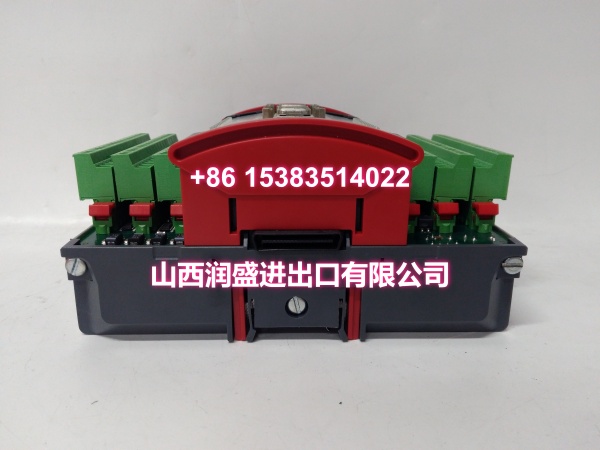
Field installation is where most servo valves fail. Contamination and misalignment are the silent killers. Follow these peer-to-peer guidelines to protect your investment.
- Cleanliness is Critical: This valve has tight tolerances. Flush the manifold ports before installation. Target ISO 4406 15/12 cleanliness for long life. A single 50-micron particle can jam the pilot stage.
- Check the Filter: The first-stage disc filter is field-replaceable. Inspect it during installation. If it’s clogged, the valve will exhibit slow response or instability. Replace it, don’t clean it.
- Torque Specifications: Use a calibrated torque wrench for manifold bolts. Uneven clamping force distorts the valve body, causing internal leakage and spool binding. Follow ISO 4401 tightening sequences.
- Electrical Grounding: Ensure the valve body is properly grounded. Electrical noise from nearby VFDs can couple into the torque motor leads, causing erratic spool movement or false null signals.
Critical Warning: Never adjust the mechanical feedback spring rod in the field. It is factory-calibrated to micron-level tolerances. Tampering voids performance guarantees and will likely destroy the valve’s linearity.