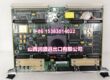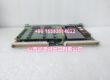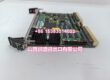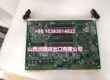
Product Core Brief
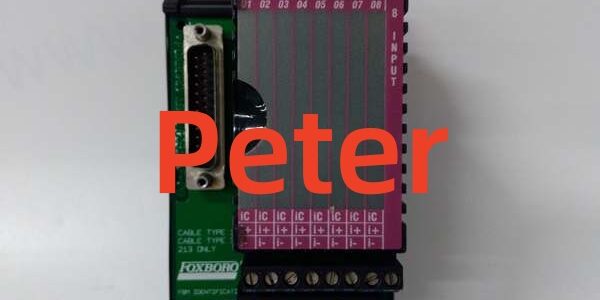
- Model: P0916AE
- Brand: FOXBORO
- Series: I/A Series DCS
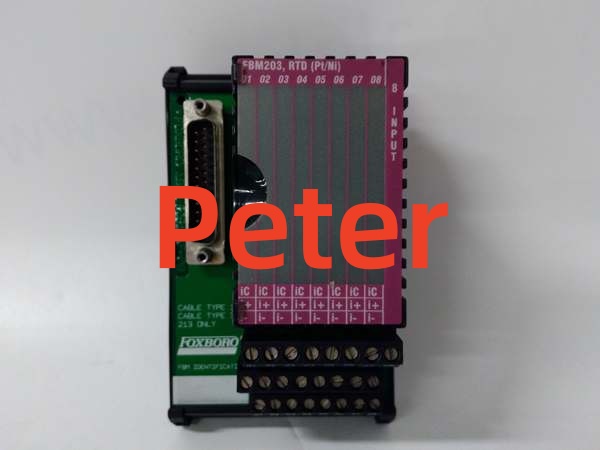
- Core Function: Provides a secure, vibration-resistant field wiring interface for the FBM203 RTD input module.
- Product Type: Compression Terminal Base / Wiring Interface
- Key Specs: Compression Terminals, FBM203 Compatible, Passive Device
- Condition: New Original (New Surplus)
Key Technical Specifications
| Parameter | Value |
|---|---|
| Module Type | Compression Terminal Base |
| System Compatibility | FOXBORO I/A Series DCS |
| Companion Module | FBM203 (RTD Input) |
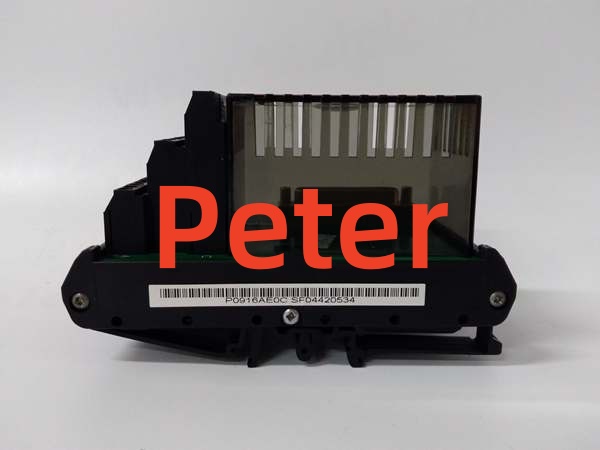
| Wiring Style | Compression Screw Terminals |
| Conductor Size | 24–14 AWG (0.5–2.5 mm²) |
| Power Requirements | None (Passive) |
| Mounting | DIN-Rail / Baseplate |
| Operating Temp | -20 to +60 °C |
FOXBORO P0916AG
Product Introduction
Reliable field wiring is the foundation of accurate temperature measurement in critical process loops. The is a compression terminal base designed specifically as the field wiring interface for the FBM203 RTD input module. It acts as a robust, passive bridge between field sensors and the control system, eliminating the need for separate power or configuration.
Field technicians consistently prefer this compression-style design over traditional screw terminals because it maintains a gas-tight connection in high-vibration environments, drastically reducing maintenance callbacks for loose wires. The direct FBM channel mapping and clear labeling also streamline loop checks and module swaps, minimizing downtime during outages.
Key Selling Points & Differentiators
- Exact FBM203 Compatibility: Engineered as the dedicated wiring interface for the FOXBORO RTD module; not recommended for other FBM types due to specific pinout and mechanical keying.
- Vibration-Resistant Compression Terminals: Utilizes a screw-compression mechanism that stays tight under thermal cycling and mechanical shock, preventing intermittent RTD readings.
- Passive & Maintenance-Free: Contains no active electronics or firmware; requires only periodic visual inspection and torque verification, ensuring long-term reliability.
- Rigorous Live Bench Testing: Every unit undergoes point-to-point continuity checks, insulation resistance testing, and mechanical torque verification before shipping.
- New Surplus Availability: Factory-sealed condition with verified source traceability, bypassing typical OEM lead times for discontinued I/A Series hardware.
- Anti-Counterfeit Verification: Serial numbers are checked against manufacturer databases during incoming inspection to guarantee authenticity.
FOXBORO P0916AG
FAQ
No. The is specifically designed for the RTD input module. The FBM201 (0-20mA AI) uses the P0916AA, and the FBM202 (Thermocouple) uses a different terminal assembly. Always match the terminal base to the exact FBM part number to avoid wiring errors and signal issues.
Yes, upgrading to the compression terminal base is highly recommended for high-vibration areas like compressor stations or pump skids. However, verify that your field cabling uses the correct 24–14 AWG conductors and that the overall dimensions fit your existing cabinet layout.
Do I need to configure anything in the control strategy for this terminal base?
No. The is a purely passive wiring interface with no firmware or configuration parameters. All RTD type (Pt100, Ni100, etc.), scaling, and fault detection are configured in the I/A Series control builder for the companion module.
What happens if I don’t use ferrules on the field wires?
While the compression terminals can accept bare wire, using ferrules is strongly recommended to ensure a gas-tight connection and prevent strand fraying. Always follow site wiring standards and use the specified 0.4–0.6 Nm torque to avoid damaging the terminal or creating a high-resistance joint.
Is there a warranty on this new surplus unit?
Yes. All new surplus modules come with a standard 12-month functional warranty. If the unit fails during normal operation within that period, we provide a direct replacement. We also include our internal test report with every shipment so you can verify the continuity and mechanical test results before installation.