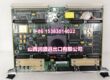
Component Snapshot At-a-Glance
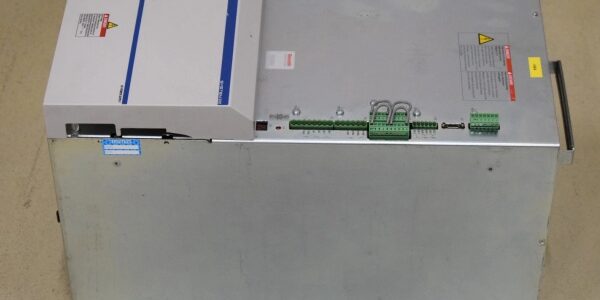
- Model: HVR03.2-W045N
- Alt. P/N: R911190005
- Product Series: Rexroth Indramat HVR03.2 Shared DC Bus Power Platform (DIAX04 / IndraDrive)
- Hardware Type: 3-phase mains rectifier with onboard brake bleeder for multi-axis servo systems
- Key Feature: Built-in 80kW peak bleeder stack to absorb servo regenerative energy without external resistors
- Primary Field Use: Convert 380–480VAC mains to regulated 750VDC shared bus to power multiple HDS/HDD servo inverters on heavy machinery.
Hard-Numbers: Technical Specifications
- Protocol Support: IndraDrive internal service bus, RS232 IndraWorks diagnostic serial
- Port Count: 1 3-phase AC terminal block, 1 DC bus output terminal set, 1 D-Sub control signal connector, front RS232 service port
- Baud/Data Rate: RS232 fixed 9600 baud; internal servo bus proprietary real-time communication
- Operating Temperature: 0°C to +40°C full 45kW rated power; max ambient +50°C with power derating
- Isolation Rating: 1500VAC galvanic separation between high-voltage power stage and low-voltage control logic
- Power Draw: Standby loss 175W; full load loss 626W; internal control supply 500W
- Mains Input: 3×380–480VAC ±10%, 50/60Hz with integrated EMC filter
- DC Bus Output: Fixed regulated 750VDC; continuous delivery 30kW, 0.3s peak 135kW
- Bleeder Capacity: Peak bleeder power 80kW, max regenerative energy absorption 100kW·s
- Physical Weight: 21.32kg; IP10 enclosure (cabinet-only mounting)
The Real-World Problem It Solves
Separate small rectifiers on every servo axis duplicate mains wiring, eat cabinet rack space, and cannot transfer braking energy between coordinated axes. Machines running heavy deceleration cycles without integrated bleeders hit DC bus overvoltage faults mid-production, triggering full axis shutdowns and scrapped parts.Where you’ll typically find it:
- Heavy-duty CNC vertical machining centers paired with MHD high-torque servo motors
- Metal stamping, punch press, and bending machine multi-servo motion cabinets
- Automotive palletizing and large plastic extrusion transfer automation linesSingle unit feeds all connected servo inverters, shares regenerative power across axes, and eliminates external brake resistor wiring and thermal failure points.
Hardware Architecture & Under-the-Hood Logic
This rectifier operates independent of individual servo loop processing, maintains locked 750VDC bus voltage, and dissipates excess braking heat via internal power resistors and monitored cooling fans. It does not execute motion control; it only conditions and distributes shared bus power.
- 3-phase mains power passes through integrated EMI filter before feeding the main diode/IGBT rectifier stage to charge high-voltage DC capacitor banks.
- Onboard voltage regulation loop holds steady 750VDC output regardless of mains sag or regenerative energy feedback from decelerating servos.
- Bleeder power stack activates automatically when DC bus voltage rises above factory threshold during fast axis deceleration.
- Built-in centrifugal blower pulls cabinet air across power semiconductors and bleeder resistors; hall-effect sensor tracks fan RPM for locked rotor fault detection.
- Isolated 500W auxiliary power rail supplies all control circuits, front status LEDs, and RS232 diagnostic port power.
- Heavy-duty DC bus terminal lugs distribute regulated 750VDC to all daisy-chained HDS/HDD servo inverters in the rack.
- Front panel LED bank displays mains ready, DC bus active, blower fault, overvoltage, and overheat alarms; fault history logs accessible via RS232 IndraWorks connection.
Field Service Pitfalls: What Rookies Get Wrong
Insufficient Vertical Airflow Clearance Causes Chronic Overheat Trips
New techs mount this heavy rectifier flush against adjacent servo drives with zero empty rack space top and bottom. Blower intake gets choked by trapped cabinet heat; bleeder stack overtemp faults trigger during high-cycle stamping runs.Field Rule: Maintain minimum 150mm empty vertical clearance above and below unit; blow intake filter with dry nitrogen every 90 days in metal dust environments.
Skipping Mandatory 5-Minute Capacitor Discharge Before Opening Covers
Junior staff cut mains lockout power and immediately disconnect DC bus terminals or remove the unit cover. Undischarged 750V bus capacitors deliver lethal shock hazards and can short PCB traces on accidental contact.Quick Fix: Implement full LOTO on all three AC input phases; set a 5-minute timer to let capacitor banks fully drain before any wiring disassembly or internal inspection.
Mismatched Firmware Versions Between Rectifier and Connected Servo Drives
Techs flash new firmware to HDS02.2 servo inverters but leave the HVR rectifier at factory default revision. DC bus coordination handshake fails; regenerative energy handling malfunctions and random overvoltage faults appear mid-cycle.Field Rule: Standardize matching firmware revisions across all HVR rectifiers and every servo axis on the shared bus; run full DC bus diagnostic scan in IndraWorks post-upgrade before returning machine to production.
Commercial Availability & Pricing Note
Please note: The listed price is for reference only and is not binding. Final pricing and terms are subject to negotiation based on current market conditions and availability.