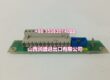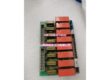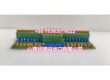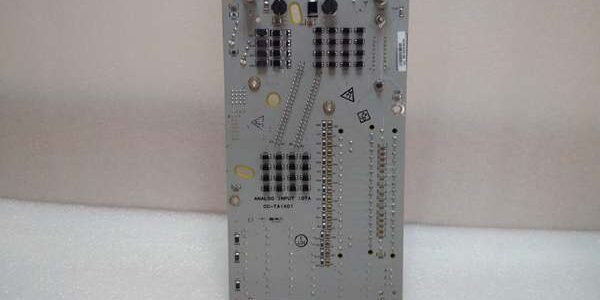
Component Snapshot At-a-Glance
- Model: CC-TAID01
- Alt. P/N: CC-PAIX02 (standard non-FTE Series C AI card, backplane incompatible); legacy MC-PAIH03 (TDC3000 HPM platform, cannot cross-substitute)
- Product Series: Honeywell Experion PKS Series C FTE Fault Tolerant Ethernet I/O, pairs with C300/C200 controllers
- Hardware Type: Rack-mount 16-channel analog input module, hot-swap capable, requires dedicated FTE IOTA terminal base
- Key Feature: Per-channel galvanic isolation + native HART 5/7 demodulation, built for FTE redundant I/O backplane architecture
- Primary Field Use: Collect 4–20mA loop-powered smart transmitter signals for continuous process monitoring, pull HART device diagnostics without external multiplexers.
Hard-Numbers: Technical Specifications
- Protocol Support: FTE redundant I/O backplane bus, HART 5 / HART 7, chassis diagnostic telemetry
- Port Count: 16 fully isolated analog input channels; gold finger FTE backplane edge connector; mates to FTE wiring IOTA base
- Baud/Data Rate: Fixed 100ms full module scan cycle; HART digital modulation superimposed on 4–20mA analog loops
- Operating Temperature: 0°C to +60°C cabinet operational; -40°C to +85°C storage
- Isolation Rating: 500Vrms channel-to-backplane, independent galvanic separation per channel to block ground loops
- Power Draw: 24VDC ±10% rack supply, typical module power draw 4.8W
- ADC Resolution: 16-bit delta-sigma analog-to-digital conversion
- Input Signal Ranges: Software selectable 4–20mA, 0–20mA, 1–5V voltage signals
- Accuracy Rating: ±0.1%FS at 25°C, ±0.15%FS full operating temperature range
- Max HART Devices: 16 individual HART transmitters supported per module
- Physical Weight: 0.34kg single module assembly
The Real-World Problem It Solves
Standard non-FTE AI cards like CC-PAIX02 cannot plug into FTE redundant I/O chassis, forcing full rack rework for sites running fault-tolerant Ethernet I/O architecture. Shared channel signal conditioning on older 8-channel cards creates cross-talk from VFD and motor EMI, spiking noisy PV values and false process interlocks.External standalone HART multiplexers add extra rack hardware, introduce loose wiring failure points, and require separate spare inventory for yearly maintenance cycles.Where you’ll typically find it:
- Refinery FTE redundant I/O racks monitoring reactor pressure, separator level HART transmitters
- Fossil power plant boiler feedwater and furnace pressure SIL monitoring panels with FTE C300 controllers
- Chemical plant DCS cabinets with dense clusters of smart temperature and flow transmittersThis FTE-native isolated AI card eliminates external HART multiplex hardware, fits fault-tolerant I/O backplanes, and suppresses industrial EMI interference to stabilize analog measurement values.
Hardware Architecture & Under-the-Hood Logic
This card uses dedicated isolated signal conditioning circuits for every input channel, paired with an FTE-specific communication ASIC to handle redundant backplane data transfer without burdening the C300 main controller.
- Field 4–20mA transmitter signals enter the matched FTE IOTA base, pass reverse polarity fuses and current-limiting resistors before isolation transformers.
- Precision 250Ω shunt resistors convert loop current to scaled voltage for the 16-bit delta-sigma ADC sampling circuit.
- Independent HART demodulator chips extract digital device diagnostic data without distorting the primary analog process variable reading.
- Continuous threshold comparison logic flags open wire, short circuit, reverse polarity, and HART communication loss for each channel.
- Dual redundant FTE backplane transceivers transmit validated PV values, secondary HART variables, and fault codes to the C300 controller over redundant I/O links.
- Front panel multi-color LED array shows module run status, individual channel faults, HART bus activity, and FTE backplane link health for quick cabinet troubleshooting.
Field Service Pitfalls: What Rookies Get Wrong
Installing CC-PAIX02 Non-FTE AI Card Into FTE IOTA Chassis
New techs swap standard Series C CC-PAIX02 spares into FTE rack slots to cut inventory costs. Mismatched backplane pinout blocks all FTE communication, the module fails to initialize and all 16 analog points drop offline.Field Rule: Only deploy CC-TAID01 modules on FTE I/O chassis; segregate FTE and standard Series C spare cards in clearly labeled storage bins to avoid mix-ups.
Unshielded Instrument Cable For HART Field Wiring Runs
Apprentices pull unshielded twisted pair for transmitter loops to reduce material spend. VFD cabinet EMI corrupts HART digital telegrams, triggering constant “HART comm loss” alarms while analog PV readings remain stable.Quick Fix: Use foil-shielded instrument cable for all 4–20mA HART loops; terminate shield drain wire only at the FTE IOTA cabinet side, tape and isolate field end shield from earth ground.
Overloading Single CC-TAID01 Card With More Than 16 HART Instruments
Crews daisy-chain 18+ HART transmitters to one module, exceeding the device limit. HART polling latency spikes, diagnostic data stops refreshing, and sporadic channel fault codes flood the DCS event log.Field Rule: Cap HART device count at 14 per CC-TAID01 card to leave headroom for routine maintenance polling; split dense transmitter clusters across separate AI modules.
Commercial Availability & Pricing Note
Please note: The listed price is for reference only and is not binding. Final pricing and terms are subject to negotiation based on current market conditions and availability.