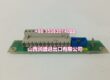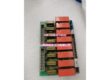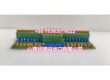
Component Snapshot At-a-Glance
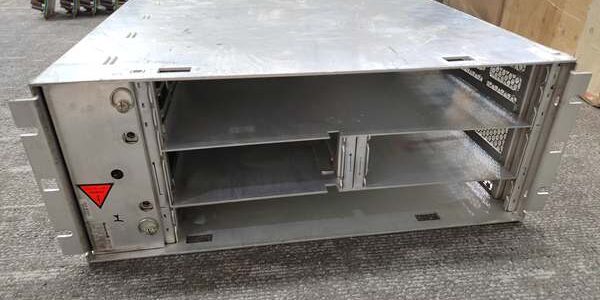
- Model: 51402455-100 (DNCF Dual Node Card File, MP-DNCF02-201)
- Alt. P/N: 51401477-100 single-node backplane, cannot cross-substitute dual-node racks
- Product Series: Honeywell TDC3000 / TPS LCN Local Control Network dual-node chassis backplane
- Hardware Type: Integrated passive backplane motherboard for dual-node DNCF chassis
- Key Feature: Dual independent slot bus segments, integrated power distribution traces, LCN/UCN handshake signal routing for two independent node processors
- Primary Field Use: Carrier backplane for dual-node chassis, mounts K4LCN, EPNI, SBHM, CLCN-A/B communication & history boards, distributes chassis DC power and internal bus signals between all slot cards.
Hard-Numbers: Technical Specifications
- Protocol Support: Honeywell proprietary internal chassis parallel bus, LCN/UCN handshake signal routing, chassis power fault telemetry trace routing
- Port Count: Multiple full-width PCB slot gold finger connectors for dual node card sets; rear power supply edge connector; internal bus signal trace matrix
- Baud/Data Rate: Passive signal routing only, no on-board processing, matches LCN 1Mbps synchronous bus timing
- Operating Temperature: 0°C to +50°C operational cabinet; -40°C to +85°C storage
- Isolation Rating: 1500VAC isolation between dual node bus segments, separates Node A and Node B signal paths
- Power Trace Rating: +5V/±12V/+27V multi-rail distribution traces rated for full chassis load from 51196655-100 ACX633 power supply
- Chassis Slot Layout: Dual independent node zones, each zone supports full slot processor, LCN paddle, storage/ethernet auxiliary boards
- Vibration Tolerance: 0.5g continuous 10–60Hz cabinet vibration rating for offshore skid installations
- Shock Rating: 30g peak 11ms transient shock resistance
- Certifications: CE EMC, UL recognized, ATEX Zone 2 cabinet compatible
- Form Factor: Full DNCF chassis internal backplane PCB, overall chassis dimensions 480 × 440 × 130mm
- Weight: 0.42kg bare backplane PCB; full assembled DNCF chassis ~2.1kg
The Real-World Problem It Solves
Single-node 51401477-100 backplanes only support one LCN node processor, cannot run dual redundant parallel node architecture for high-reliability history/operator stations. Split discrete wiring harnesses replacing factory backplanes introduce loose contact faults from cabinet vibration, cutting LCN/UCN communication and wiping trend archive data during plant upsets. Generic aftermarket backplanes lack isolated dual-node signal segregation, creating cross-talk noise that triggers cyclic LCN node dropout alarms on large refinery LCN rings. Without integrated multi-rail power distribution traces, separate terminal power blocks add extra rack hardware and create loose power connections leading to intermittent board resets.Where you’ll typically find it:
- Refinery TPS dual redundant history node DNCF chassis carrying SBHM storage and K4LCN memory processor boards
- Fossil power plant boiler/turbine dual-node operator station chassis with EPNI Ethernet gateway and redundant CLCN-A/B LCN paddles
- Offshore FPSO legacy TDC3000 distributed dual-node control racks requiring fault-isolated dual node bus segmentationThis factory integrated dual-node backplane consolidates all power, LCN/UCN handshake and internal bus signal routing into one PCB, electrically isolates Node A/B circuits and eliminates loose discrete wiring failure points.
Hardware Architecture & Under-the-Hood Logic
This is a passive interconnect backplane with no on-board CPU or conversion circuits; it acts as central wiring backbone separating two electrically independent node zones for full dual-node redundancy.
- Rear edge connector receives multi-rail DC power from dual redundant 51196655-100 ACX633 power supplies, heavy copper traces distribute regulated +5V/±12V/+27V to every slot position.
- Two fully isolated signal trace zones physically separate Node A and Node B bus circuits, preventing cross-talk between redundant node processors and communication boards.
- Dedicated signal trace busses route LCN handshake, UCN bridge and internal diagnostic telemetry between all full-slot boards (K4LCN, EPNI, SBHM) in each node zone.
- Gold finger slot connectors precision-matched to TPS full-width board edge pins, maintains consistent contact resistance under long-term cabinet vibration.
- Built-in isolation barrier PCB layers block EMI noise transfer between Node A and Node B, preventing single-side bus faults from propagating to the redundant partner node.
- Chassis fan assembly mounts to DNCF frame paired with this backplane, forced airflow cools all inserted processor/storage/communication boards to avoid thermal drift.
Field Service Pitfalls: What Rookies Get Wrong
Installing Single-Node 51401477-100 Backplane Into Dual DNCF Chassis
New technicians substitute single-node backplane spares to cut inventory costs. PCB trace layout only supports one node zone, second node slot has no power or bus signal routing, breaking dual redundant node failover functionality entirely.Field Rule: All dual-node DNCF chassis must exclusively use 51402455-100 backplane; store single-node 51401477-100 spares in separate labeled bins to avoid mix-ups.
Mismatched Dual Redundant Power Supply Wiring On Backplane Input
Crews wire only one ACX633 power supply to the backplane power edge connector, leaving the second redundant supply disconnected. Single power rail operation creates full rack shutdown risk if the active supply thermally faults.Quick Fix: Terminate both redundant 51196655-100 power supply DC output cables to the backplane dual power input terminals; verify balanced load sharing via chassis front panel LED status after wiring.
Forcing Single-Node Processor Boards Into Dual Node Cross Zones
During spare swap-outs, technicians move K4LCN/EPNI boards between Node A and Node B zones without reconfiguring LCN node addressing. Cross-zone signal misalignment causes LCN bus framing errors and mass node offline alarms on operator displays.Field Rule: Keep all processor, storage and communication boards fixed to their original Node A/B backplane zones; re-download LCN node configuration if any cross-zone board relocation occurs.
Commercial Availability & Pricing Note
Please note: The listed price is for reference only and is not binding. Final pricing and terms are subject to negotiation based on current market conditions and availability.