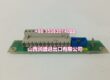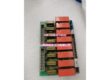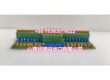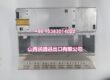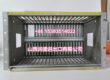
Component Snapshot At-a-Glance
- Model: FBM207
- Alt. P/N: P0914TD, RH914TD, FBM207b, FBM207c
- Product Series: Foxboro I/A Series DCS
- Hardware Type: 16-channel discrete input module
- Key Feature: Per-channel isolation plus adjustable signal debounce settings
- Primary Field Use: Monitors dry contacts and DC voltage status from field devices.
Hard-Numbers: Technical Specifications
- Protocol Support: Redundant 2Mbps I/A proprietary fieldbus
- Port Count: 16 independent discrete input channels
- Data Rate: 2 Mbps fieldbus communication
- Operating Temperature: 0°C to +60°C standard range
- Isolation Rating: 1500V RMS channel-to-channel and channel-to-ground
- Power Draw: 24VDC, 4.5W maximum consumption
- Input Type: Dry contact or 15–60VDC voltage sensing
- Debounce Settings: 4ms, 8ms, 16ms, 32ms or no filtering
- On-State Threshold: 15VDC minimum for logic high, 5VDC maximum for logic low
- Hot Swap: Supported for online rack replacement
The Real-World Problem It Solves
Standard non-isolated discrete input cards pick up electrical noise from nearby motors and VFDs. Unfiltered contact bounce also creates false alarms and unstable status readings on the control screen.
Where you’ll typically find it:
- Power plant racks monitoring valve limit switches and pump run/stop contacts
- Refinery process units collecting safety valve and compressor interlock signals
- Chemical plant panels for emergency stop buttons and cabinet door interlocks
This hardware blocks cross-channel interference and cleans noisy input signals for steady status reporting.
Hardware Architecture & Under-the-Hood Logic
uses dedicated isolation circuits and onboard logic chips. It relies on the rack fieldbus for data transmission and does not host a main control processor.
- Field contact or DC voltage signals enter individual channel protection circuits.
- Optical isolators separate field side circuitry from the module internal bus.
- Configurable RC filters apply selected debounce timing to eliminate contact chatter.
- Logic circuits convert conditioned signals into standard digital data frames.
- Data packets transfer across the backplane via redundant 2Mbps fieldbus to the main controller.
- Module reports open circuit and channel faults to the host system automatically.
Field Service Pitfalls: What Rookies Get Wrong
Mismatched Termination Assemblies
Many technicians pair this module with generic non-isolated terminal blocks. This breaks the 1500V isolation and invites electrical noise into the circuit.
- Field Rule: Use only dedicated isolated terminal assemblies designed for .
Incorrect Debounce Time Configuration
Using the shortest 4ms setting in high vibration areas leads to constant signal flickering. Long 32ms filters can miss fast transient contact changes.
- Quick Fix: Set 16ms or 32ms for vibrating field switches; use 4ms only for stable voltage inputs.
Improper Cable Shield Grounding
Grounding cable shields at both ends creates ground loops across different cabinet potentials. Erratic channel states will appear during plant load changes.
- Field Rule: Connect cable shield to ground only at the FBM rack end; leave field side shield floating.
Commercial Availability & Pricing Note
Please note: The listed price is for reference only and is not binding. Final pricing and terms are subject to negotiation based on current market conditions and availability.