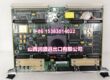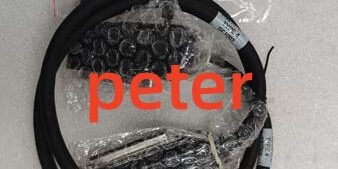
Component Snapshot At-a-Glance
- Model: Foxboro P0916FH
- Alt. P/N: No direct cross part for identical length/type
- Product Series: Foxboro I/A Series, 200 Series FBM Accessories
- Hardware Type: Preassembled Type4 termination cable assembly
- Key Feature: Molded factory connectors at both ends for fast plug-and-play installation
- Primary Field Use: Connects FBM I/O modules to terminal blocks inside DCS control cabinets.
Hard-Numbers: Technical Specifications
- Cable Type: Type4 multi-conductor control cable
- Overall Length: 1 meter
- Connector Configuration: One FBM module plug, one screw terminal header
- Operating Temperature: 0°C to +60°C, non-condensing G3 rated environment
- Isolation Rating: 1500VAC dielectric strength between conductors
- Conductor Gauge: 22 AWG stranded copper
- Jacket Material: Polyurethane + PVC composite
- Voltage Rating: 300V maximum working voltage
- Bend Radius: Minimum 25 mm for permanent routing
- Weight: 0.5 kg per unit
The Real-World Problem It Solves
Field techs spend hours hand crimping and routing individual wires between FBM modules and terminal blocks. Loose splices and miswired conductors create intermittent signal faults and hard-to-troubleshoot loop issues.
Where you’ll typically find it:
- Refinery DCS cabinets housing FBM201, FBM202 and FBM205 analog I/O
- Power plant boiler and turbine control racks with I/A Series hardware
- Chemical process units using HART-enabled 4–20mA instrument loops
This factory-built cable cuts field wiring time and eliminates human error from point-to-point hard wiring.
Hardware Architecture & Under-the-Hood Logic
This is a passive cable assembly with no active components, processors or power regulation. It only routes analog and digital signals between mating hardware.
- Molded male plug locks into the front port of compatible FBM modules.
- Internal color-coded conductors carry analog mA/voltage and HART signals.
- Outer jacket provides abrasion resistance inside crowded cabinet runs.
- Conductors terminate to screw terminals on the header end for field wire landing.
- Consistent pin mapping maintains channel order between module and terminal block.
- Integrated insulation separates signal lines to reduce crosstalk in dense wiring.
Field Service Pitfalls: What Rookies Get Wrong
Exceeding Minimum Bend RadiusTechnicians route the cable around sharp corners or tie it tight with cable ties. Internal conductors fracture over time, leading to open circuits and intermittent signal loss.
- Field Rule: Maintain minimum 25 mm bend radius; do not over-tighten cable ties.
Mixing Up Cable Part Numbers During ReplacementStaff swap with shorter/longer variant cables. Pinout alignment differs, causing reversed channels or total signal loss.
- Quick Fix: Always match the exact part number; verify length and connector style before installation.
Pulling Stress on Molded ConnectorsWorkers yank the cable by the connector housing during removal. Internal pins pull loose from conductors inside the molded shell.
- Field Rule: Grip the plastic connector body firmly when disconnecting; never pull by the cable jacket.
Commercial Availability & Pricing Note
Please note: The listed price is for reference only and is not binding. Final pricing and terms are subject to negotiation based on current market conditions and availability.