Component Snapshot At-a-Glance
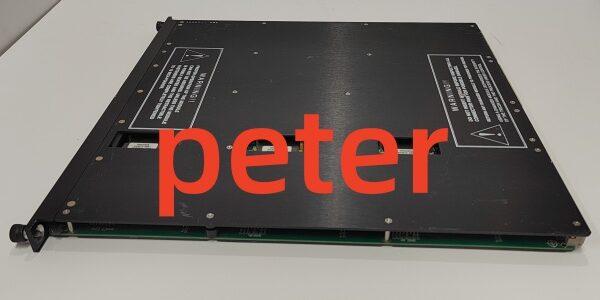
- Model: Triconex 3002
- Alt. P/N: 3002-1 (revision variant)
- Product Series: Tricon / Trident SIS Platform
- Hardware Type: 32-channel TMR digital input module
- Key Feature: 500VDC channel-to-chassis isolation, per-channel debounce
- Primary Field Use: Monitoring 24VDC discrete devices (switches, ESD buttons, relays) in SIL3 ESD, F&G, and BMS loops.
Hard-Numbers: Technical Specifications
- Channel Count: 32 independent input channels
- Input Voltage: 24VDC nominal (11–30VDC tolerance)
- Signal Type: Dry contact or solid-state (NPN/PNP compatible)
- Isolation Rating: 500VDC channel-to-chassis
- Debounce Time: Programmable 1–500ms
- Power Draw: 4W max from Tricon backplane
- Operating Temperature: -40°C to +70°C
- Form Factor: Single-slot Tricon chassis, conformal coated
- Hot-Swap: Enabled for online replacement
- Certifications: SIL3, ATEX, CSA
- Dimensions: 177mm H × 48mm W × 203mm D
The Real-World Problem It Solves
Unisolated digital inputs let common-mode noise and ground potentials corrupt readings. This causes false alarms and missed ESD events in safety loops.Where you’ll typically find it:
- Refinery ESD racks for emergency stop and shutdown switch monitoring
- Offshore F&G panels for flame, gas, and smoke detector contact inputs
- Power plant BMS for burner trip and purge permissive contactsThis TMR input module filters noise, isolates field circuits, and votes out single-channel faults without downtime.
Hardware Architecture & Under-the-Hood Logic
This is a triple-modular redundant (TMR) input card with three independent processing lanes voting on every input state. No onboard microprocessor; logic handled by the Tricon backplane.
- Field 24VDC/dry contact signals enter per-channel surge suppression.
- Signals pass through 500VDC isolation barrier to break ground loops.
- Optocouplers convert field levels to TTL logic for each of the 32 channels.
- Three redundant lanes sample each channel; voter logic selects majority state.
- Faults (open/short) reported back to TriStation; module remains online if one lane fails.
Field Service Pitfalls: What Rookies Get Wrong
Incorrect Debounce SettingsTechs leave debounce at default 1ms. Contact bounce from mechanical switches causes intermittent state flips and false diagnostics.
- Field Rule: Set debounce 20–50ms for mechanical contacts; 1–5ms for solid-state sensors.
Grounding Field and System TogetherWorkers tie field cable drain wire to SIS chassis ground. This defeats 500V isolation and introduces ground loop noise.
- Quick Fix: Ground shield only at field end; isolate at module termination.
Overlooking Per-Channel FaultsPersonnel reset faults without checking wiring. Persistent shorts burn optocouplers and cause channel dropout.
- Field Rule: Any channel fault = inspect wiring/contact resistance before reset.
Commercial Availability & Pricing Note
Please note: The listed price is for reference only and is not binding. Final pricing and terms are subject to negotiation based on current market conditions and availability.