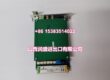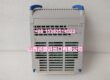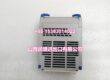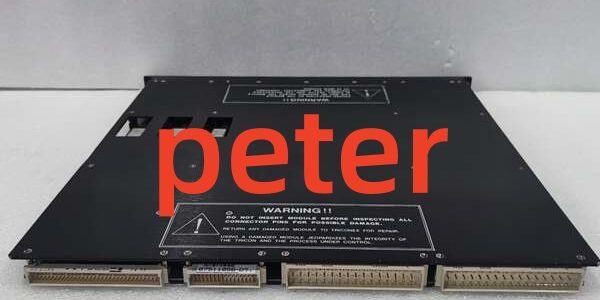
Component Snapshot At-a-Glance
- Model: 8106
- Alt. P/N: No cross substitute; factory-only blank filler, cannot replace populated I/O card variants
- Product Series: Triconex Tricon V9/V10/V11 SIL3 TMR SIS chassis accessory family
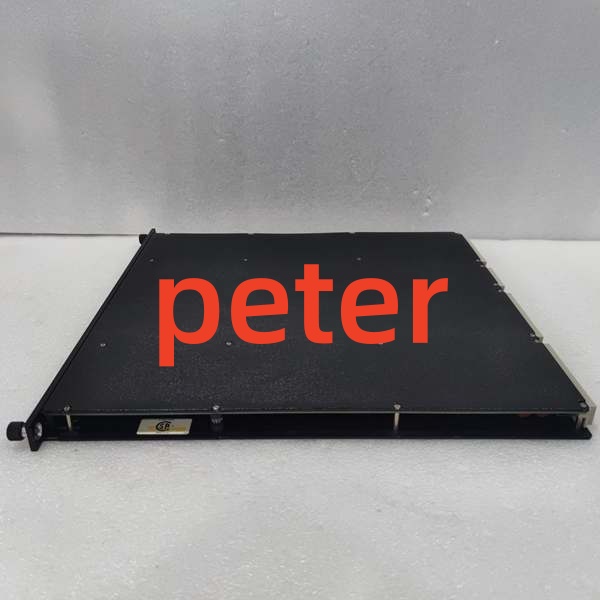
- Hardware Type: Rack slot blank filler module (passive non-circuit chassis blocking card)
- Key Feature: Integrated metal shielding + precision chassis airflow baffle for unused rack slots
- Primary Field Use: Blocks empty I/O rack slots to stabilize cabinet airflow and suppress cross-slot EMI leakage in active SIS mainframes
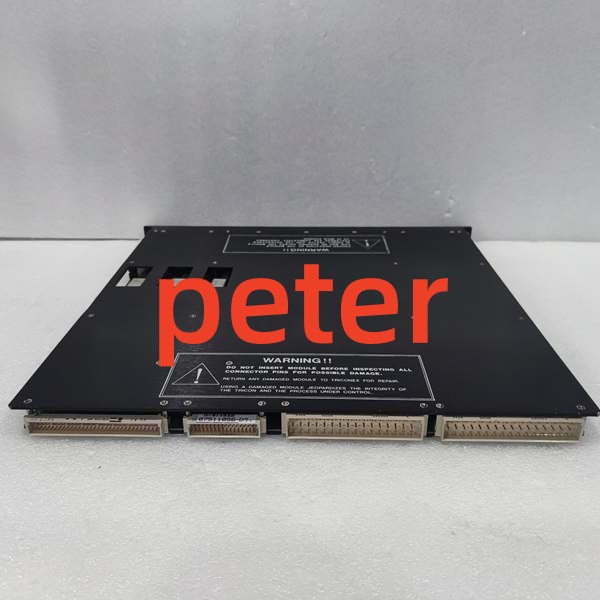
TRICONEX 3501E
Hard-Numbers: Technical Specifications
- Form Factor: Standard Tricon single-width I/O card footprint, matches all 3000/3500/3600 series I/O mechanical dimensions
- Physical Size: 263mm × 58mm × 28mm single slot enclosure
- Module Weight: 0.43kg per individual filler unit
- Operating Temperature: -40℃ ~ +70℃ continuous cabinet ambient; -45℃~+85℃ storage rating
- EMI Shield Rating: Full steel front bezel, attenuates >32dB high-frequency cabinet stray electrical noise
- Backplane Contact: No active PCB circuits; isolated plastic edge pin cover blocks unused backplane gold contacts
- Hot-Swap Compatibility: Live rack insertion/removal without disrupting powered backplane or running SIS logic
- Certification: Compliant IEC61508 SIL3 cabinet mechanical layout requirement, UL Class I Div2 hazardous location qualified
The Real-World Problem It Solves
Open empty chassis slots break engineered cabinet cooling airflow patterns, creating localized hot spots that accelerate electrolytic capacitor wear on adjacent populated I/O modules. Uncovered backplane slots let stray VFD and motor EMI leak between rack cards, triggering sporadic random channel dropout on nearby DI/DO boards during high-load process transients.
Where you’ll typically find it:
- Refinery HIPPS SIS main racks after partial spare I/O card removal during turnaround maintenance
- Coal-fired power boiler BMS cabinets with staged future I/O expansion slots left unpopulated
- Offshore FPSO safety control racks holding reserved empty slots for future field instrumentation additions
Installed filler eliminates unplanned thermal drift and slot-borne EMI to extend adjacent I/O module MTBF across critical safety rack assemblies.
Hardware Architecture & Under-the-Hood Logic
Zero onboard electronics or processing components; fully passive mechanical assembly built around cold-rolled steel shielding shell and molded ABS backplane pin insulator, no internal wiring or semiconductor parts.
- Front steel panel closes rack front cutout to block unregulated cabinet intake/exhaust air from bypassing planned cooling duct paths.
- Rear molded plastic insert fully caps unused backplane gold contact pins, stops dust, condensation and conductive cabinet grime from bridging unused bus traces.
- Internal ribbed baffles align with chassis internal air plenum to redirect forced cabinet airflow through populated I/O card heat sinks.
- Side clip latching tabs lock into standard Tricon rack card guides for tool-free snap-in mounting matching live I/O retention geometry.
- Embedded rubber perimeter gaskets seal minor slot edge gaps to cut radiated EMI cross-talk between neighboring working modules.
TRICONEX 3501E
Field Service Pitfalls: What Rookies Get Wrong
Leaving empty slots uncovered instead of fitting 8106 fillers post-card removalNew maintenance tech pulls spare I/O modules and leaves bare rack slots open; uneven cabinet airflow raises adjacent card core temperature 8–12℃ above design rating, leading to premature intermittent thermal faults in summer warm control rooms.
- Field Rule: Install one 8106 immediately after any I/O card permanent removal; no bare slots allowed on energized SIS racks.
Using cut plastic scrap or blank PCB as makeshift slot filler in place of genuine 8106Field crew fabricates homemade slot covers from leftover circuit board scrap; non-shielded substitute fails to block EMI, causing unexplained Modbus communication flicker on nearby NCM cards.
- Quick Fix: Discard makeshift covers; stock minimum 5×8106 per SIS cabinet for immediate slot replacement needs.
Improper forced insertion bending rack internal card guide rails during filler installationTechnician applies excessive downward force to seat 8106, warps thin chassis slot guides; bent rails prevent future valid I/O card full seating and create intermittent backplane contact faults.
- Field Rule: Align top/bottom card guides first then push straight inward; stop seating if filler binds against rack rails.
Commercial Availability & Pricing Note
Please note: The listed price is for reference only and is not binding. Final pricing and terms are subject to negotiation based on current market conditions and availability.